








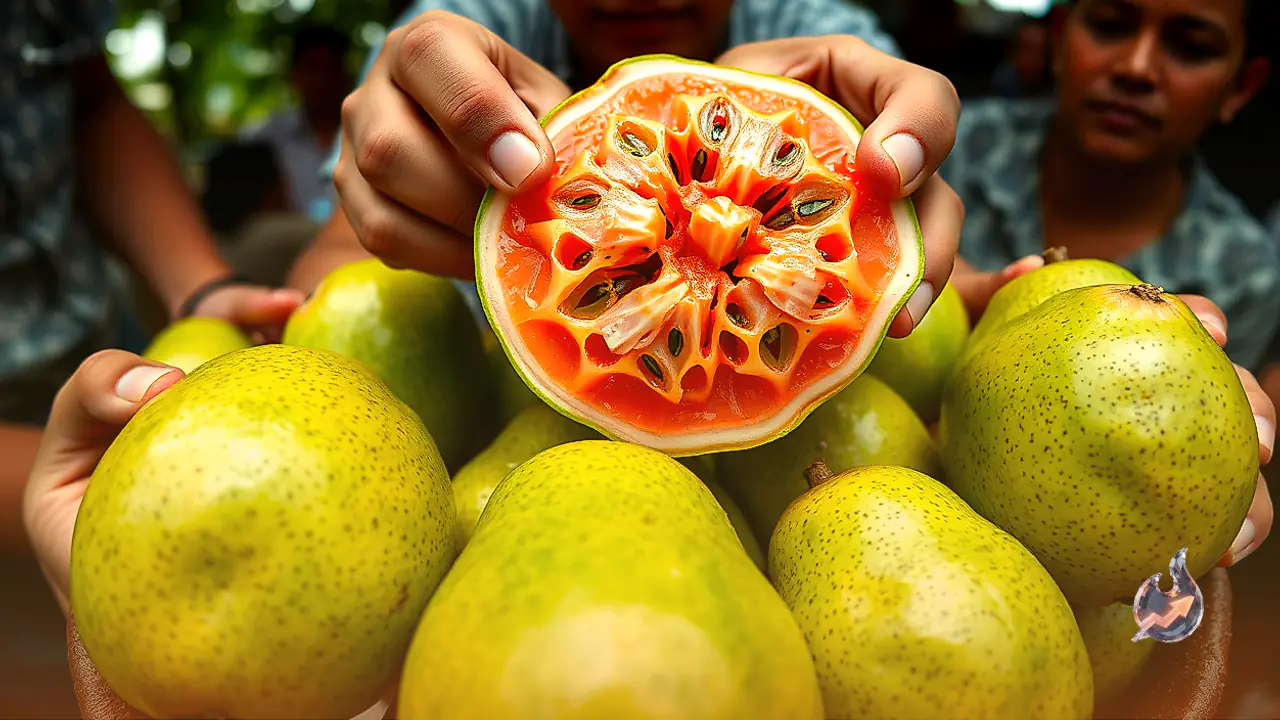














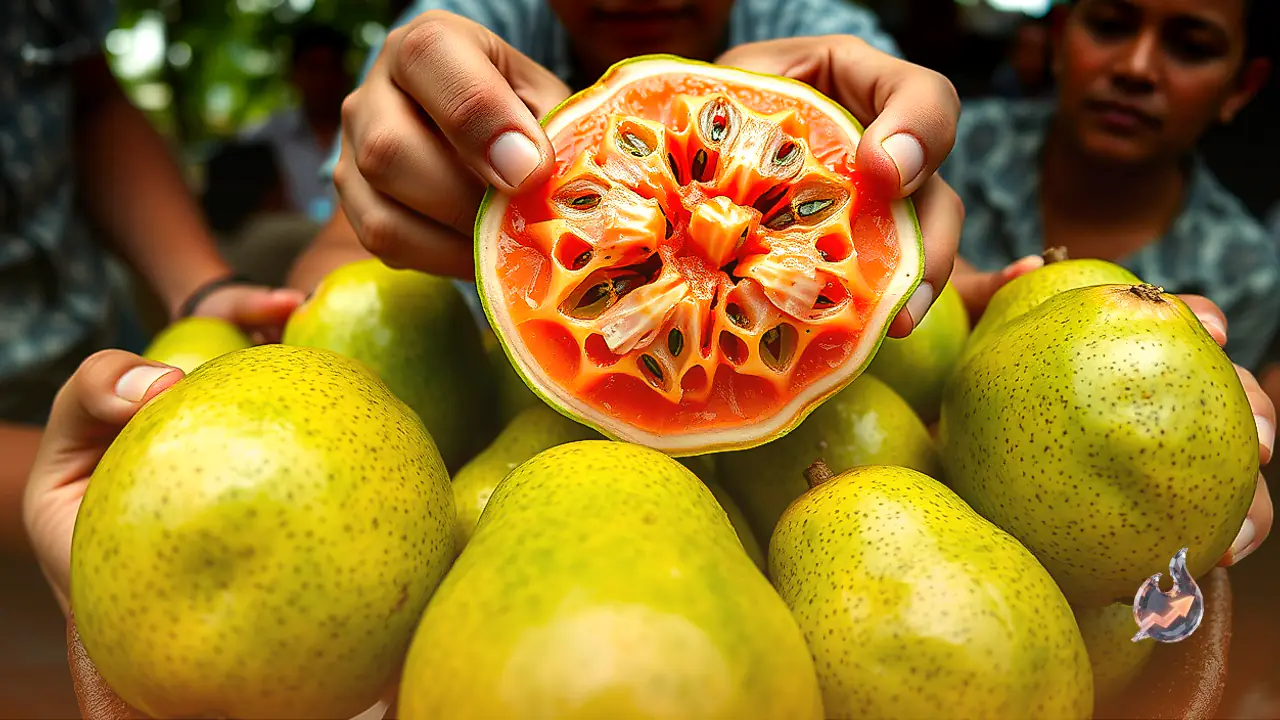

Guava is frequently recommended as a smart dietary fruit choice, particularly for individuals striving to maintain stable blood glucose levels. Its low glycemic index ensures that sugar does not surge rapidly into the bloodstream after consumption. Additionally, the fruit is naturally loaded with dietary fibre and potassium, making it an effective ally in regulating bad cholesterol. However, getting the maximum nutritional benefit depends heavily on how the fruit is prepared and consumed. Nutritionist and weight loss coach Leema Mahajan notes that despite its proven advantages for diabetes and cholesterol management, improper consumption habits can inadvertently trigger negative metabolic results.
The Drawbacks of Eating Ripe Guava With Its Skin
Consuming fully ripened guava with the outer skin intact is generally discouraged for individuals watching their metabolic markers. As the fruit reaches complete maturity, the chemical composition of the rind undergoes a noticeable shift. During this ripening phase, magnesium levels in the skin diminish, while the concentration of natural sugars increases significantly.
According to Leema Mahajan, a six-week study demonstrated that participants who ate ripe guava without peeling it experienced an increase in their fasting blood sugar, bad cholesterol, and triglycerides. In sharp contrast, the test group that carefully peeled the ripe guava before eating saw a measurable decrease across all three health parameters, confirming that the outer peel of a mature fruit directly impacts blood lipid and glucose profiles.
The Ideal Way to Consume Guava for Metabolic Health
For those living with diabetes or dealing with elevated bad cholesterol, making minor adjustments to fruit preparation is crucial. A highly effective approach is to introduce slightly raw, firm guavas into the daily diet. Raw guavas naturally possess lower sugar concentrations and retain a crisp texture that supports balanced digestion.
Whenever a person chooses to enjoy a soft, fully ripened guava instead, peeling away the entire exterior skin prior to eating is strongly recommended. Discarding the outer layer eliminates the higher concentration of sugars present in mature rinds, allowing the body to absorb the vital nutrients found in the inner pulp without causing unnecessary spikes in fasting blood sugar or lipid levels.
Broad Health Advantages Provided by Guava
The wellness benefits of guava extend far beyond glycemic control, positively influencing overall physical vitality. Thanks to its rich dietary fibre content, the fruit promotes smooth gastrointestinal function, offering noticeable relief from bloating and chronic constipation.
Furthermore, guava serves as a potent storehouse of antioxidants and vitamin C, vital elements that stimulate immune defences and safeguard cellular structures against oxidative damage. The high concentration of vitamin C also plays an active role in collagen synthesis, which keeps skin healthy and resilient. In addition, the potassium present in the fruit assists in regulating blood pressure, which in turn helps control bad cholesterol and protects long-term cardiovascular health.