






















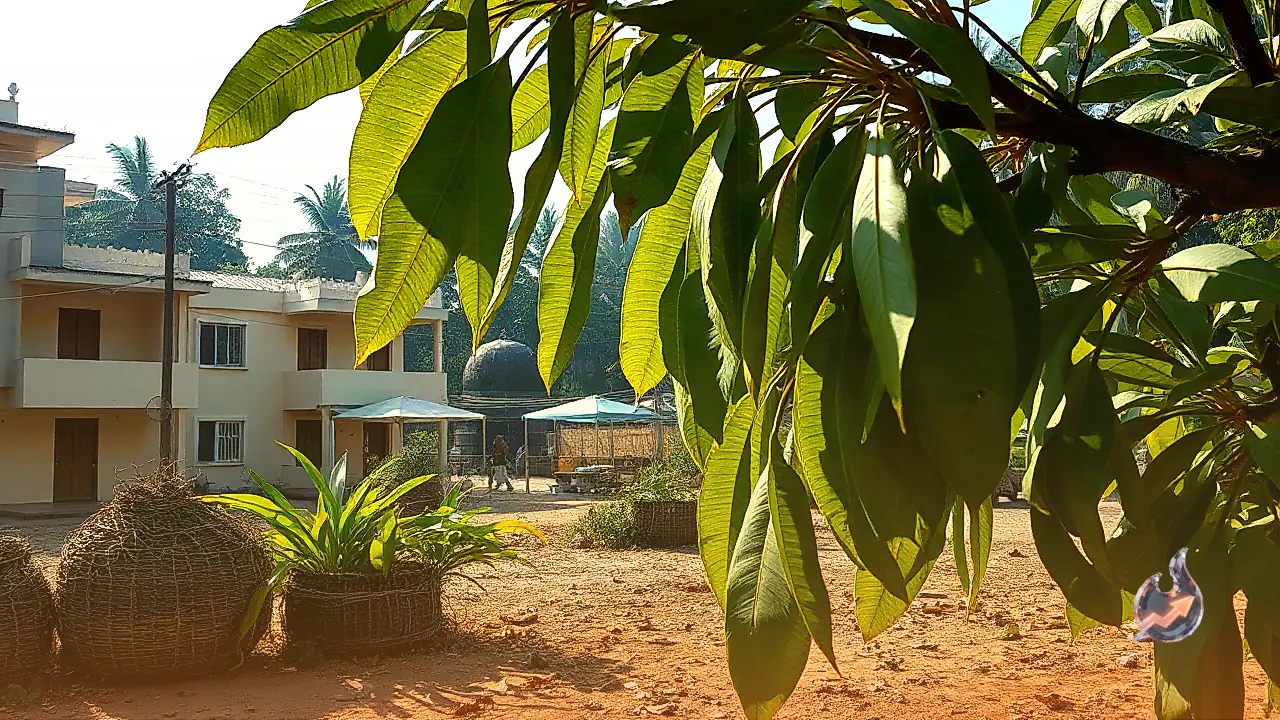

In Indian households, hanging a ceremonial fringe or toran of fresh mango leaves across main entryways during festivals, housewarming rituals, and auspicious occasions is a long-standing tradition. In places like Palamu and across the broader region, these vibrant green leaves symbolize positive energy and sacred beginnings. However, once ceremonies conclude, the foliage is frequently discarded as waste. According to Ayurveda expert Shiv Kumar Pandey, mango leaves possess value far beyond religious symbolism, offering practical applications in traditional wellness, natural skin care, and home gardening. Rich in powerful antioxidants and bioactive compounds, the leaves can provide natural support for digestive health, skin protection, and soil enrichment.
Beyond Door Decorations: The Medicinal and Practical Value of Mango Leaves
While mango leaves are culturally revered as symbols of prosperity, botanical and Ayurvedic traditions recognize them for their therapeutic potential. The leaves contain biologically active compounds that assist in safeguarding body cells from oxidative stress caused by free radicals. Historically, traditional communities have relied on leaf extracts and herbal decoctions to manage mild physical discomforts. Today, understanding how to incorporate these leaves into daily domestic routines allows households to utilize an easily available botanical resource effectively.
Homemade Face Pack Formulations and Vital Safety Precautions
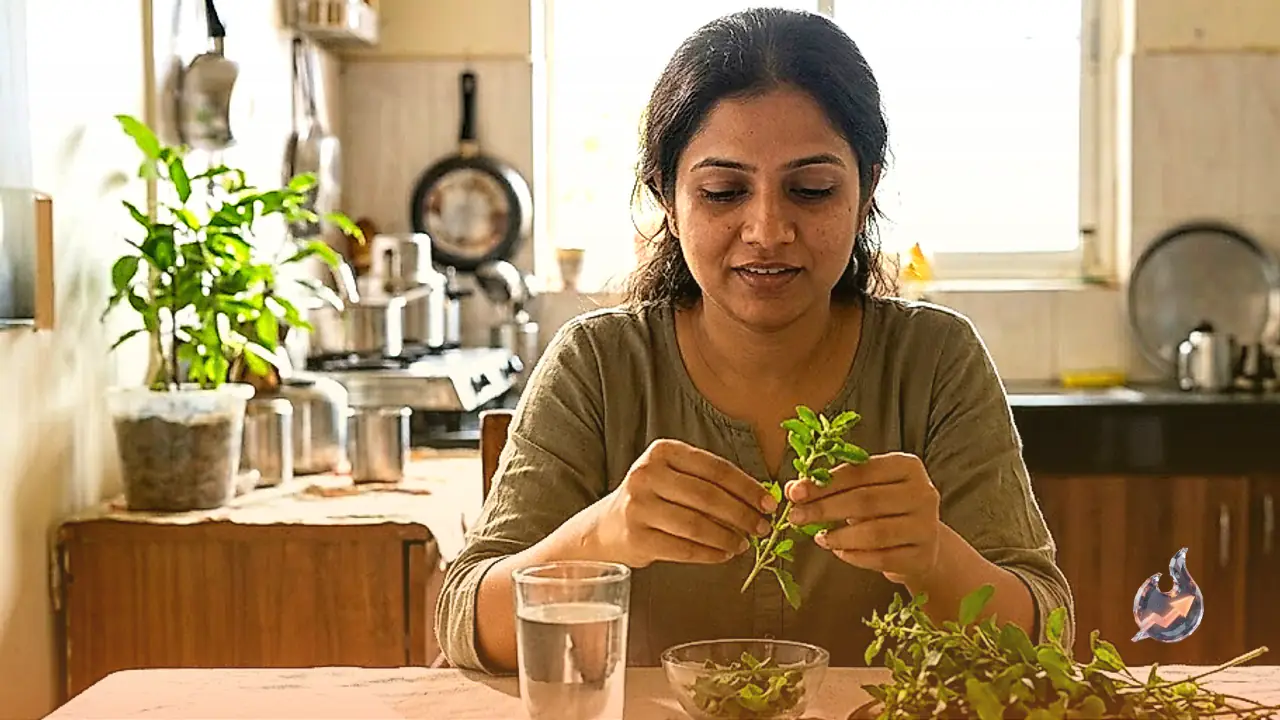
In traditional beauty practices, mango leaves are utilized as a natural skin remedy. The antioxidants within the leaves are believed to protect the skin barrier against environmental stressors and support a clearer complexion. A popular home recipe involves blending five fresh mango leaves, one fresh rose flower, and a small quantity of lemon juice in a mixer to create a smooth, fine paste. This natural mixture is gently applied to the skin and rinsed thoroughly with clean water after a short duration.
Despite its popularity, users must follow essential safety guidelines when using this homemade formulation. Because lemon juice contains citric acid that can trigger irritation or burning sensations on sensitive skin, performing a patch test on the arm or neck prior to full facial application is crucial. Furthermore, the mixture should never be applied near the delicate skin surrounding the eyes. Shiv Kumar Pandey notes that while many people attempt this remedy for acne and blemishes, there is currently no conclusive scientific evidence proving that mango leaf paste permanently cures acne or reverses skin aging. For persistent skin conditions, consulting a qualified dermatologist remains the safest approach.
Digestive Health Support, Mangiferin Compound, and Metabolism Insights
Traditional herbal systems have long recommended decoctions made from boiled mango leaves to alleviate digestive discomfort. Beyond herbal lore, modern scientific investigations have highlighted the presence of mangiferin, a primary bioactive compound in mango foliage. Early research indicates that mangiferin may influence metabolic pathways and weight management favorably. However, health experts emphasize that these preliminary findings do not qualify mango leaf preparations as a certified or primary treatment for weight loss.
Hair Protection and Transforming Fallen Foliage into Garden Compost
The antioxidant properties found in mango leaves extend their protective benefits to hair care as well, helping defend hair follicles and strands against oxidative stress. Beyond topical and internal wellness, mango leaves play a valuable role in sustainable gardening practices. Rather than throwing away dry, fallen leaves post-rituals or seasonal shedding, homeowners can add them to a backyard compost bin. Over time, the decomposing leaves transform into nutrient-dense organic manure that enriches garden soil, enhancing its moisture retention and overall fertility.