



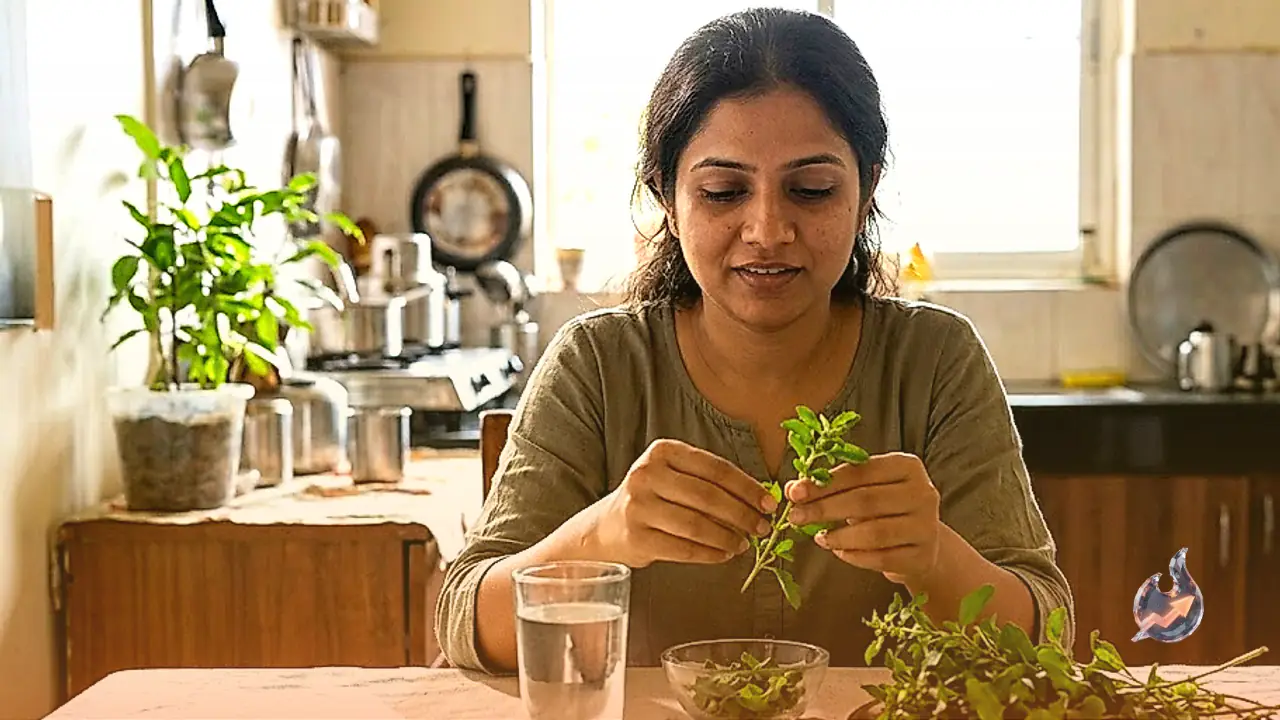



















The tulsi plant is a common household fixture across India, widely worshipped and traditionally used in preparing teas, herbal decoctions, and warm water infusions.
Tradition Versus Science
Many households follow a strict custom of avoiding direct chewing of basil leaves, often driven by religious beliefs. However, the claim that chewing these leaves directly harms dental health should not be treated as a fully established scientific fact.
Expert Guidance On Consumption
According to AYUSH medical officer Dr. Mohammad Iqbal, tulsi has historically served as a vital medicinal plant. He suggested that instead of chewing the leaves directly, people should consume them alongside water, noting that the exact intake method and dosage should depend on an individual's health condition.
Hygiene And Preparation
Before putting basil leaves to use, individuals must thoroughly inspect them for any accumulated dust, dirt, or insects. Damaged, rotting, or decayed leaves must be discarded, and only clean, healthy leaves should be utilized after washing them thoroughly with water.
Proper Usage And Limits
Cleaned basil leaves can be added to herbal teas, decoctions, or lukewarm water mixtures. At the same time, people should avoid consuming excessive amounts of tulsi, and home remedies should never be treated as a direct substitute for proper medical treatment of illnesses.
Consulting A Professional
Every person's physiological condition is unique and varies from others. Anyone currently taking medication for an ongoing condition or planning to start consuming tulsi regularly should first consult a qualified physician.