
























Whenever mosquito activity surges inside living spaces, households frequently turn to traditional natural solutions that have been handed down through generations. Across rural communities, smoldering dried neem foliage or using citrus items such as lemon remains a routine habit. Slices of lemon are commonly positioned around corners of rooms or spots where flying insects gather most heavily. The pungent citrus aroma does assist in repelling certain pests temporarily. Nonetheless, that natural scent does not guarantee identical results against every variety of insect or across diverse indoor layouts. Medical practitioners advise viewing these remedies strictly as secondary home experiments rather than frontline mechanisms for pest eradication.
Health Hazards Tied to Neem and Cow Dung Smoke
Generating heavy smoke by igniting dry neem leaves or dried cow dung cakes is a widespread practice in village settings aimed at chasing pests away. While dense smoke certainly dampens flying mosquito movement for a short window, it introduces distinct respiratory hazards for indoor residents. Sitting inside an enclosed room while smoke is actively accumulating is hazardous. In particular, infants, older adults, and individuals with preexisting asthma or respiratory conditions must be kept completely away from such fumes.
Burning materials release particulate matter that directly irritates eyes and inflames the delicate respiratory tract. Before anyone re-enters a treated space, all doors and windows should be thrown open to guarantee thorough air circulation and ventilation. Furthermore, handling burning embers indoors demands strict fire safety discipline, ensuring that infants and small children stay far away from open flames and smoldering residues.
Limits of Traditional Hacks Against Severe Illnesses
Dr. Yogesh Sharma from Khandwa notes that the single most vital defense against mosquitoes is sustaining rigorous sanitation around living quarters and eliminating breeding hotspots. Fleeting fumes or pleasant kitchen aromatics do not offer a guaranteed shield against hazardous illnesses like dengue, malaria, and chikungunya. Safeguarding an entire household hinges entirely on bringing down the total insect density and systematically choking off their life cycle.
Relying exclusively on ancestral remedies often fosters a false sense of security, delaying necessary environmental interventions. Without dismantling the physical grounds where insects multiply, no amount of aromatic plants or localized burning will curb transmission risks over the long run.
Eliminating Stagnant Water and Upkeep Practices
The definitive method to arrest mosquito growth involves draining standing pools of water, since even a tiny volume of undisturbed liquid provides adequate conditions for egg-laying and larval growth. Homeowners must routinely inspect, scrub, and drain evaporative desert coolers, potted plant trays, discarded rubber tires, open buckets, plastic canisters, and assorted clutter stashed on rooftops.
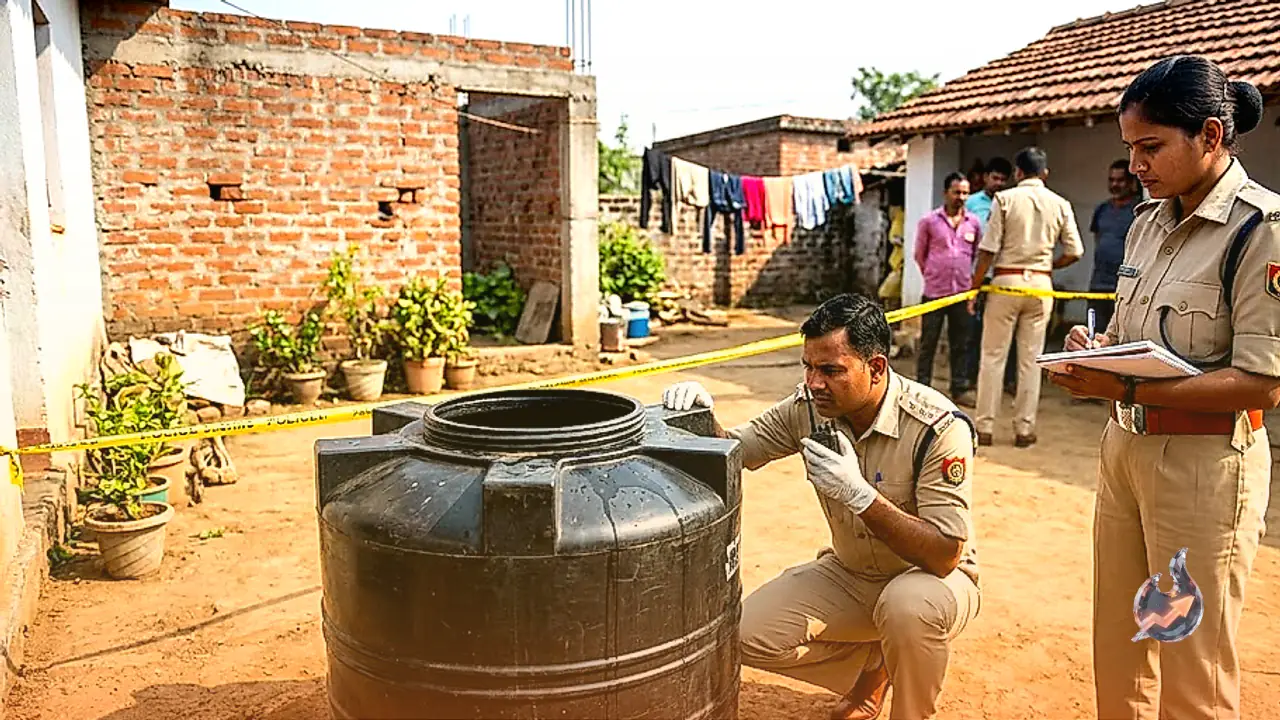
Storage reservoirs and overhead water tanks must remain tightly sealed with fitted lids at all times. Evaporative cooling reservoirs require frequent emptying and freshwater replacement. Whenever pooled water is spotted in exterior courtyards, lanes, or open drains, it must be cleared promptly, depriving adult females of stagnant surfaces required to propagate.
Nets, Screens, and Certified Control Measures
In neighborhoods facing intense infestations, combining structural barriers with certified defensive items yields the best results. Installing fine mesh wire on windows and primary entrance doors creates a solid barrier that keeps insects outdoors. Sleeping under traditional fabric bed nets provides unmatched, chemical-free security throughout the night.
Homeowners can supplement these measures with retail electric repellent devices or certified commercial mosquito control formulations where appropriate. When heading outdoors during peak feeding hours, donning full-sleeved shirts and long trousers minimizes exposed skin, drastically lowering the odds of painful bites. Domestic folk remedies can accompany these habits, but genuine health security demands rigorous sanitation, prompt stagnant liquid removal, and dependable physical defenses.