



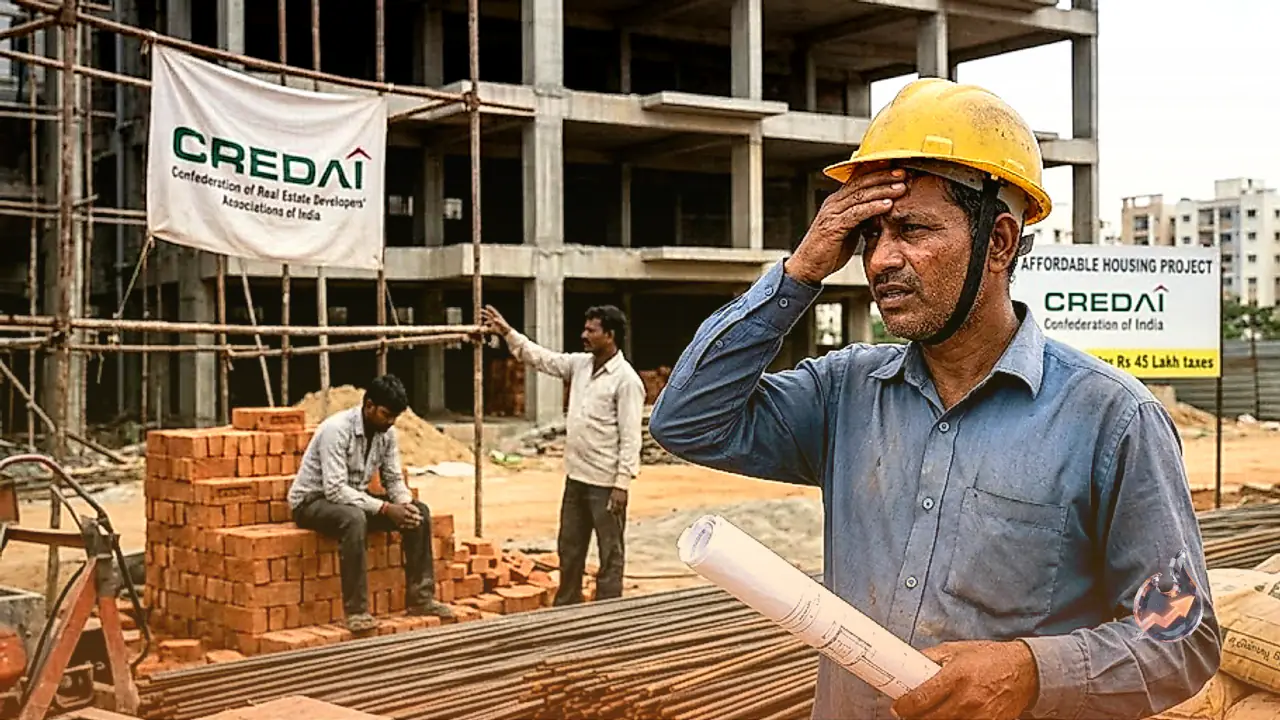



















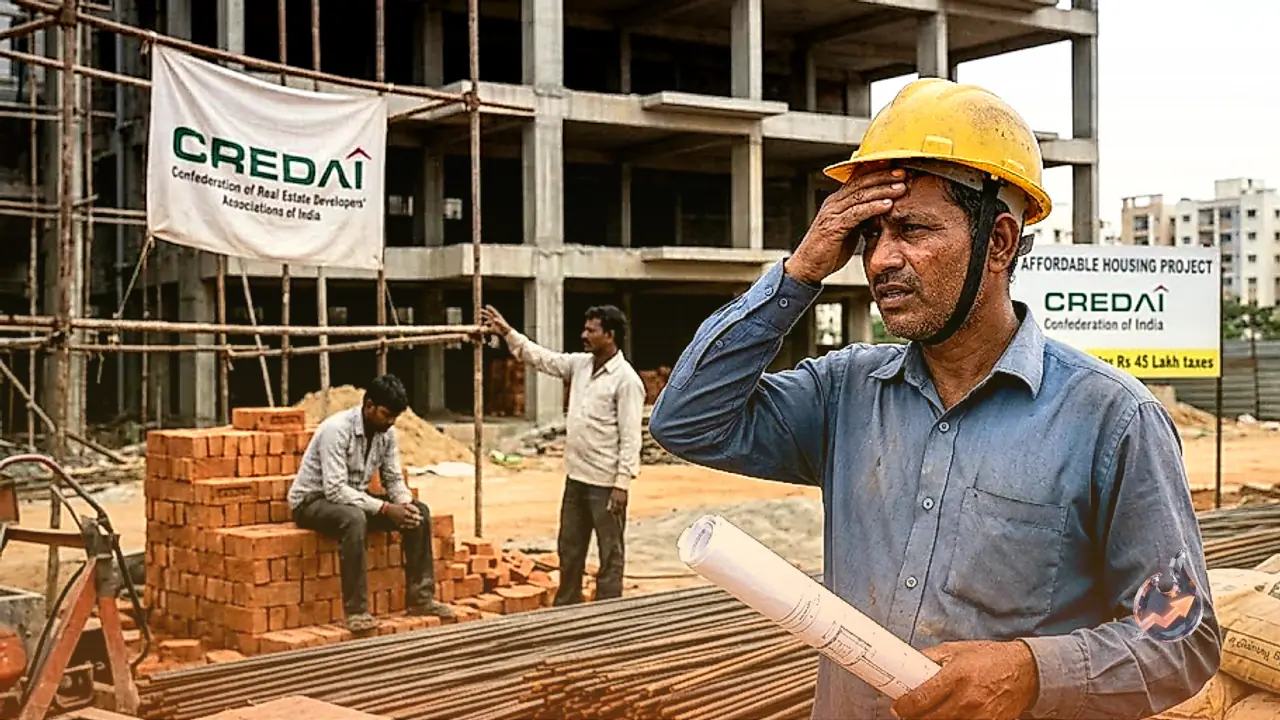

Escalating construction expenses, expensive land parcels, and severe tax obligations have turned the delivery of budget-friendly homes into a formidable challenge for builders across the country. Addressing the structural hurdles in the real estate sector, Shekhar Patel, president of the apex industry body CREDAI, pointed out that providing budget homes under the existing regulatory framework is no longer practical. At present, the government caps the price of an affordable home at Rs 45 lakh, a ceiling that has become unrealistic under prevailing inflationary conditions, leaving developers with virtually no margin to deliver units within this limit.
Land Prices, Raw Materials, and Tax Burdens Stifle Development
A combination of domestic price pressures and international economic volatility has sharply increased overall project expenses. Developers face immense difficulty due to soaring land acquisition costs, elevated prices for core construction materials, and extensive tax burdens across various tiers of administration. Currently, builders pay between 30 percent and 50 percent of the total property sales value in taxes distributed across the central government, state administrations, and local municipal corporations. Such substantial fiscal outflows leave little room to absorb rising material costs while keeping property prices constrained within the affordable bracket.
Proposed Redefinition Based Strictly on Carpet Area
To pull the segment out of this stagnation, CREDAI has urged authorities to completely do away with the Rs 45 lakh financial cap. The association recommends that affordable housing should instead be identified solely through size parameters: units measuring up to 60 square meters in metropolitan regions and up to 90 square meters in non-metro locations, irrespective of their price tag. Patel expressed serious concern over the fact that affordable housing now accounts for just 14 percent of total residential sales, a sharp contraction caused primarily by high taxes and inflation. He emphasized that lowering tax incidence on dedicated budget housing schemes remains crucial to reviving market activity.
Policy Engagements, Interest Rate Risks, and AI Adoption
The industry body remains in active discussions with the government to address these structural bottlenecks, expressing optimism that policy interventions will be rolled out over the next six months to revitalize both demand and supply in the affordable segment. Financial variables also loom large, with Patel noting that any potential repo rate hike by the Reserve Bank of India in its upcoming Monetary Policy Committee meeting would exert notable pressure on the real estate market. On technological transitions, he dismissed concerns that Artificial Intelligence adoption would displace jobs, explaining that developers are leveraging AI purely to streamline operational efficiency, while housing demand is projected to strengthen further heading into the festive period.