







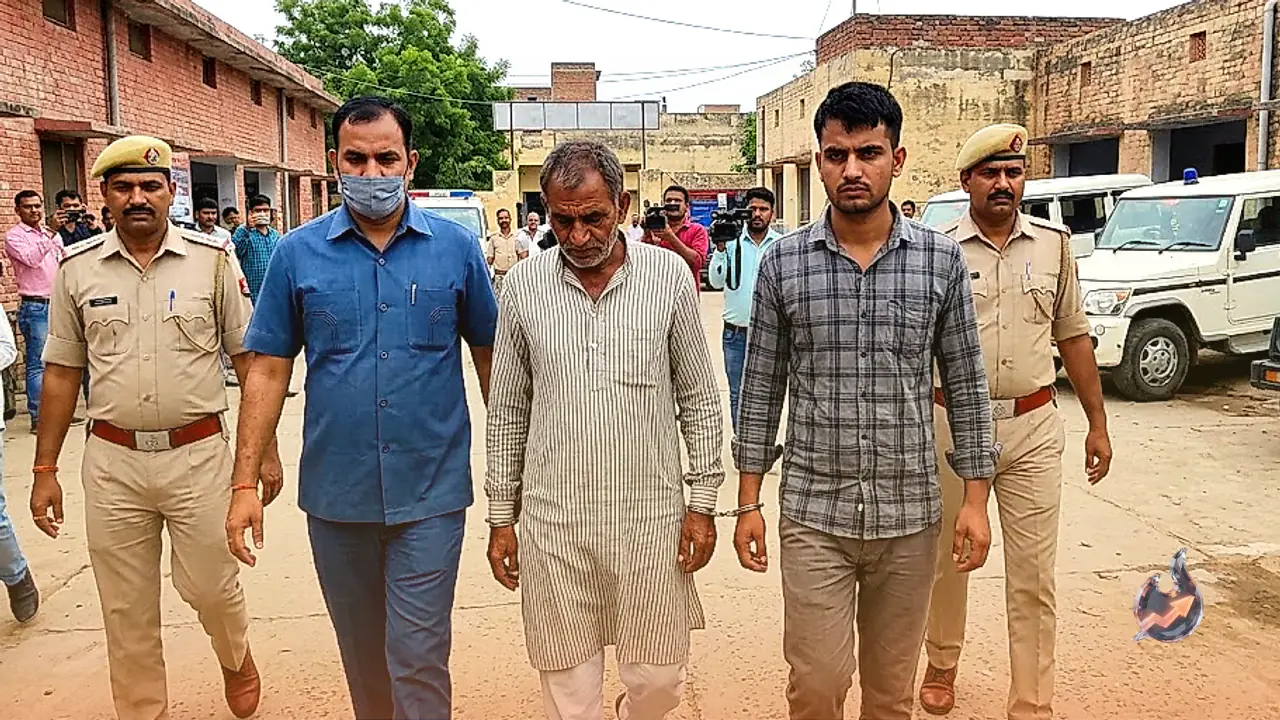
















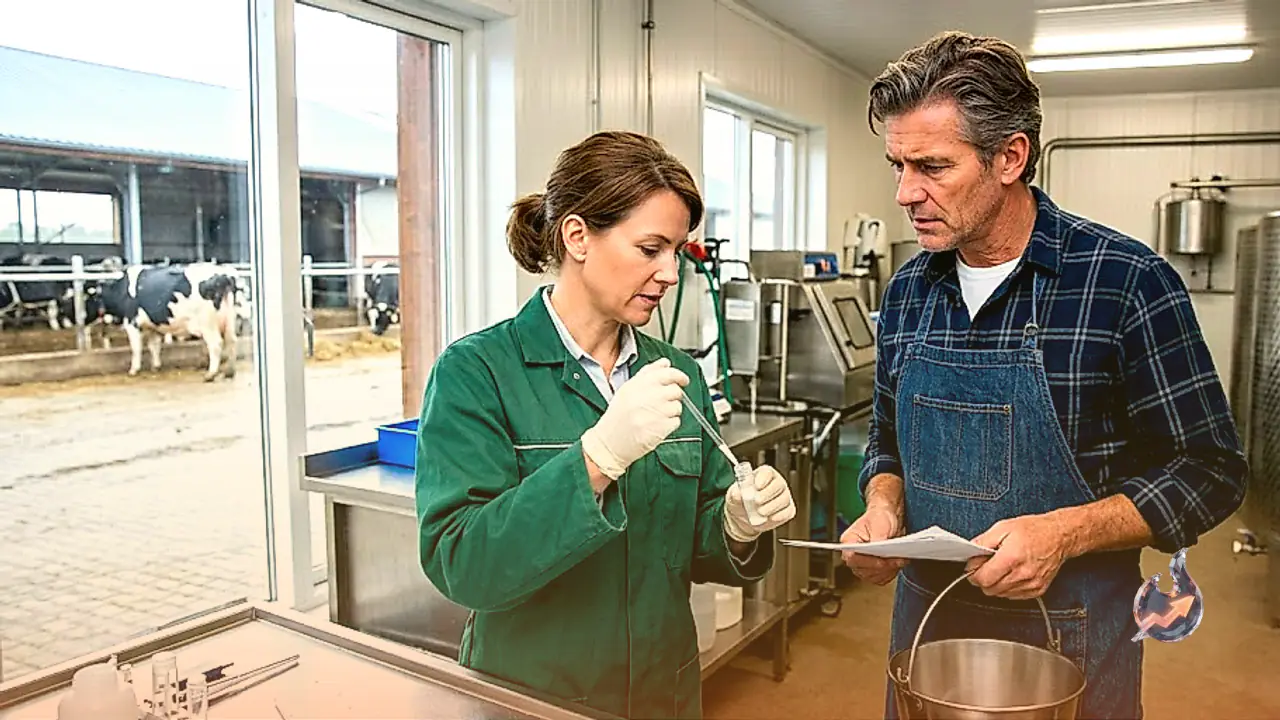

For dairy farmers and individuals who work in close proximity to livestock, daily routines involve close interaction with animals. However, this close relationship also brings significant biological risks that are often overlooked. One such threat is Brucellosis, a serious zoonotic bacterial disease that can seamlessly jump from infected livestock to humans. Because the symptoms in animals can initially be subtle or go completely unnoticed, animal keepers might remain unaware of the danger, leading to accidental transmission and severe long-term health complications for humans who come into contact with them.
The danger is exceptionally high for individuals who manage and care for domestic animals like cows, buffaloes, and goats. According to veterinary specialists, the risk of contracting this bacterial infection escalates dramatically when a female animal suffers an abortion or experiences complications during delivery. The placenta and the bodily discharges released during these events are highly contagious. If an animal handler has any open wounds, minor cuts, or abrasions on their hands or body, the bacteria can easily infiltrate their system. Additionally, touching the eyes with contaminated hands provides a direct pathway for the pathogen to enter the human body.
The Critical Warning Signs of Brucellosis in Animals
One of the most telling indicators of Brucellosis in livestock is reproductive failure, particularly miscarriages or difficulties in breeding. When an animal suffers a miscarriage, dairy farmers often attempt to clean up the workspace, including the placenta and vaginal fluids, using their bare hands. Treating these materials as ordinary waste and handling them without proper protection is a major safety hazard. Veterinary experts emphasize that livestock keepers must avoid touching any such potentially infectious material without protective gear and should immediately call a professional veterinarian to manage the situation safely.
How Brucellosis Affects Human Health
Once the bacteria successfully cross over and infect a human host, they can cause a range of debilitating physical symptoms. Patients typically experience high fever, extreme exhaustion, chronic headaches, along with persistent pain in the muscles and joints. In several documented medical cases, the fever can fluctuate and persist over a very long duration, making it hard to recover. Dr. Shailendra Gupta, a General Medicine Specialist at the Karauli MCH Hospital, explains that Brucellosis is an infectious disease caused by the Brucella genus of bacteria. While it primarily resides in livestock populations, humans become accidental hosts when they interact with infected animals or consume their raw, contaminated products.
Preventive Strategies and Safety Rules for Animal Handlers
Beyond physical contact, dietary habits also play a significant role in spreading this disease. Health experts warn that consuming raw, unpasteurized milk or eating dairy products made from untreated milk of infected animals carries a substantial risk of Brucellosis. To mitigate this hazard, dairy farmers and consumers must always ensure that milk is boiled thoroughly before it is consumed. If there is any suspicion regarding the health of a specific animal, its milk and other products should be withheld, and a veterinarian must be consulted for a formal evaluation.
Reiterating these concerns, senior veterinarian Dr. Brahm Pandey points out that the placenta and fluids discharged after an animal’s miscarriage are potent reservoirs of the infection. If a farmer has even a tiny scratch on their skin and makes contact with these materials, the likelihood of transmission increases. To ensure personal safety, livestock handlers should cultivate the habit of never touching reproductive discharges or tissues without protective barriers like heavy-duty gloves and sanitizing their equipment regularly.


