























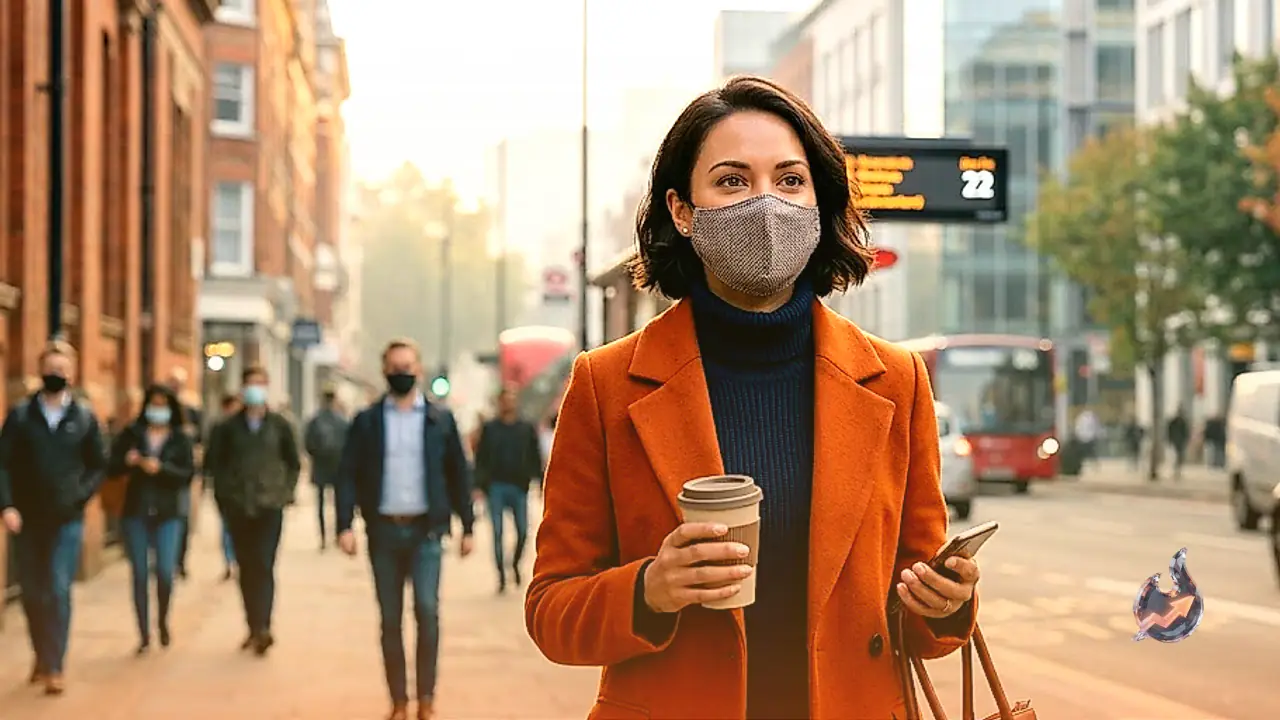

With the final days of September setting in, the atmosphere across the national capital has begun exhibiting clear indications of rising pollution and thick haze. Across the preceding two days, the Air Quality Index has touched nearly 224, serving an early warning for the upcoming colder months. The deteriorating atmospheric conditions coincide with World Lung Day on September 25, drawing urgent focus toward respiratory well-being. The escalating toxicity in the air is raising significant medical concerns regarding respiratory damage among local residents.
The Predictable Autumn And Winter Spikes
Atmospheric pollution in the capital historically intensifies every year between September and January. Throughout this extended duration, the Air Quality Index frequently deteriorates to severe tiers between 400 and 500. Offering medical insight into the situation, Dr. Divyendu Sharma, consultant in the department of pulmonology (pulmonary medicine) at Yatharth Hospital in Model Town, Delhi, alongside Dr. Arunachalam M, senior consultant in pulmonology at Yatharth Hospital, Noida, detailed the impending risks. They noted that September AQI figures are already lingering between 224 and 230. Even at this early juncture, such contamination poses real physiological harm. The impact is especially pronounced on individuals living with pre-existing pulmonary disorders. Patients managing asthma, tuberculosis, and chronic obstructive pulmonary disease (COPD) must begin adopting stringent protective measures immediately.
High Risks For Younger And Elderly Demographics
Dr. Divyendu Sharma emphasized that degraded atmospheric quality inflicts greater adverse effects on children and senior citizens. Both groups exhibit heightened vulnerability, requiring dedicated safeguards during high-pollution spells. Whenever pollution levels elevate, children and older adults should refrain from unnecessary outdoor movement. If venturing outdoors becomes essential, using a protective mask is strongly recommended. Residents are advised to keep domestic doors and windows shut to prevent ambient particulates from seeping inside. Where feasible, operating indoor air purifiers can offer an additional layer of defensive filtration.
Curbs On Outdoor Exercise And Activities
Medical experts caution that inhaling polluted air can directly impair pulmonary tissue. It often triggers acute respiratory distress, including persistent breathlessness. In vulnerable individuals, these respiratory complications can become severe very quickly. Consequently, during phases of heavy atmospheric pollution, routine outdoor physical tasks like jogging, walking, sports, and outdoor workouts should be significantly minimized or suspended. Exercising in contaminated surroundings forces higher volumes of airborne toxins deep into the airways, exacerbating strain on the respiratory system.
Direct Cellular Infiltration By Fine Particulates
Explaining the physical mechanisms of damage, Dr. Arunachalam M pointed out that continuous exposure to contaminated ambient air degrades internal pulmonary mechanisms. Particulate matter, specifically fine PM2.5 and PM10 particles, represents the primary clinical threat. Because of their tiny dimensions, these particles penetrate deep into the airways during normal inhalation. Breathing this toxic mixture routinely produces throat irritation, persistent coughing, chest tightness, or a burning sensation within the chest. It frequently triggers acute shortness of breath alongside irritation in the eyes and nasal pathways. Furthermore, sustained particulate exposure causes chronic inflammation within lung tissues, steadily eroding overall pulmonary capacity. People coping with allergies or asthma witness immediate flare-ups. Prolonged exposure to these dense pollutants sharply elevates the clinical risks of chronic obstructive pulmonary disease and lung cancer.