




















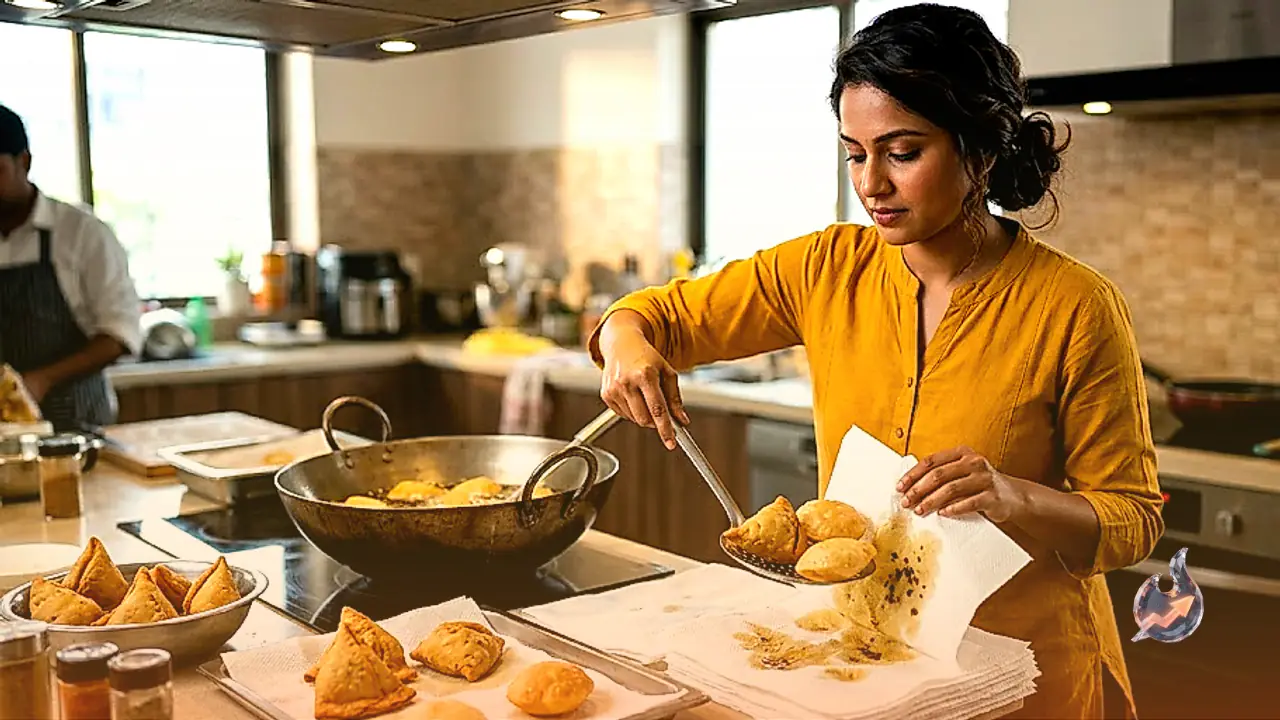

Across countless kitchens, a common ritual follows the preparation of deep-fried snacks like samosas, puris, or pakoras. Home cooks routinely place these items onto kitchen tissue paper immediately after taking them out of hot oil, operating under the widespread assumption that this practice removes excess grease and renders the meal somewhat healthier. However, is this belief grounded in fact? Are all varieties of paper towels safe to use with food, and does this simple step genuinely transform heavy fried items into a wholesome choice? Examining these questions closely helps balance culinary enjoyment with proper nutritional awareness.
How Much Oil Do Tissues Actually Absorb
There is a grain of truth to the practice, as kitchen tissue paper does possess the capacity to trap surface oil. The cellulose fibers present within these paper sheets attract and hold onto the excess grease clinging to the exterior of fried foods. When a freshly fried puri or snack rests on a towel right out of the pan, some of the oil coating the outside transfers into the paper. Nonetheless, the oil that has already penetrated deep inside the core of the food during the frying process remains untouched. In essence, the paper only addresses the outer film of fat rather than extracting the oil from the entire dish.
Does This Really Make Fried Food Healthy
Simply transferring greasy snacks onto a paper towel does not magically convert them into health food. While it successfully eliminates a small fraction of external oil, the vast majority of the calories and fat content remain completely unchanged. Anyone aiming to make fried treats lighter should instead focus on maintaining correct frying temperatures, utilizing superior quality cooking oils, and exercising moderation in portion sizes. Relying on paper towels as an excuse to consume unlimited quantities of fried foods without concern is a misconception.
Choosing the Right Type of Paper Towel
Only designated food-grade kitchen paper towels or specific food-safe napkins should ever be brought into contact with greasy dishes. These items are manufactured specifically for culinary applications, ensuring they remain safe when touching edibles. Conversely, standard facial tissues or decorative colored napkins are entirely unsuitable for this purpose because they are never engineered to meet food safety standards for direct contact.
Why Newspapers and Printed Paper Are Dangerous
Even today, numerous food vendors and households continue serving hot items like samosas, kachoris, or pakoras wrapped in old newspapers or printed paper. This habit poses significant health risks. When hot foods touch printed paper, the toxic inks and chemical compounds used in the printing process can easily transfer directly into the meal. This exact concern drives food safety authorities and regulatory bodies to strongly advise the public against using newspapers or printed paper for wrapping or serving food.
The Ideal Duration for Draining on Tissues
Leaving fried snacks on a kitchen paper towel for roughly thirty seconds to two minutes is generally sufficient. This timeframe allows the excess surface oil to drain away effectively. Leaving the items resting on paper for an extended period can trap steam rising from the hot food, which destroys its crisp texture and occasionally causes the paper fibers to stick directly onto the snack.
Better Methods to Minimize Oil in Fried Foods
Achieving lower oil absorption in homemade fried treats requires more than just relying on paper towels at the end of the process. Maintaining the cooking oil at the proper temperature range of approximately 170 to 190 degrees Celsius is crucial. Frying in insufficiently heated oil causes the food to absorb far more grease. Additionally, letting cooked snacks rest on a wire cooling rack instead of a flat surface allows surplus oil to drip downward freely, further reducing the overall grease content.