























The Meghalaya administration is initiating a specialized investigation into the elevated rate of maternal anaemia in East Garo Hills district following intense deliberations in the state Legislative Assembly in Shillong. Chief Minister Conrad K Sangma gave a formal assurance to the House that he will personally supervise the upcoming study and oversight process, aiming to address critical gaps in maternal healthcare infrastructure across the region.
Assembly Concerns Raised Over District Health Infrastructure
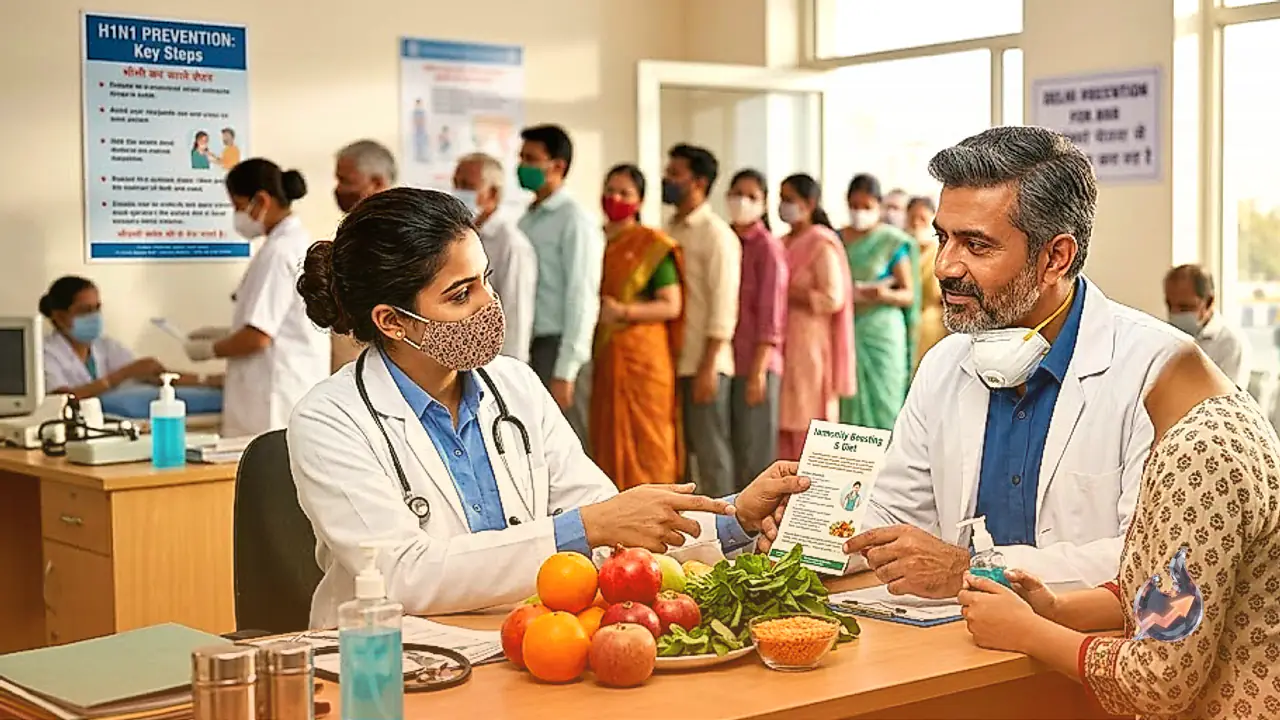
The legislative focus on East Garo Hills emerged after Leader of Opposition Mukul Sangma presented observations from his recent visits to local medical facilities. According to his findings, primary health centres and community health centres in the district have been handling maternal anaemia as a routine ailment rather than recognizing it as a severe health crisis. He highlighted that a significant number of pregnant women suffering from low hemoglobin levels are regularly compelled to seek specialized treatment outside the district due to limited resources at local healthcare facilities.
Warning about the broader developmental risks of untreated maternal malnutrition, Mukul Sangma stressed that poor maternal health directly impacts child growth and contributes heavily to childhood stunting across rural communities. He called for an immediate, structured survey and a comprehensive medical strategy tailored specifically to East Garo Hills to curb the widespread issue.
State Medical Interventions and Seven Year Progress
In response to the opposition's concerns, Chief Minister Conrad K Sangma outlined the digital tracking protocols and targeted health initiatives already active across Meghalaya. For the past seven years, the state health department has utilized a specialized software tracking mechanism to monitor every recorded pregnancy. This digital infrastructure safeguards patient anonymity while identifying mothers who fall into high-risk categories early in their pregnancy cycle.
The Chief Minister noted that approximately 10 to 15 percent of expectant mothers across the state are classified as high risk, with anaemia being the predominant underlying medical factor. To safeguard these vulnerable mothers, the government operates specialized transit mother homes where high-risk individuals are relocated roughly 15 days before their delivery dates. In these facilities, mothers receive tailored nutritional support and financial assistance to ensure safe deliveries.
Audit Commitment and Reduction in Maternal Mortality
Underlining the impact of these systemic measures, the Chief Minister shared that Meghalaya achieved a 55 percent reduction in its Maternal Mortality Ratio over the last seven years. This substantial decline represents the highest performance improvement recorded among Indian states during the same timeframe. The Chief Minister stated, "We don’t want a single mother to lose her life while bringing a life to this world."
To address the specific vulnerabilities identified in East Garo Hills, the state government will execute a comprehensive health audit alongside new target-oriented health measures. Conrad Sangma assured lawmakers that the special study will identify systemic bottlenecks in local medical facilities and deliver immediate relief to expectant mothers across the district.