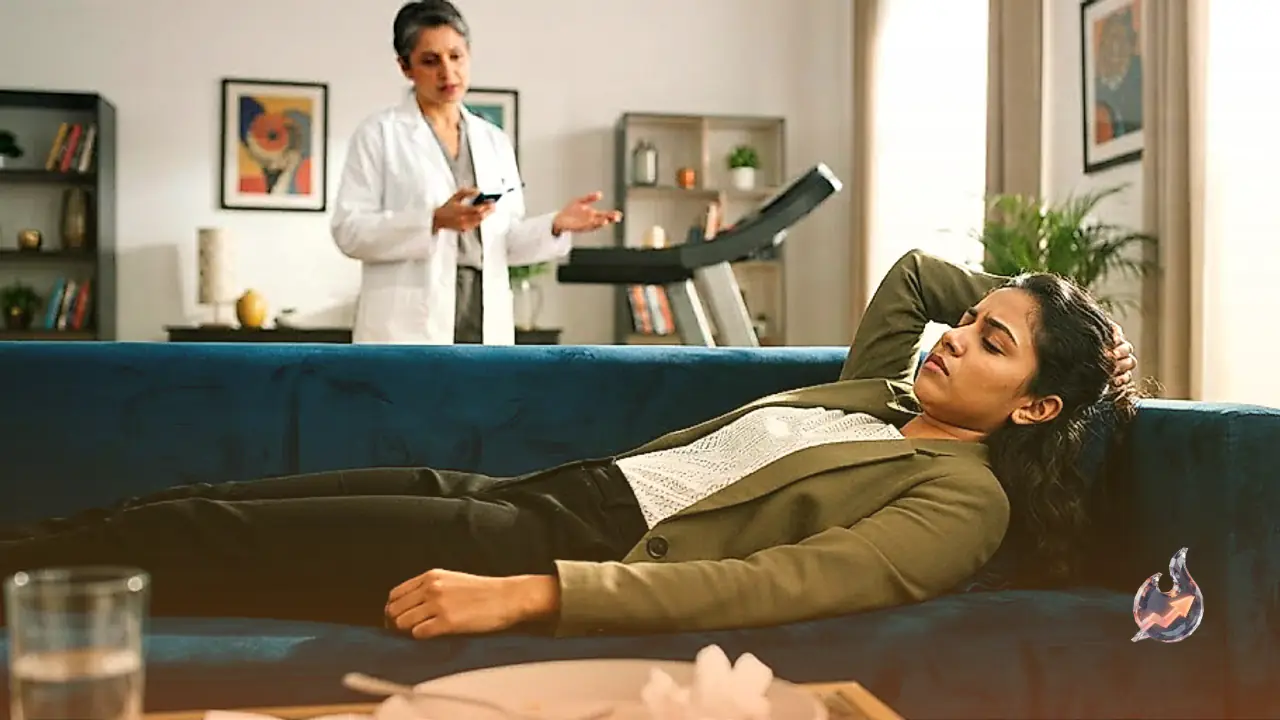






















Brain strokes have long been regarded as an ailment exclusive to the elderly, but modern clinical observations are increasingly challenging this traditional assumption. Cases of stroke are now surfacing among younger demographics, including children and adolescents. Incidents involving patients aged between 10 and 15 years have become a growing reality that is alarming medical professionals. Under these circumstances, overlooking sudden loss of balance, blurred vision, facial asymmetry, weakness in the limbs, or slurred speech can have catastrophic consequences. Early detection of warning signs and prompt medical intervention not only save lives but also substantially lower the chances of permanent paralysis and lifelong neurological disability.
The Underlying Biology of a Brain Attack
According to Dr. Manish Kumar Dheeraj, Senior Consultant Neurosurgeon at Mediversal Hospital, a stroke takes place when the normal blood supply to a specific region of the brain is interrupted or when a blood vessel ruptures and bleeds into brain tissue. The brain houses specialized centers that direct and coordinate every motor function and sensory response of the human body. When blood circulation to a particular area stops, the corresponding bodily function ceases to operate correctly. This interruption leads to sudden weakness in the limbs, loss of motor control, difficulty articulating speech, and other acute neurological deficits.
The neurosurgeon detailed that strokes broadly fall under two clinical classifications. The first is ischemic stroke, which occurs when a blood clot lodges inside an artery feeding the brain, creating an obstruction that halts blood flow. The second variety is hemorrhagic stroke, which happens when an artery wall weakens, bursts, and unleashes blood into the surrounding cranial space. In both emergencies, rapid diagnostic testing is essential because the clinical protocols for managing ischemic and hemorrhagic events are fundamentally opposed. Treating a clot requires dissolving agents, whereas managing a bleed demands halting the hemorrhage and decreasing cranial pressure.
The Six Letter Lifesaving BE FAST Formula
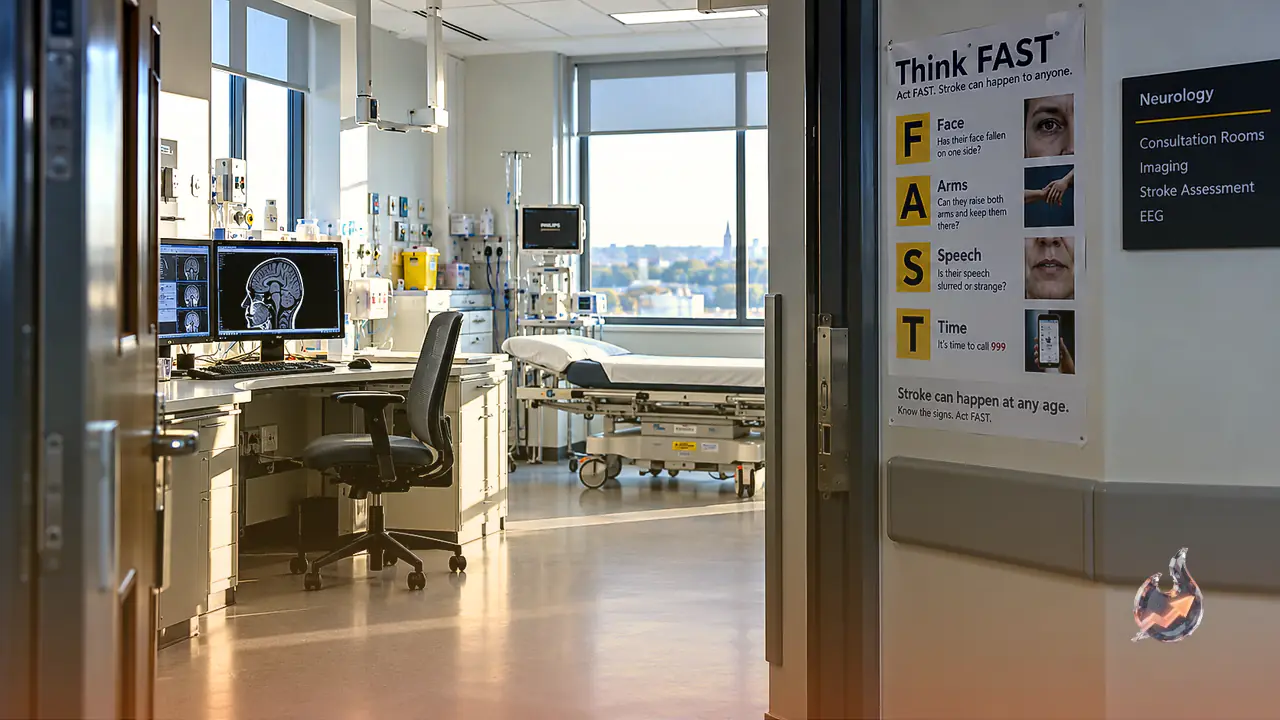
To help ordinary citizens spot the initial indicators of a neurological attack, the specialist recommended memorizing the acronym BE FAST. Each letter corresponds to an observable physical deficit that warrants immediate clinical attention.
B stands for Balance. A sudden disruption in normal walking, unexplained dizziness, loss of coordination, or an inability to stand steady without falling is a frequent hallmark of a stroke.
E represents Eyes. Any sudden visual disturbance, including blurred eyesight, diminished visual acuity in one or both eyes, or sudden double vision, signals that the brain centers responsible for processing visual signals are being starved of oxygen.
F corresponds to Face. If one side of an individual face suddenly droops downward, or if their smile appears uneven and crooked, it indicates facial nerve dysfunction caused by cerebral impairment.
A denotes Arms. A sudden feeling of numbness, weakness in an arm or leg, or the complete inability to lift one arm evenly alongside the other highlights significant motor pathway disruption.
S indicates Speech. When speech becomes noticeably slurred, when someone struggles to pronounce simple words clearly, or when a person cannot comprehend basic verbal statements, their brain language center is under distress.
T stands for Time. The moment any combination of these symptoms appears, every second counts. Family members must not delay, call for emergency transport immediately, and head straight to a stroke-ready medical center.
The Golden Hour Window and IV Thrombolysis
In the domain of emergency neurological care, the principle of time is brain governs every decision. Any prolonged delay in medical care permits oxygen deprivation to permanently destroy millions of vulnerable neurons. Arriving at a fully equipped emergency facility within the first sixty minutes, commonly called the golden hour, presents the patient with the absolute highest probability of recovery.
Upon reaching the emergency ward, clinicians perform an urgent CT scan or MRI evaluation to accurately pinpoint the nature of the stroke. If the scans confirm an ischemic stroke and the patient fulfills standard clinical parameters, medical teams can administer IV thrombolysis therapy. This procedure delivers specialized clot-busting medication directly into the bloodstream to break down the arterial obstruction. When administered within the permissible therapeutic window, this intervention can restore healthy perfusion to the affected brain tissue and, in several instances, completely reverse neurological deficits.
Cases in Young Children Raise Medical Alarms
Among the most concerning trends highlighted by Dr. Manish Kumar Dheeraj is the appearance of strokes at remarkably tender ages. The neurosurgeon recounted diagnosing a stroke in a patient as young as 10 years old, noting that witnessing cerebral attacks in children aged 10 to 15 remains an unusual and deeply unsettling clinical phenomenon.
He further shared having managed a brain hemorrhage in a newborn infant just three days old. However, he categorized that occurrence as an isolated neonatal or congenital condition rather than a standard adult-pattern stroke. The specialist underscored that deeper scientific investigation and clinical studies are urgently required to determine why pediatric and adolescent populations are showing vulnerability to these vascular episodes.
Preventive Lifestyle Measures and Risk Management
A substantial portion of stroke risks can be mitigated through disciplined daily habits and routine preventative screenings. Medical specialists advise maintaining the following safeguards
- Monitor blood pressure levels consistently and keep elevated readings controlled using prescribed medications.
- Schedule regular laboratory checks for blood sugar and cholesterol levels to prevent arterial narrowing and plaque deposition.
- Completely avoid cigarette smoking and all varieties of tobacco products.
- Maintain a healthy body weight through nutritious dietary choices and structured physical exercise.
- Participate in daily physical movement and use relaxation techniques to manage mental stress.
- Ensure adequate nighttime sleep and maintain regular daily schedules.
- Never waste critical early minutes on domestic remedies or alternative therapies when stroke symptoms manifest; seek specialized emergency care at once.
Dr. Manish Kumar Dheeraj emphasized that rehabilitating a stroke survivor demands immense time, financial expenditure, and psychological stamina, which strains the entire household. Consequently, proactive identification of underlying risk factors and preventive health management remain the most effective strategies against this debilitating condition.