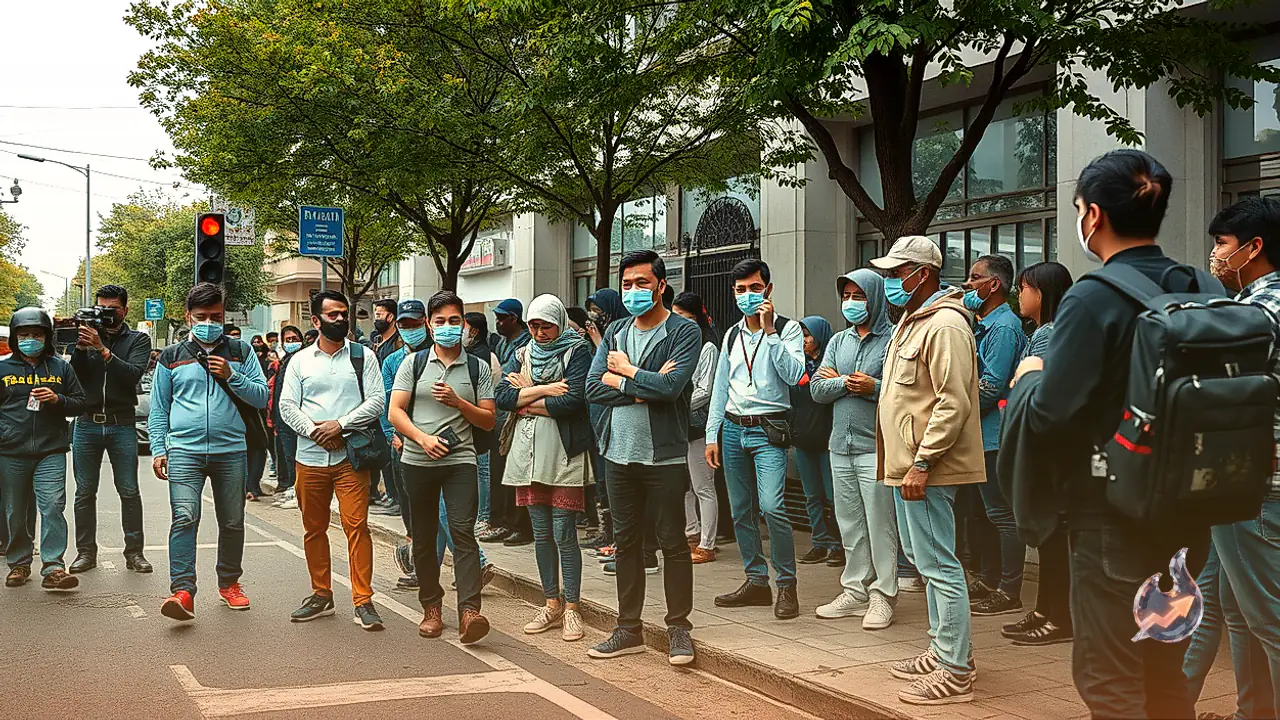






















Medical professionals are turning their focus toward evaluating how chronic environmental contamination in heavily polluted metropolitan belts influences internal human organs. Oncologists emphasize that restricting cancer risk assessments solely to smoking, nutritional intake, and sedentary habits is no longer sufficient. Investigating potential biological interactions between long-term exposure to ambient particulate matter PM2.5, ground-level ozone, and malignancies of the human digestive tract has become an urgent scientific priority.
Alarming Manifestation of Gastrointestinal Growths in Adolescents
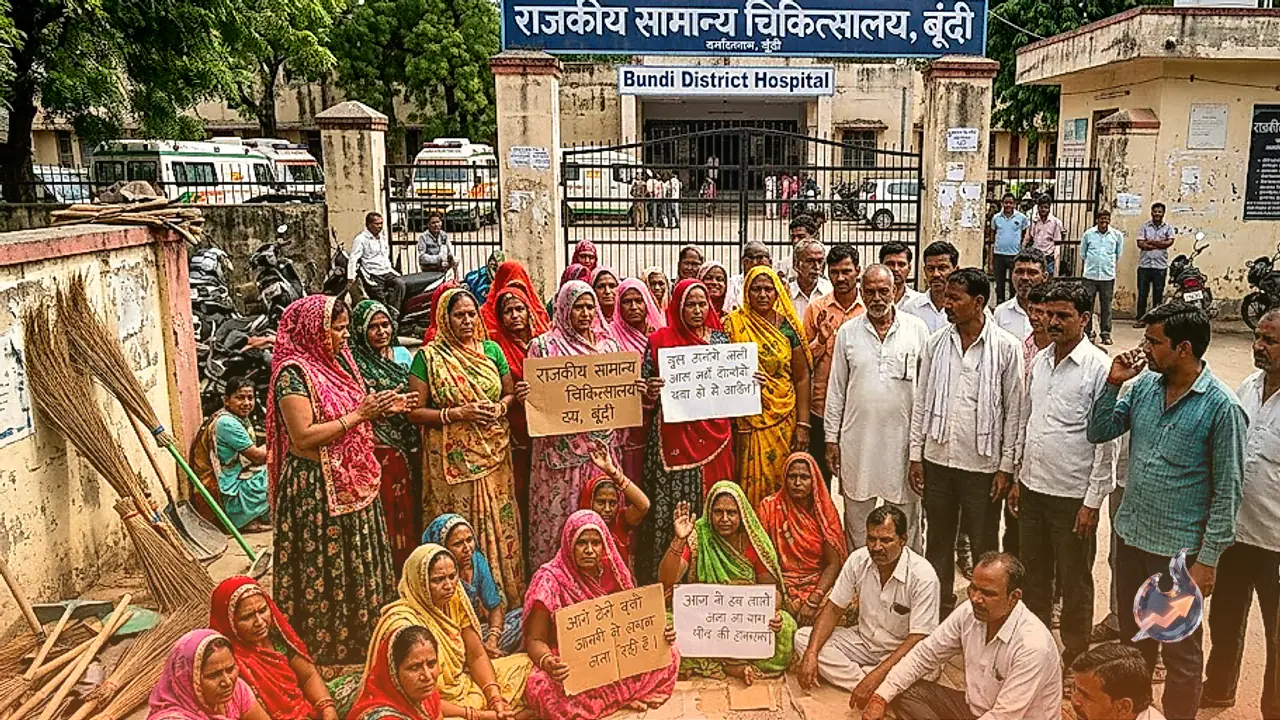
Clinical trends observed during outpatient consultations have raised serious concerns among healthcare practitioners. Dr. Shyam Aggarwal, who leads medical oncology at Sir Ganga Ram Hospital, disclosed that youngsters as young as 15 years of age are presenting with digestive tract malignancies. Five years ago, appearances of such advanced abdominal tumors among pediatric and adolescent cohorts were exceptionally rare. He emphasized that tracing these etiologies demands looking closely at external environmental habitats alongside personal lifestyle markers.
However, clinicians caution against jumping to conclusions. While international investigative papers indicate an observable statistical correlation between ambient toxic atmospheres and elevated malignancy risks, these observations do not establish definitive causality linking air contamination directly to colorectal or gastric tumors. Similarly, shifting epidemiological patterns among younger demographics cannot be attributed exclusively to airborne pollutants.
Neglected Risks of Ground-Level Ozone and Atmospheric Toxins
Public discourse surrounding atmospheric contamination routinely concentrates on particulate counts like PM2.5 and PM10. Dr. Shyam Aggarwal highlighted that surface-level ozone represents a critical pollutant whose long-term physiological consequences remain inadequately scrutinized. Unlike protective stratospheric ozone, gas forming close to ground level interacts aggressively with living tissue, requiring dedicated assessment.
Physicians stressed that structured research initiatives must be launched across domestic urban centers grappling with severe seasonal smog and industrial emissions. Conducting rigorous cohorts in highly compromised ambient environments will illuminate how chemical and particulate loads contribute to cellular alterations in the human digestive system over protracted timelines.
Cross-Border Medical Collaboration on Colorectal Malignancies
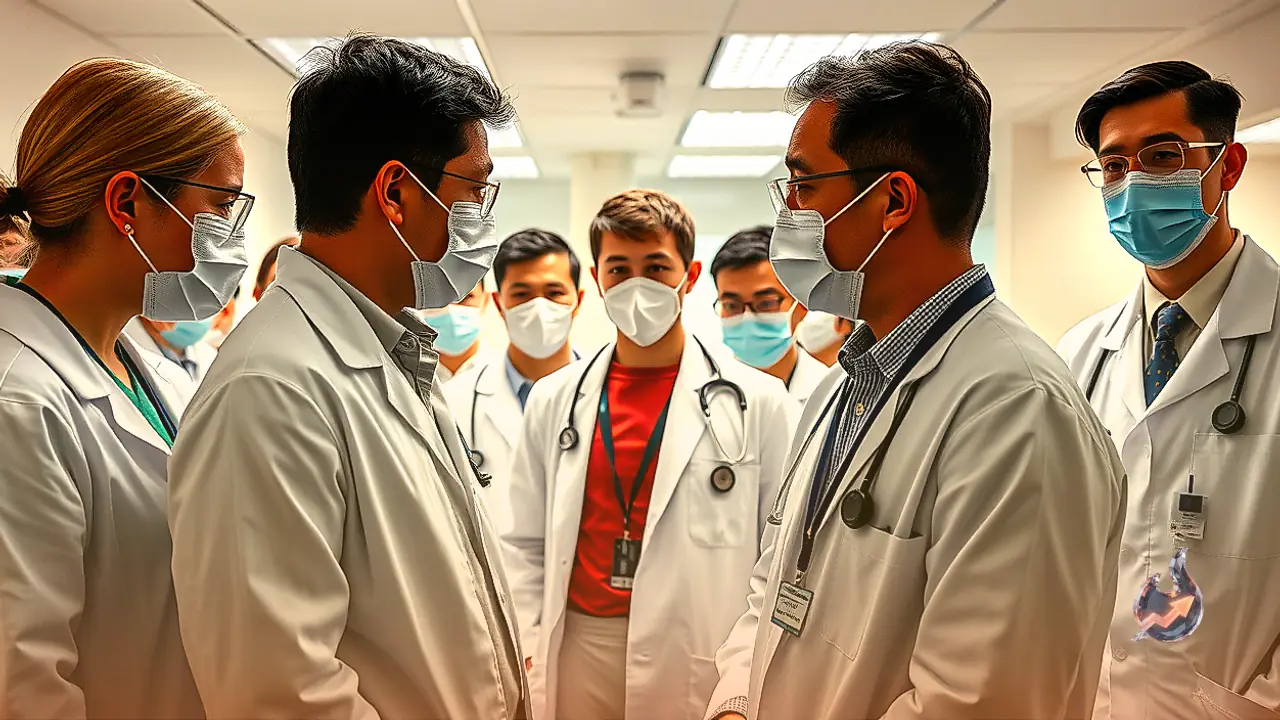
These pressing health intersections were evaluated during a two-day global conference hosted in Delhi on October 10 and 11. Co-organized by Sir Ganga Ram Hospital in association with the UK-based The Christie NHS Foundation Trust, the academic gathering concentrated predominantly on gastrointestinal cancers, placing particular emphasis on colorectal pathologies. Dr. D.S. Rana, chairman of the hospital's trust society, noted that transnational alliances build critical channels for exchanging specialized oncology methodologies.
Medical delegates observed that cross-border institutional synergy accelerates early clinical screening, enhances therapeutic accuracy, and improves survivorship. Sharing clinical observations across divergent geographic populations helps researchers analyze both lifestyle-induced genetic damage and ambient exposures.
Multifactorial Triggers and the Necessity of Timely Evaluation
Deciphering the root drivers of digestive tract tumors requires a comprehensive perspective rather than blaming an isolated pollutant. Dr. Saumitra Rawat, head of surgical gastroenterology at Sir Ganga Ram Hospital, pointed out that thorough diagnostic workups must evaluate inherited family lineages, genetic predispositions, dietary habits, metabolic routines, localized biological infections, and ambient toxicity simultaneously.
Dr. Rawat urged individuals not to ignore persistent gastrointestinal discomfort or chronic changes in digestive regularity, recommending prompt consultations with clinical experts. Corroborating this perspective, Selvasekar Chelliah, consultant colorectal and laparoscopic surgeon at The Christie NHS Foundation Trust, underlined that multidisciplinary clinical cooperation sharpens treatment accuracy while opening broader avenues for unearthing environmental catalysts that govern long-term oncological outcomes.