



















While pumpkin squash is a familiar staple across everyday households, relatively few people realize that the vibrant yellow blossoms blooming along the pumpkin vine are equally edible and nutritious. Across rural communities, these delicate, tender petals have long served as the centerpiece for an array of regional dishes, ranging from mildly seasoned curries to crispy fritters. Country kitchens naturally adapt their cooking to seasonal cycles, welcoming fresh pumpkin flowers whenever the harvest permits. From a nutritional perspective, these soft flowers carry an impressive array of vital compounds, making them a valued seasonal addition to the dining table rather than a culinary afterthought.
A Dense Spectrum of Vitamins and Trace Minerals
According to Vaidya Vishnu Dutt Prajapati, pumpkin flowers are packed with essential vitamins, minerals, generous water content, and a notable presence of dietary fiber. The core nutritional profile of these yellow blossoms prominently features vitamin A and vitamin C, alongside balanced amounts of folate and other supportive minerals. Maintaining long-term wellness requires a diverse intake of colorful produce, and integrating varied seasonal greens helps prevent dietary monotony. In this context, pumpkin blossoms provide an accessible and wholesome avenue to enrich everyday meals with plant-based vitality.
Supporting Ocular Function and Everyday Vision
The nutritional composition of pumpkin blossoms includes compounds associated with vitamin A, a key nutrient responsible for normal ocular function and standard eye health. Incorporating these natural flowers into a broader balanced meal plan helps supply the body with the raw micronutrients needed to sustain clear sight. However, healthcare practitioners emphasize that eating pumpkin flowers should not be mistaken for a medical cure or targeted remedy for existing eye disorders, serving instead as one beneficial component of a nutrient-dense diet.
Dietary Fiber for Smooth and Regular Digestion
Adequate roughage remains fundamental to the everyday operation of the human digestive tract, and pumpkin blossoms supply valuable plant fiber to the gut. Consuming optimal fiber levels throughout the day supports healthy bowel motility and helps lower the likelihood of dealing with sluggish digestion or uncomfortable constipation. For individuals seeking gentle ways to elevate their fiber consumption without relying on heavy meals, preparing pumpkin flowers as a light vegetable dish offers a practical, easy-to-digest option.
Immune System Maintenance and Better Iron Absorption
The vitamin C preserved within fresh pumpkin blossoms contributes meaningfully to the upkeep of the body's natural immune defenses. Beyond its immune-supporting qualities, vitamin C carries out the crucial metabolic role of facilitating the absorption of non-heme iron from regular plant-based foods. Consequently, pairing pumpkin blossoms alongside other traditional seasonal vegetables not only diversifies table flavors but also promotes more efficient nutrient uptake throughout the body.
Low Calorie Values and the Significance of Cooking Styles
A notable advantage of pumpkin flowers is their naturally low caloric density, making them suitable for lighter culinary preparations. When sautéed with minimal oil and gentle spices, these flowers translate into a very light, refreshing vegetable meal. On the other hand, dipping the fragile petals into thick batter and deep-frying them in large amounts of oil to create traditional fritters significantly elevates the total fat and calorie load. For those prioritizing optimal nutritional value, preparing the blossoms as a mild, low-fat cooked dish remains the superior approach.
Traditional Culinary Roots and Delicate Kitchen Preparation in Gonda
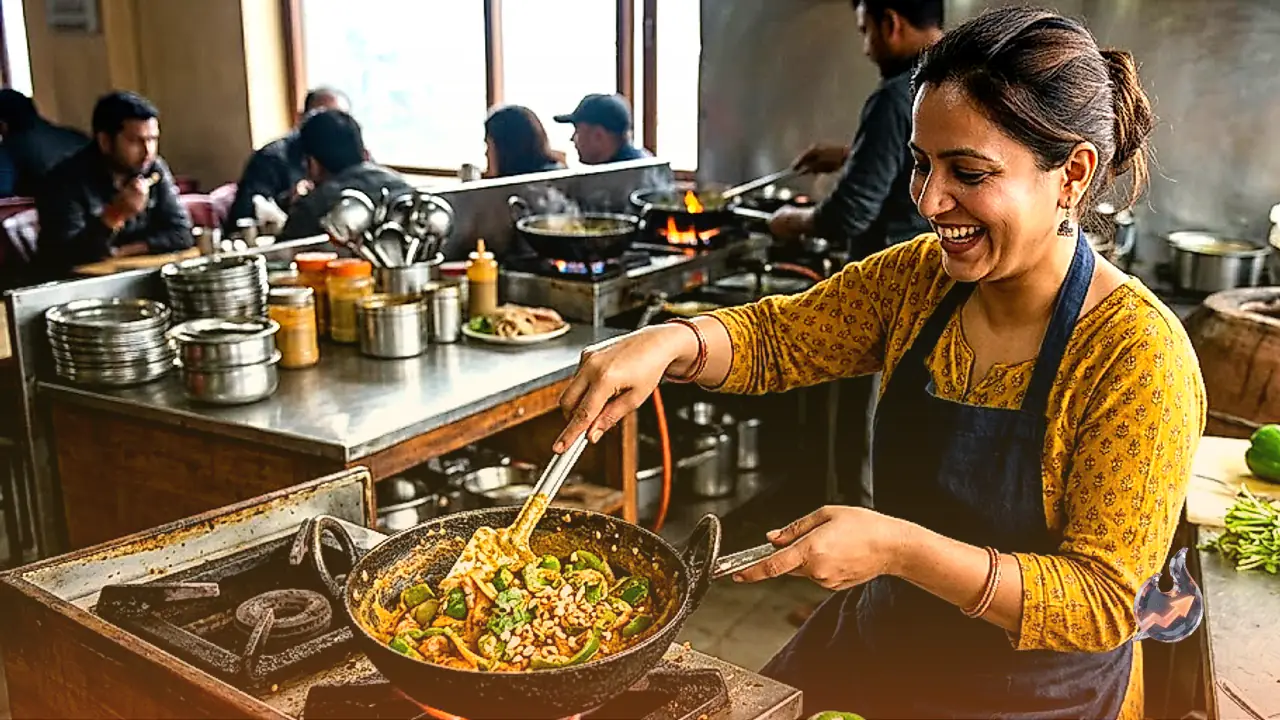
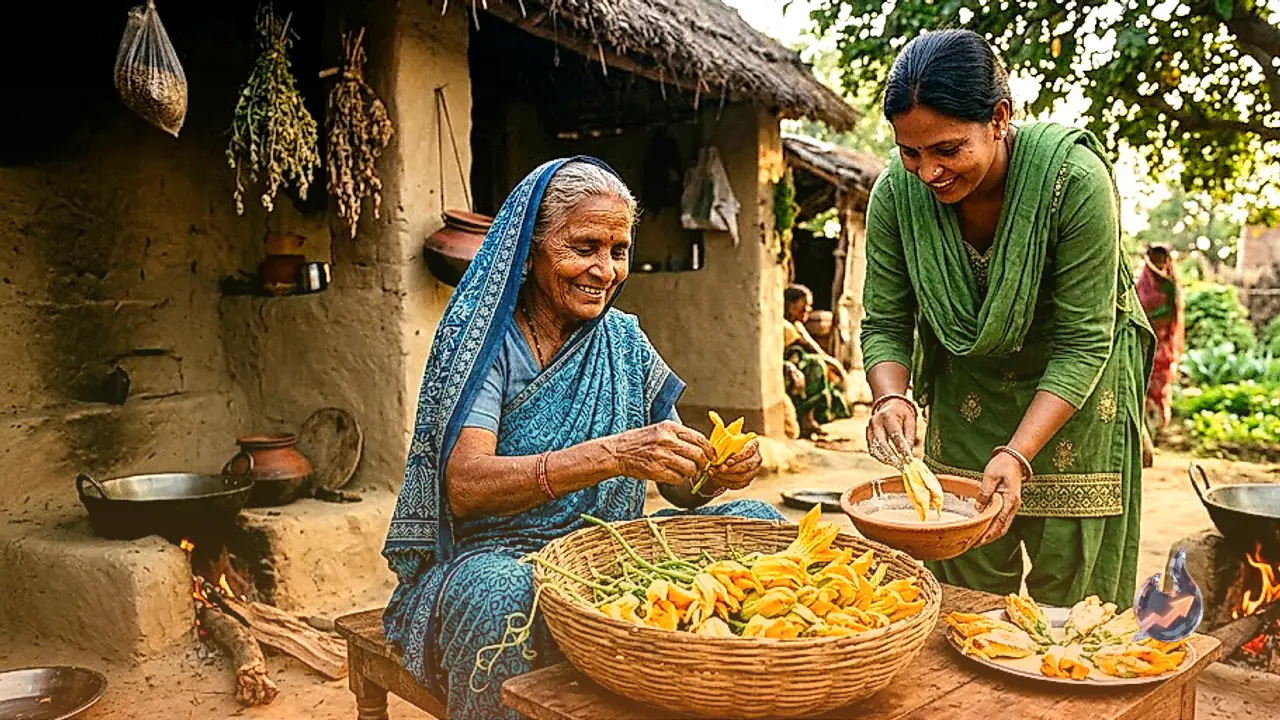
In the rural hamlets of Gonda, preparing pumpkin flower dishes is an enduring domestic custom passed down across generations. The process begins with harvesting freshly opened blossoms directly from the sprawling vines. Because pumpkin petals are exceptionally fragile, picking and sorting them requires deliberate care. Cooks carefully open and inspect the interior of each blossom to remove tiny garden insects, stems, and trapped dirt particles. Once thoroughly cleaned, the flowers are washed under cold water and gently cooked with traditional regional spices. While crispy fritters remain popular in certain homes, cooking immediately after picking ensures that the subtle fragrance and soft texture remain intact.
Essential Cleaning Protocols and Food Safety
Before bringing pumpkin flowers into any kitchen, following strict hygiene standards is non-negotiable. Agricultural plots and home gardens occasionally use pesticide treatments to ward off crop pests. If there is any chance that synthetic sprays were utilized near the vines, the blossoms must undergo rigorous and gentle washing under clean running water. Consuming freshly picked flowers raw straight from the field is strongly discouraged; thorough sorting, cleaning, and complete culinary cooking are necessary steps before serving them to the family.
Balancing Whole Nutrition and Seeking Medical Guidance
Vaidya Vishnu Dutt Prajapati reminds consumers that while pumpkin blossoms fit seamlessly into a balanced diet, no single vegetable functions as a standalone medical cure-all. True bodily health relies on a consistent balance of leafy greens, legumes, whole grains, fresh seasonal fruits, and other wholesome staples. Furthermore, if an individual manages specific food allergies or lives with chronic medical conditions, consulting a certified physician or registered dietitian before introducing pumpkin flowers into their regular diet is always the safest course of action.