

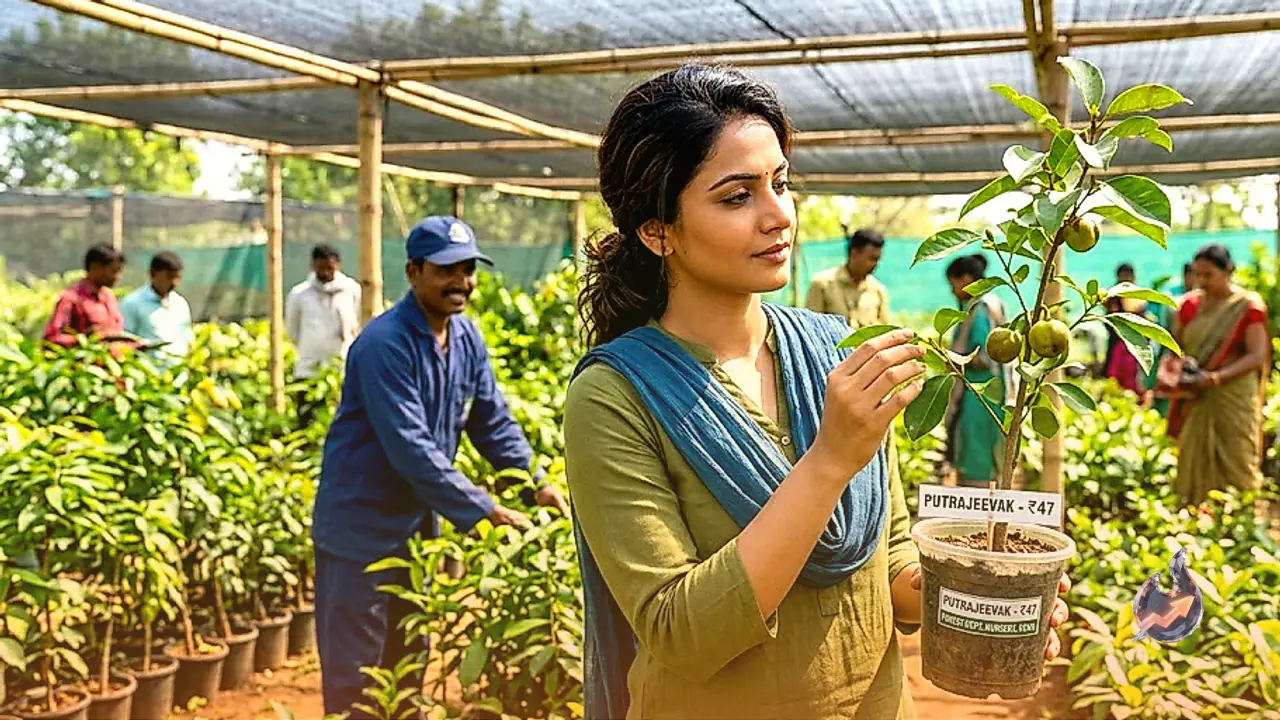



















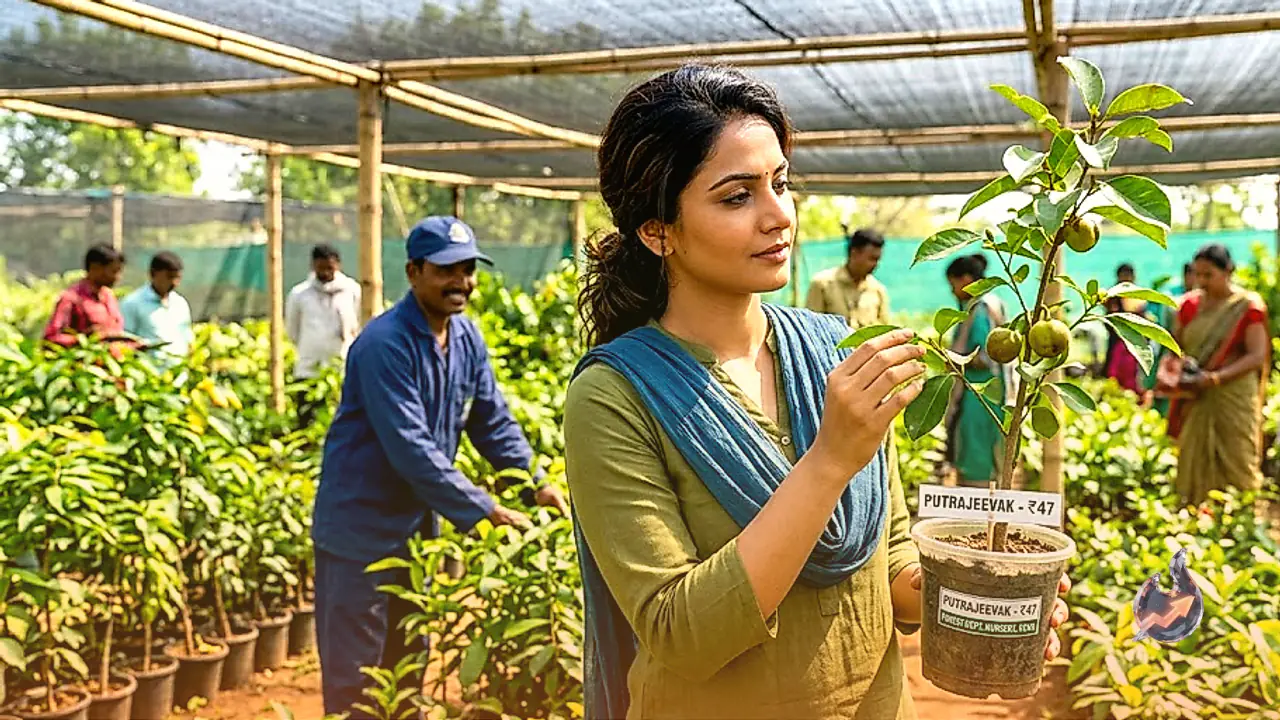

Amid the rich natural diversity of medicinal flora in the Vindhya region of Madhya Pradesh, a specialized plant maintained at the Forest Department horticulture nursery in Rewa has been attracting significant public interest. Commonly known in traditional wellness circles as Putrajeevak, the plant finds mention in Ayurvedic literature for reproductive health and broader therapeutic applications. Upendra Pratap Singh, a forest guard stationed with the Research Extension Circle Rewa, noted that Putrajeevak has maintained a recognized position in Ayurveda over many generations. He explained that traditional Indian healing systems have historically utilized its seeds and various vegetative parts across diverse medicinal preparations.
Traditional Reproductive Claims Versus Clinical Evidence
The primary reason Putrajeevak draws widespread curiosity stems from deeply rooted folklore and traditional beliefs concerning human fertility. Classical Ayurvedic practices often reference the application of its seeds in supporting women's reproductive wellness and addressing difficulties related to conceiving children, which historically earned the botanical its descriptive name. However, modern clinical evidence verifying its efficacy in aiding conception remains distinctly limited. Healthcare professionals caution that individuals should not self-administer any botanical remedy as an unverified cure for infertility or conception delays. When encountering challenges with pregnancy, seeking professional evaluation and clinical advice from a qualified gynecologist or fertility specialist remains indispensable.
Broader Therapeutic Uses and Medical Caution
Beyond matters of reproductive vitality, traditional medicinal documentation attributes several other benefits to the various components of the Putrajeevak plant. Historical texts and folk remedies document its use for promoting general female vitality, addressing nutritional deficits, reducing physical weakness, and managing minor day-to-day ailments. It has even appeared in traditional remedies intended to relieve routine cough and cold symptoms. Nevertheless, health experts emphasize that age-old folk claims cannot be equated with modern evidence-based medical validation. In matters involving hormonal balance or reproductive complications, consuming the plant without formal medical supervision carries potential risks and should be strictly avoided.
Sapling Pricing and Agricultural Cultivation
The Forest Department nursery in Rewa has made Putrajeevak saplings directly accessible to gardening enthusiasts, medicinal plant collectors, and the farming community. Interested buyers can obtain a sapling from the nursery facility at a government-fixed rate of ₹47. Officials point out that agricultural producers can also cultivate Putrajeevak as a structured crop, offering an opportunity to diversify into medicinal plant farming while expanding market options.