






















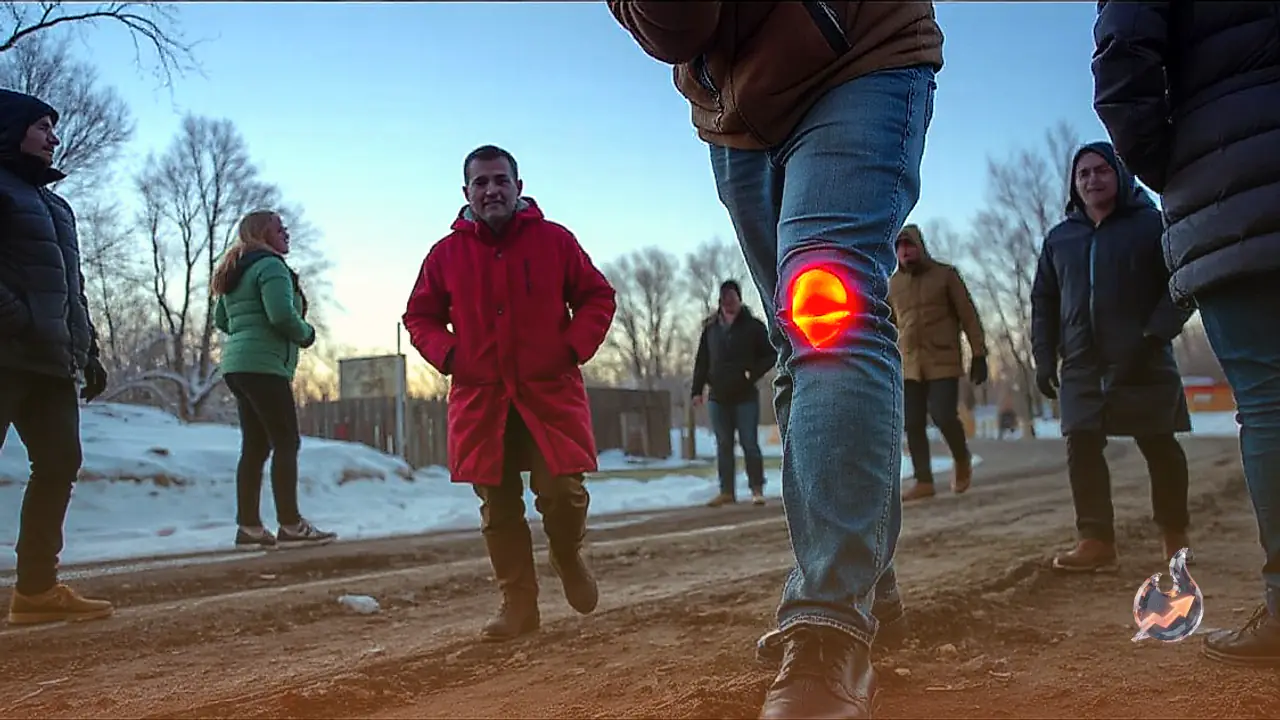

As winter sets in, stiffness and aching in the joints become a frequent complaint for many individuals. Dr. Mohammad Imran, a physician at Government Ayurvedic, explains that joint pain frequently intensifies with advancing age due to the reduction of natural lubricating fluid within the knees, a condition commonly identified as arthritis. When this joint discomfort is only beginning to appear, basic home remedies can be remarkably useful in alleviating the problem. However, if the ache has persisted over a prolonged duration without easing, seeking an evaluation from a qualified physician for structured medical intervention becomes strictly necessary.
The Value of Early Massage and Targeted Compresses
Attending to joint irritation right at its onset makes a significant difference in recovery. Dr. Mohammad Imran notes that performing gentle massage or applying suitable compresses during the early phase can help the ache subside, as mild joint trouble often resolves with timely home-based care. Nevertheless, if someone relies on household treatments without experiencing any tangible improvement, it is vital not to delay professional consultation. A qualified medical practitioner can prescribe appropriate medication to halt the progress of the underlying condition.
Mustard Oil Infused with Garlic for Soothing Relief
Among various self-care techniques, oil massage holds a prominent reputation as a restorative practice for aching knees. To prepare this remedy, take mustard oil, add finely cut pieces of garlic, and warm the mixture gently over heat for a short while. Once it reaches a comfortably warm temperature, apply it over the knees using gentle, circular hand movements. Garlic is recognized for its anti-inflammatory properties, making this warm combination especially effective in calming internal inflammation and softening persistent joint soreness.
Warmed Oil with Lemon to Ease Muscle Rigidity
Another practical massage option involves incorporating lemon into oil before warming it slightly. Gently massaging this warm blend onto the affected knee helps release stiffness that locks up the lower leg and directly reduces pain. Thorough massage therapy is widely regarded as one of the most effective non-invasive ways to manage knee discomfort, as regular rubbing restores ease of movement. Anyone dealing with initial joint stiffness can easily prepare and practice this method within their own household.
Choosing Between Warm Water and Ice Compresses
For individuals who are unable to carry out an oil massage, applying compresses offers a dependable alternative to reduce pain. Sensation-based therapy is divided into two distinct procedures: hot water application and ice packs. When the knee is suffering purely from general ache and mechanical stiffness, warm water compresses are ideal because heat stimulates local blood circulation. Conversely, if the joint exhibits visible swelling, feels hot to the touch, and hurts upon direct contact, applying ice for 10 to 15 minutes is recommended to bring down inflammation. In cases of ongoing discomfort, drinking a cup of warm milk mixed with a light pinch of turmeric can also bring soothing internal relief. While these domestic measures are beneficial for early discomfort, chronic or intense pain requires the formal guidance of a qualified doctor.