






















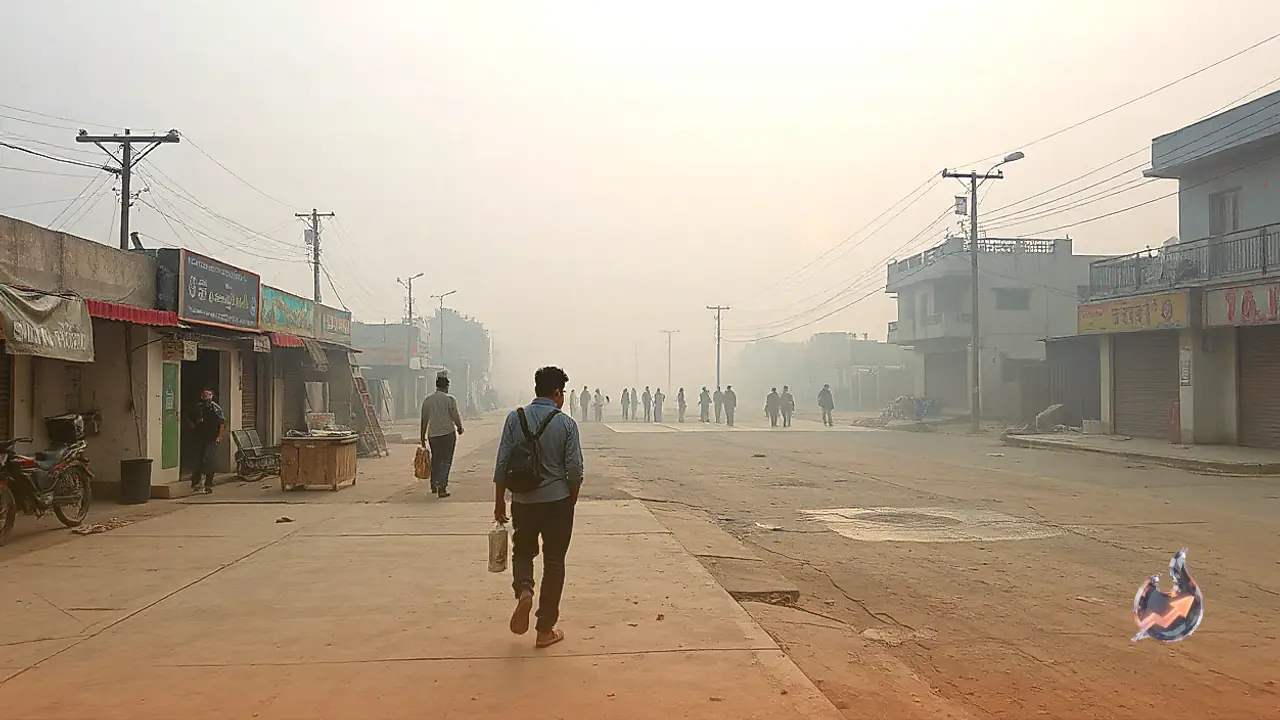

During festive celebrations filled with illuminated lamps and firecrackers, air quality degrades sharply across urban and semi-urban landscapes. The dense chemical smoke and microscopic suspended particles released by fireworks pose severe health hazards for individuals managing respiratory conditions. Inhaling sharp odors, particulate dust, and heavily polluted air can rapidly trigger persistent coughing, labored breathing, painful chest tightness, and continuous wheezing. Such atmospheric conditions demand heightened vigilance from asthma patients during festive periods. Mere physical avoidance of firecrackers is not sufficient; individuals must also carefully maintain indoor air quality and adhere strictly to their medical regimens.
Avoid Firecracker Smoke and Keep a Safe Distance
Standing in close proximity to bursting firecrackers poses immediate risks to vulnerable lungs. The emissions from combustible fireworks contain fine particulate matter and toxic chemical residues that directly inflame respiratory passages. This exposure leads to rapid irritation of the bronchial tubes, often resulting in sudden coughing spasms, severe wheezing, and acute shortness of breath. Patients should strictly refrain from lighting fireworks themselves and avoid visiting gatherings where crackers are being burst. Whenever outdoor fireworks are underway nearby, observing the wind direction and moving away from drifting smoke plumes is essential to minimize pulmonary irritation.
Protect and Manage Indoor Air Quality
Remaining indoors provides necessary shielding when outdoor pollution surges to dangerous levels, provided the indoor environment itself is properly managed. Whenever outside air is thick with smoke and smog, keep all windows and doors firmly shut to stop polluted drafts from entering living quarters. Dust accumulation inside rooms must be prevented through safe cleaning methods. Instead of sweeping with a dry broom, which scatters microscopic allergens into the breathing zone, use damp cloths or wet mops to clean surfaces. Furthermore, avoid burning incense sticks, mosquito coils, aromatic dhoop, or using heavily fragranced chemical sprays inside the house. Enforce a strict ban on indoor tobacco smoking. Only during clear periods, when localized ambient air metrics show improvement, should windows be briefly unlatched to allow fresh ventilation.
Maintain Medication Schedules and Inhaler Readiness
Festive disruptions must never lead to skipped doses or laxity in taking prescribed asthma medications. Daily preventive tablets and maintenance inhalers must be administered exactly according to the physician instructions. Individuals who rely on rapid reliever inhalers should keep these portable canisters within arm reach at all hours, ensuring immediate access during sudden bronchospasms. Altering prescribed dosages or stopping maintenance therapies without medical guidance can prove hazardous. If an individual anticipates that unavoidable exposure to festive smoke will destabilize their respiratory health, consulting a doctor in advance to refine an emergency action plan is strongly recommended.
Check the Air Quality Index Before Heading Outdoors
The Air Quality Index serves as an essential numerical guide to determine the pollution severity in any locality. Because meteorological conditions and pyrotechnics often push index numbers into hazardous territory during festive seasons, checking regional readings before stepping outdoors is vital. If ambient metrics indicate severe pollution, cancel morning walks, outdoor exercise, and discretionary leisure trips. For unavoidable outdoor transit, wearing a certified N95 respirator mask helps filter airborne particulates. However, patients must remember that wearing a protective face covering does not substitute for regular inhaler therapy or prescribed medical treatments.
Action Steps for Escalating Breathing Difficulties
When exposure to firecracker fumes results in acute shortness of breath, tightening sensations across the chest, or persistent lung wheezing, the condition requires immediate intervention. Patients should promptly implement the emergency protocols laid out in their personal asthma action plan. If respiratory distress escalates to the point where speaking full sentences becomes difficult, or if the prescribed reliever medication fails to deliver noticeable relief, family members should seek emergency medical care at a hospital without delay. Timely clinical intervention remains the single most reliable safeguard against life-threatening respiratory crises.