



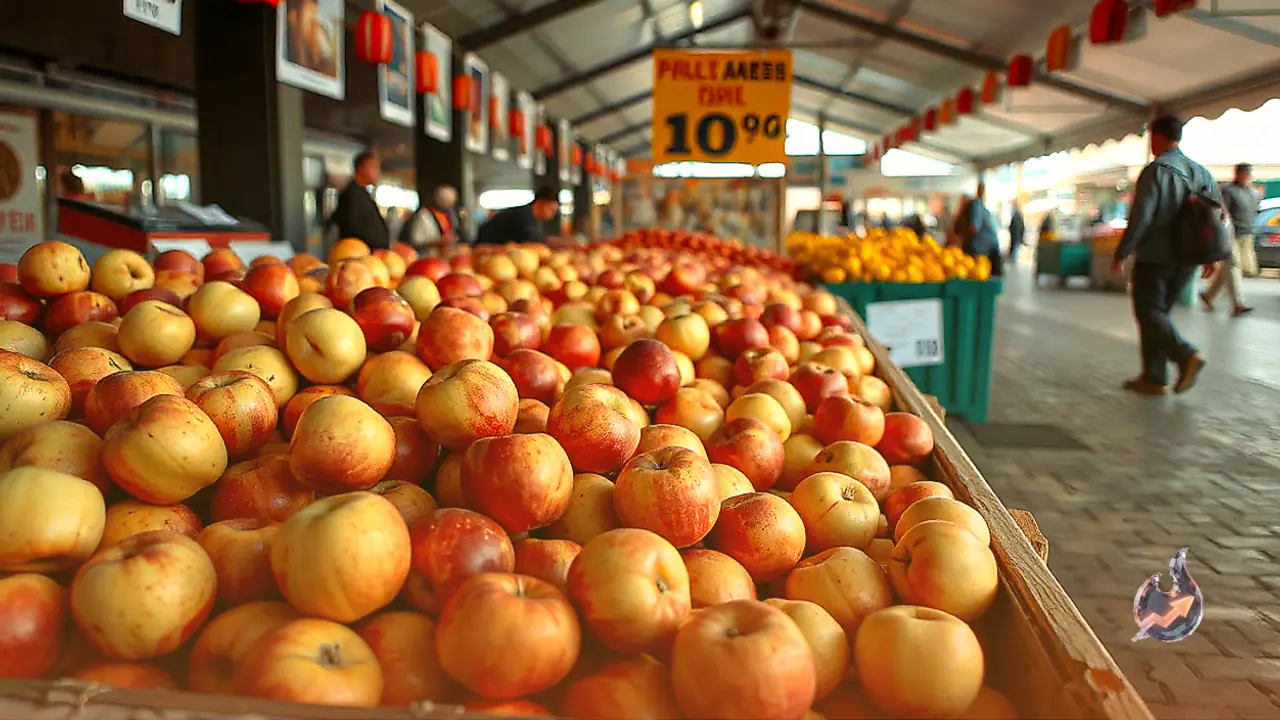



















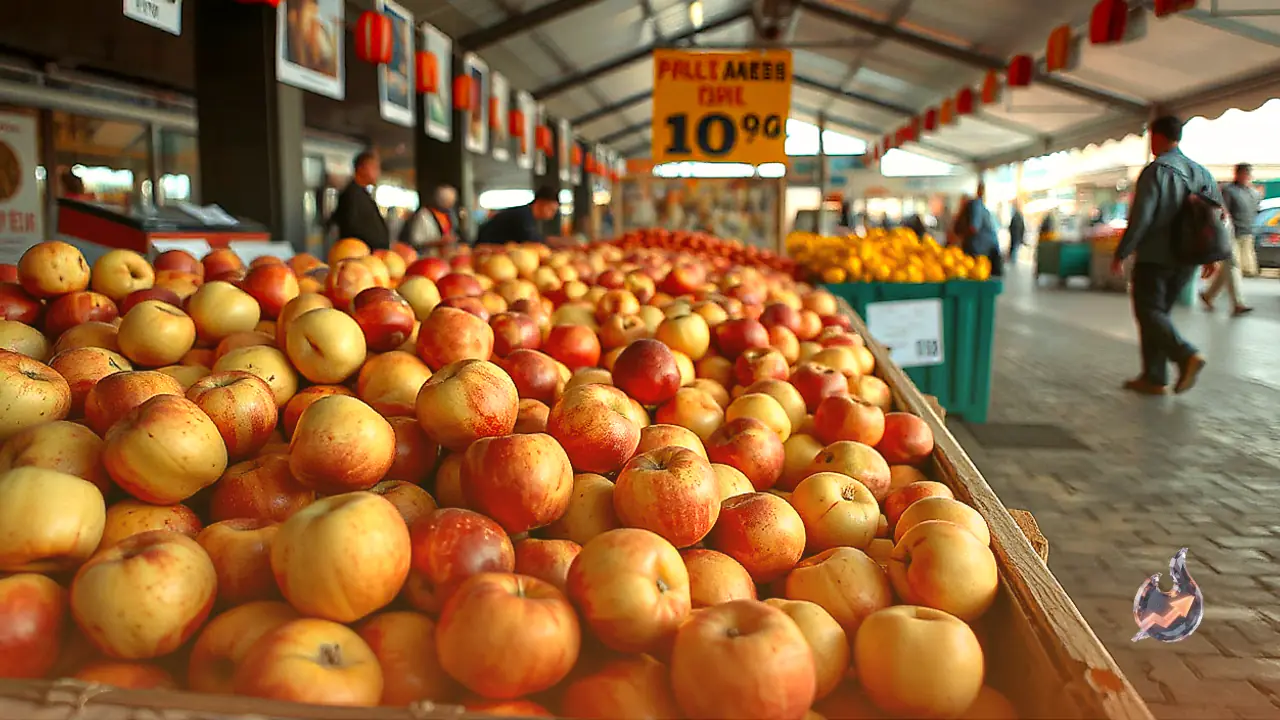

Vibrant displays of fruit at market stalls can easily mislead buyers who judge produce entirely by its exterior gloss. Slicing into a seemingly perfect purchase at home only to find dry, floury, or sour flesh is a common disappointment. Selecting high quality apples requires looking beyond surface presentation and paying close attention to texture, heft, and cultivar characteristics. According to fruit seller Arvind, specific varieties, density, and physical firmness are the real indicators of flavor and freshness.
Golden Delicious Delivers Natural Sweetness
Shoppers who prioritize rich sweetness and abundant juice over tartness should look specifically for the Golden Delicious variety. Unlike common crimson options, this fruit is readily identified by its pale yellow or golden skin. It has earned a strong reputation among consumers for its consistently sweet flavor profile and succulent flesh, making it a reliable selection when an overtly sweet fruit is preferred.
Do Not Judge Exclusively by Red Skin
A widespread misconception among shoppers is that a deeper shade of red automatically guarantees superior sweetness. In reality, multiple distinct varieties feature dark red peels, and their internal flavor profiles vary significantly from tart and crisp to mildly sweet. Instead of relying on pigmentation alone, ask the vendor to name the exact variety on display so you can match the purchase to your personal taste preferences.
Test Firmness with a Gentle Squeeze
Physical texture offers immediate insight into the internal condition and freshness of an apple. A freshly picked, crisp apple feels solid, rigid, and unyielding when held in the palm. Apply slight pressure with your fingers; if the flesh yields easily or feels spongy, the fruit is likely overripe or degraded from prolonged storage. Soft specimens tend to have a mealy, unappealing consistency inside.
Prioritize Density Over Visual Size
Weight relative to size is a dependable indicator of moisture content. When sorting through produce, lift two apples of comparable volume in your hands to evaluate their relative heft. The specimen that feels distinctly heavier for its dimensions usually contains a higher concentration of juice. However, higher water retention does not guarantee high sugar levels by itself, so this test should accompany variety checks.
Inspect the Peel for Blemishes and Bruising
The condition of the outer skin directly reflects internal quality. Thoroughly examine the entire circumference of the fruit for large indentations, punctures, fungal rot, or prominent dark patches. Produce that has suffered transport impacts deteriorates rapidly beneath the surface. Selecting clean, intact pieces ensures the flesh remains crisp and edible throughout.
Check the Natural Aroma
Fresh fruit emits a subtle, characteristic aroma that serves as a useful diagnostic sign. Bring the apple close and take note of its scent. A fresh piece typically yields a faint, pleasant, and clean smell. If the fruit releases an unnatural, sour, or fermenting odor, it should be avoided entirely. Using this combination of variety awareness, tactile firmness, relative weight, surface inspection, and aroma ensures consistently satisfying fruit selection.