






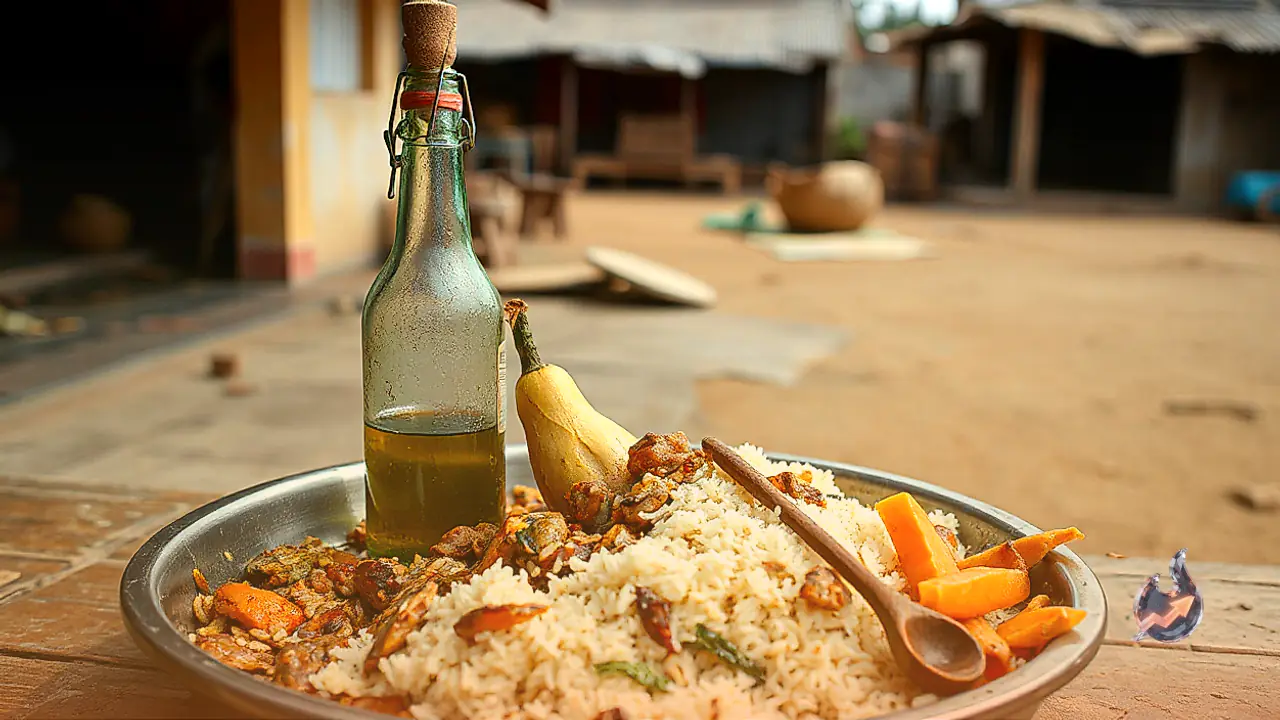
















Rice forms an integral part of daily meals in households across India. Frequently, surplus portions are set aside in the refrigerator and later reheated for subsequent meals. While this is a widespread kitchen habit, storing and consuming leftover cooked rice requires strict adherence to food safety principles. Improper storage allows harmful micro-organisms to multiply rapidly, turning an ordinary staple into a potential cause of food poisoning. Understanding the safe duration for refrigerating cooked rice and mastering proper handling techniques is crucial for avoiding gastrointestinal illness.
Safe Storage Window in the Refrigerator
When handled and chilled correctly, cooked rice can be safely stored in the refrigerator for 3 to 4 days. However, enjoying this safe window depends entirely on how quickly the food is managed immediately after cooking. Many households leave freshly cooked grains resting on kitchen counters for multiple hours, a practice that drastically elevates microbial hazards.
Cooked rice needs to be cooled down as rapidly as possible before going into cold storage. Standard guidance dictates placing the rice in the refrigerator within one hour of cooking. Allowing cooked food to sit at room temperature for extended stretches creates an ideal thermal zone for bacteria to awaken and multiply rapidly.
The Bacillus Cereus Threat and Food Poisoning Risks
The primary pathogen associated with cooked rice is a bacterium known as Bacillus cereus. What makes this organism exceptionally stubborn is its spores, which can survive the intense heat of boiling and steaming during the cooking process.
If moist, cooked rice lingers in the ambient room environment, these surviving spores germinate into active bacteria. As they multiply, they produce toxic byproducts within the food. Consuming grains contaminated with these bacterial toxins can trigger acute distress, including severe vomiting, abdominal cramping, and watery diarrhea.
Best Practices for Storing Leftover Rice
Maintaining safety depends heavily on the method chosen to chill and enclose the leftover grains. To keep bacterial growth completely suppressed, adopt the following handling steps
- Speed up cooling: Rather than leaving a large, deep pot out on the counter, divide the hot rice into smaller, shallow portions so that heat dissipates swiftly.
- Use clean, sealed containers: Transfer the cooled grains into clean containers secured with tight-fitting lids to protect them from air exposure and refrigerator cross-contamination.
- Maintain refrigerator temperature: Ensure the cooling unit is set to 4 degrees Celsius or lower to keep microbial activity dormant.
- Prevent repeated temperature shifts: Avoid pulling out the entire container repeatedly; dispense only the portion needed so the remainder stays thoroughly chilled.
Precautions for Reheating Leftover Grains
Whenever refrigerated rice is prepared for a meal, it must undergo thorough reheating. The entire portion should become piping hot throughout, with visible steam rising from every part of the dish to confirm adequate heat distribution.
Portion control is equally critical during reheating. Extract and warm only what will be consumed immediately. Repeatedly cycling cooked rice between cold refrigeration and warm room conditions creates an optimal window for bacterial toxins to develop, significantly compounding health risks.