























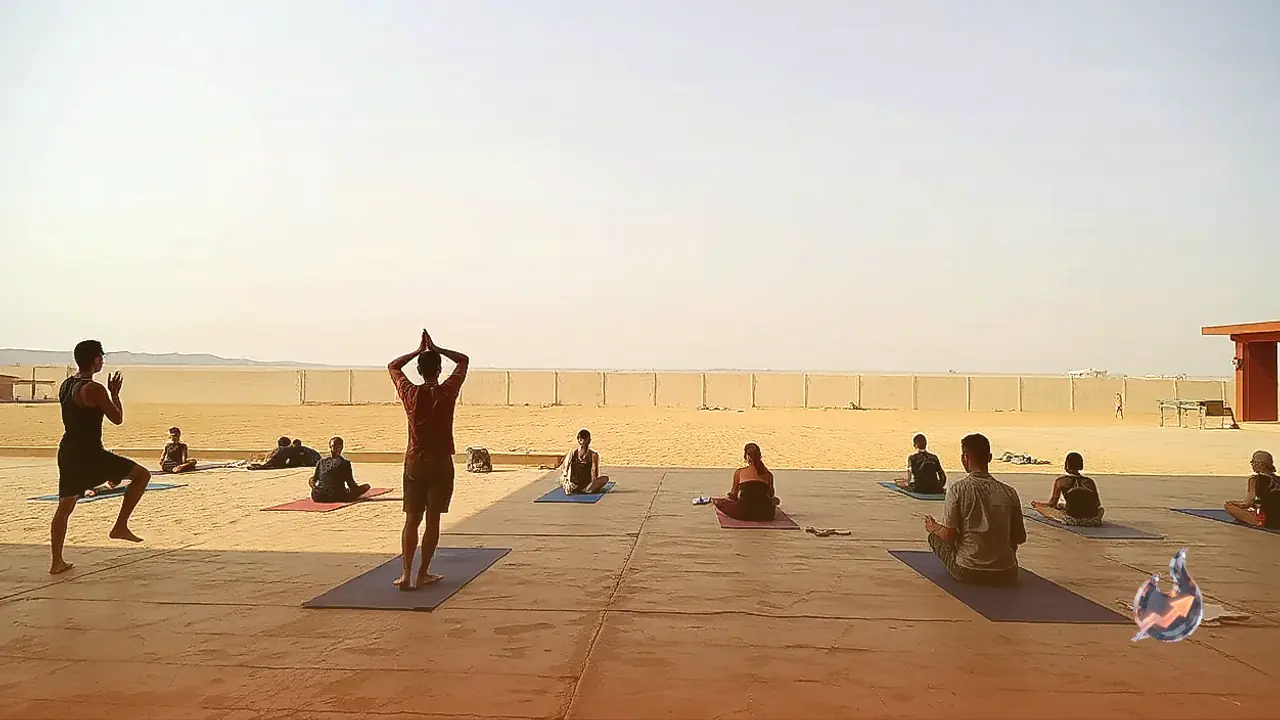

In the midst of demanding daily schedules, an increasing number of individuals turn to yoga to maintain fitness and well-being. While some adopt the discipline for weight management, others seek relief from persistent stress and mental exhaustion. However, authentic yoga extends far beyond twisting the body into intricate postures or displaying extreme flexibility. It is an inward process designed to establish harmony between physical capacity and mental clarity, demanding consistency, patience, and a deep awareness of personal limits. To help practitioners gain the full advantages of their sessions without sustaining harm, the Ministry of AYUSH has highlighted key principles that must guide daily practice.
Steer Clear of Unhealthy Comparison
A frequent error among practitioners is treating the yoga mat as a stage to prove physical superiority. Watching a peer execute an advanced posture often tempts others to force their own bodies into identical shapes immediately. Yoga is fundamentally non-competitive, and measuring personal progress against someone else defeats its core purpose. The journey centers entirely on observing one's own breath and physical responses. Rather than striving to match the flexibility of another person, practitioners must focus on steady individual development.
Prioritize Daily Consistency Over Occasional Marathons
The physiological and mental rewards of yoga emerge only when practice becomes an unbroken routine. Dedicating a realistic, modest time window every day yields far greater outcomes than practicing for multiple hours once in a while. Beginners should always start with gentle, accessible postures before progressively expanding duration and intensity. Consistent, rhythmic engagement allows muscles and joints to adapt safely, establishing enduring muscle memory without exhaustion.
Respect Individual Physical Limitations
Every human body possesses unique structural mechanics and varying degrees of muscular elasticity. A movement that appears effortless for one person might cause severe strain to someone with different anatomy or past injuries. Blindly mimicking advanced postures seen on social media platforms presents a severe physical hazard. Postures must be selected strictly according to age, health history, and current physical stamina. Exerting excessive force on unconditioned joints or ligaments invites acute muscle tears and long-term injury.
Listen Attentively to Bodily Warning Signals
Fixating entirely on completing a posture often blinds practitioners to vital internal cues. Continuous mindfulness regarding natural breathing patterns, muscular tension, and mental state is crucial during every movement. If a posture triggers sharp pain, dizziness, or acute discomfort, the practitioner should stop immediately rather than trying to endure the sensation. Forcing through physical pain is completely antithetical to yoga, which requires ease, steady comfort, and constant self-awareness.
Embrace Broader Yogic Values Beyond Physical Postures
Many view yoga exclusively as a series of physical exercises, ignoring its extensive philosophical foundations. Classical yoga accords equal significance to Yama and Niyama, which govern conduct and personal ethics. Yama guides external interactions through non-violence, truthfulness, and integrity toward others. Niyama emphasizes internal cultivation through personal cleanliness, contentment, self-discipline, and dedicated study. Integrating these foundational values transforms simple physical exercise into a holistic discipline that reshapes personal conduct and everyday lifestyle.