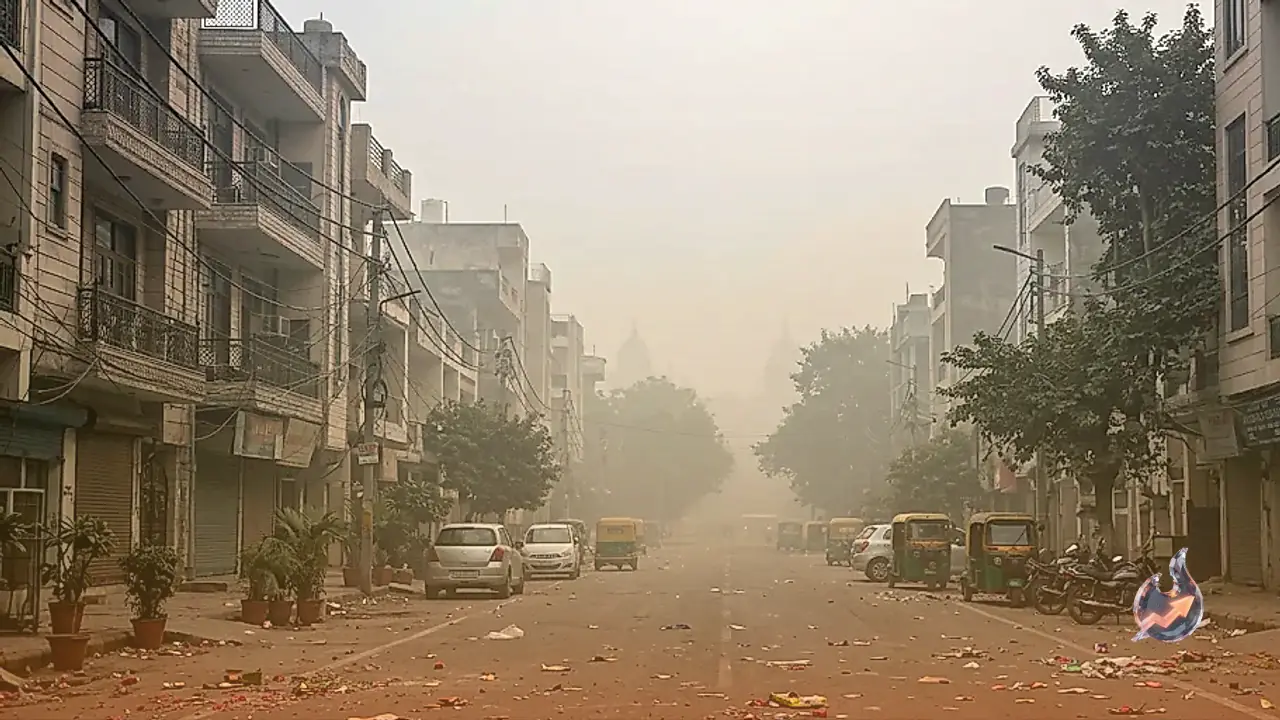























Air pollution exerts its most devastating toll on individuals battling respiratory ailments. This toxic atmosphere contains microscopic particles smaller than PM 2.5 that travel straight through the windpipe and lodge deep inside the lungs, causing numerous complications. For people suffering from chronic obstructive pulmonary disease, asthma, tuberculosis, pneumonia, and pulmonary fibrosis, daily life becomes exceptionally difficult during heavy pollution spells. To help these vulnerable individuals combat the crisis, Dr. Naresh Kumar, Director and Head of the Pulmonology Department at Lok Nayak Jai Prakash Narayan Hospital in New Delhi, has shared vital expert advice.
Understanding How Pollution Damages the Lungs
Polluted air consists of a dangerous mixture of hazardous elements and toxic chemicals, including nitrogen dioxide, carbon monoxide, benzene, lead, and sulfur dioxide. These particles generally range between PM 2.5 and PM 10 in size, meaning their thickness is less than the four-hundredth part of a millimeter. Because they are so microscopic, they cannot be seen with the naked eye and easily invade the lungs. Once inside, these particles trigger inflammation within the air sacs, causing lung capacity to plummet and severely damaging delicate lung tissues.
Severe Toll on Asthma and COPD Patients
Individuals living with asthma and COPD endure the maximum hardship during severe pollution episodes. Since their lung function is already compromised, incoming pollutant particles worsen their condition rapidly. When ozone particles enter an asthma patient's airways, they cause intense irritation and inflammation, leading to narrowed airways, breathing difficulties, wheezing, and shortness of breath. A similar pattern unfolds in COPD patients, who experience persistent coughing and excessive mucus accumulation. Chronic bronchitis sufferers face prolonged inflammation in their bronchial tubes, resulting in constant chest tightness and fatigue.
Never Skip Your Prescribed Medications
Dr. Naresh Kumar emphasizes that the most critical rule during high pollution is to strictly adhere to your prescribed medical regimen. Never miss or skip the medicines recommended by your doctor. Missing doses can trigger a rapid escalation of symptoms and push your respiratory health into a dangerous downward spiral.
Manage Concurrent Medical Conditions
Asthma and COPD patients frequently live with underlying health issues such as diabetes or high blood pressure. Dr. Naresh Kumar notes that if respiratory conditions coincide with other chronic illnesses, managing those secondary conditions is equally vital. Coexisting diseases amplify the harmful effects of pollution on the body, making thorough medical management essential.
Avoid Unnecessary Outdoor Movement
When pollution levels soar, individuals should avoid stepping outside unless absolutely necessary. Venturing outdoors increases the risk of toxic particles interacting with the body. Always try to remain indoors unless an urgent situation demands your presence outside.
Always Wear a Mask Outdoors
If stepping out is unavoidable, make wearing a mask non-negotiable. Never venture outdoors unprotected. A proper mask ensures that significantly fewer pollutant particles enter through your nose and respiratory tract, shielding your lungs from immediate harm.
Refrain From Outdoor Exercise and Morning Walks
When atmospheric pollution peaks, cancel outdoor workouts and exercise routines. Avoid morning walks entirely during heavy smog conditions. Instead, keep your physical activity confined indoors with light pacing or gentle movements. Patients with breathing disorders must strictly avoid strenuous physical exercise.
Consume an Antioxidant-Rich Diet
Adjust your daily nutrition by incorporating antioxidant-rich foods. Opt for fresh green leafy seasonal vegetables and a wide variety of fresh fruits. Citrus fruits help boost immunity and strengthen the body's natural defenses; include options like oranges, kiwis, lemons, pineapples, and grapefruit in your daily meals.