























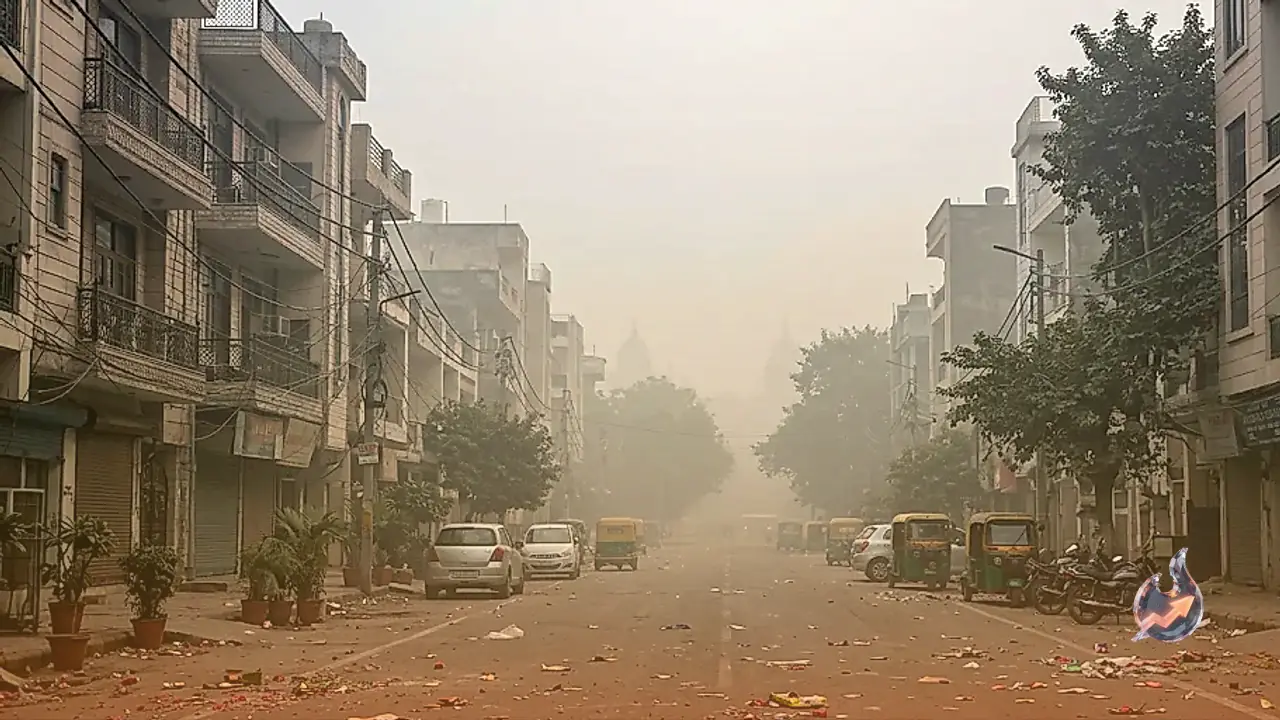

The sky over Delhi-NCR has been shrouded in a thick blanket of dark smog following the Diwali festivities. While a layer of heavy pollution was already lingering in the region, conditions worsened significantly after the celebrations. Although the public health risks concerning respiratory illnesses are widely discussed, this heavy pollution impacts every single organ in the human body. Once these pollutants enter the respiratory tract, the most prominent external impact is borne by the skin. The toxic chemicals present in pollution are extremely fine and microscopic, allowing them to penetrate deep inside the skin with ease. When these toxins breach the skin barrier, they begin destroying skin cells, triggering a variety of health complications. Dr. Seema Oberoi, a dermatologist at CK Birla Hospital, has elaborated extensively on this concerning issue.
The Microscopic Size of Airborne Toxins
The air carries multiple types of toxic chemicals, the majority of which are profoundly detrimental to human health. Typically, the toxins present in smog are finer than PM 2.5, which stands for particulate matter 2.5. This means these toxins measure less than 2.5 microns in thickness. One micron equals 0.0025 millimeters, or the 400th part of a millimeter. For comparison, the thickness of a single human hair ranges between 0.5 and 0.7 millimeters. Viewed in this light, the thickness of these toxic particles is roughly 28 times less than that of a human hair. These tiny toxins easily pierce through human skin and infiltrate the body. Furthermore, as moisture begins building up in the atmosphere during certain weather conditions, these harmful particles remain suspended in the air, preventing complete oxidation. Particulate matter undergoing incomplete oxidation penetrates the skin layers even more effortlessly.
How Polluted Air Penetrates the Skin
According to dermatologist Dr. Seema Oberoi, polluted and toxic air contains harmful chemicals capable of severely degrading skin health, including isothiocyanates, heavy metals like benzene, arsenic, lead, pesticides, polychlorinated biphenyls, solvent chemicals, hydrocarbons, aromatic compounds, and ultraviolet rays. A major characteristic of most of these toxins is that they are fat-soluble. While many substances do not typically dissolve in fat, these pollutant particles do. This implies that once they breach the outer layers of the skin, they enter individual cells, bind directly with fat, and begin wreaking havoc on the internal cellular structures.
The Destructive Impact on Cellular Health
When these noxious toxins break through the upper defensive layer of skin cells and enter the tissue, internal cellular turmoil begins. An imbalance occurs within the cells, causing a rapid surge in free radicals. The proliferation of free radicals triggers severe oxidative stress inside the cells. Consequently, cellular DNA begins to sustain damage, which in turn sparks a cascade of health issues. Skin cells experience intense inflammation, causing the skin to look dull and fatigued. Premature aging sets in rapidly, making a person appear much older than their actual chronological age. As a result, breakouts like pimples, pigmentation, and wrinkles become clearly visible on the skin. These toxins strip away natural skin moisture and fracture the protective barrier. If DNA damage continues unabated over several years, it can potentially lead to skin cancer. Pollution frequently induces severe skin allergies and eczema. Furthermore, polluted air chokes skin pores, leading to widespread blackheads.
Practical Ways to Shield Your Skin From Pollution
Dr. Seema Oberoi shared essential steps to protect skin from the adverse effects of heavy pollution. The primary step is to apply coconut oil all over the body immediately after taking a bath. This creates a protective shield on the skin, making coconut oil one of the best choices for body moisturization. Alternatively, body lotion or a standard moisturizer can also be applied right after bathing. Avoid using excessively hot water while showering. Refrain from going outside whenever possible. When venturing outdoors, wear a face mask and apply adequate moisturizer and sunscreen to exposed skin, ensuring your palms and hands are also well-moisturized. Additionally, boost your dietary intake of antioxidant-rich foods such as green leafy vegetables and fresh fruits. Increase consumption of Vitamin C and beta-carotene in your daily diet, and incorporate healthy seeds to support overall skin health.