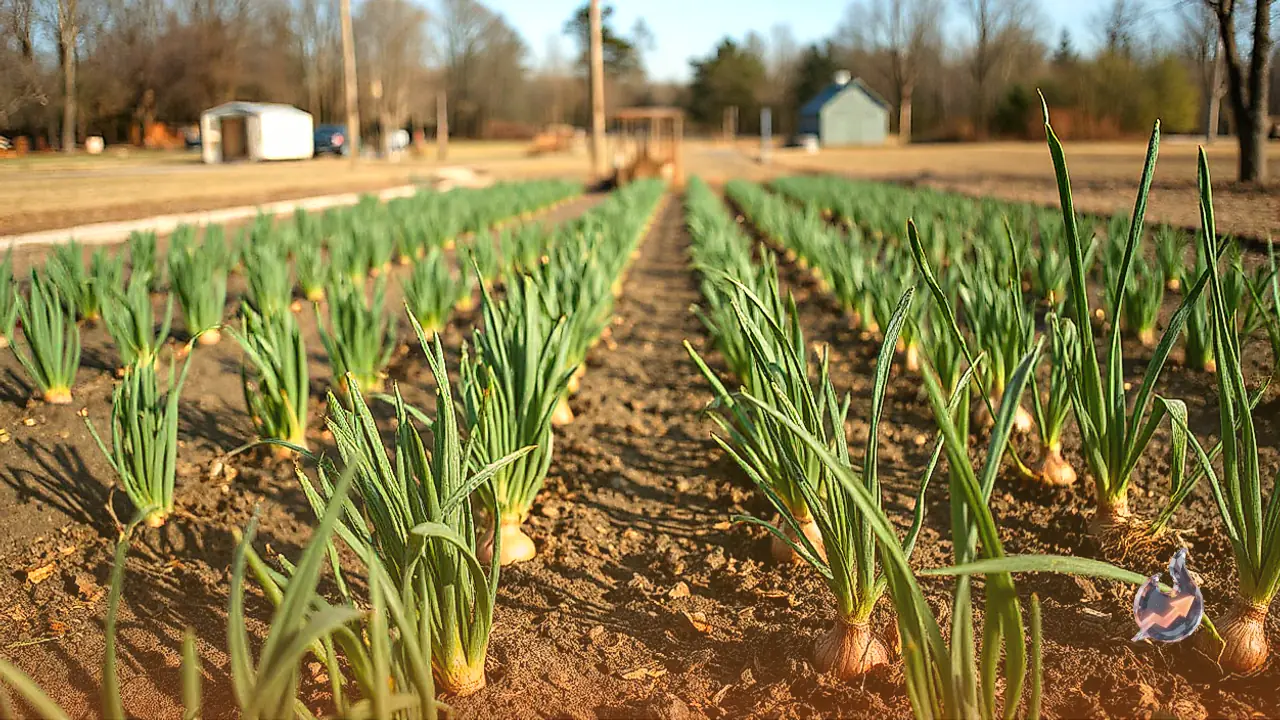

Fresh green onions, also known as spring onions, add a rich flavor, crisp texture, and vibrant color to a wide variety of winter dishes, from hot soups to stir-fries. Instead of buying them repeatedly from the grocery store, gardening enthusiasts can easily cultivate their own supply right on a sunny balcony, terrace, or windowsill. By taking advantage of household kitchen scraps and providing simple daily care, home gardeners can harvest crisp green shoots throughout the colder months.
Selecting the Base and Preparing the Bulbs
The journey to growing a healthy crop of spring onions begins with selecting suitable base bulbs. When buying onions from the market, choose small to medium-sized bulbs that feature firm bases with visible root structures intact. Cut off the bottom root portion of the onion, leaving about one to two inches of the bulb intact above the root base. It is essential to keep these root structures undamaged, as they serve as the anchor and primary intake system for nutrients that enable rapid sprouting.
Choosing the Container and Preparing Nutrient-Rich Soil
Proper container selection and soil preparation play a critical role in promoting vigorous plant growth. Select a pot or planter box equipped with proper drainage holes at the bottom to prevent water stagnation, which can cause root rot. Long, shallow rectangular troughs or wide containers are ideal because they allow multiple bulbs to be planted side by side with adequate spacing. For the planting medium, mix standard garden soil with well-rotted organic compost or vermicompost to create a loose, well-draining, and nutrient-dense environment.
Managing Sunlight and Water Requirements
Spring onions thrive when provided with sufficient sunlight and balanced hydration during the winter season. Place the container in a spot that receives around four to six hours of direct sunlight each day, such as a south-facing balcony or windowsill. Winter sunlight provides gentle warmth that stimulates photosynthesis without drying out the foliage. In terms of watering, cold weather reduces soil moisture evaporation, so water the plants only when the top layer of soil feels dry to the touch.
Routine Nourishment and Sustained Harvesting
Maintaining soil fertility ensures a continuous yield of healthy green leaves throughout the season. To support steady development, apply a modest quantity of vermicompost or organic liquid fertilizer every 20 to 25 days. Over-fertilization should be avoided, as moderate nutrient replenishment is sufficient to enhance soil quality. As the foliage grows, trim the upper green leaves for culinary use while leaving the root base in the soil, allowing the plant to generate fresh shoots repeatedly.