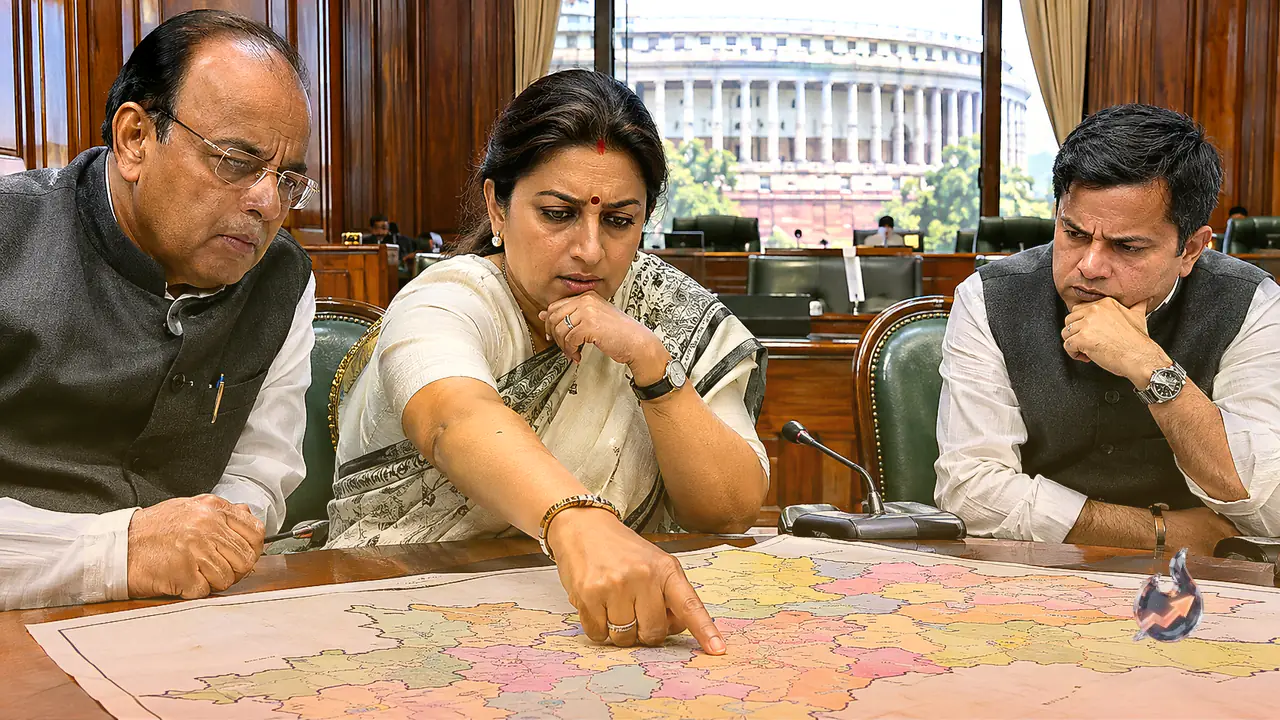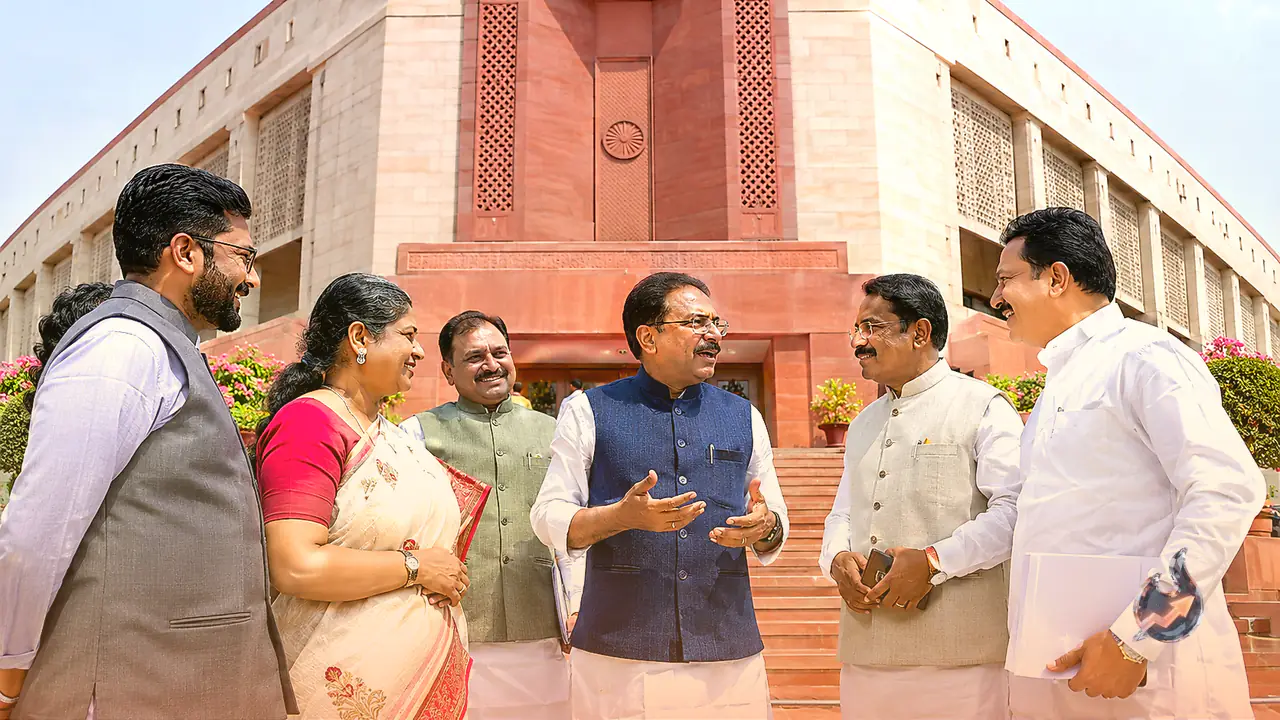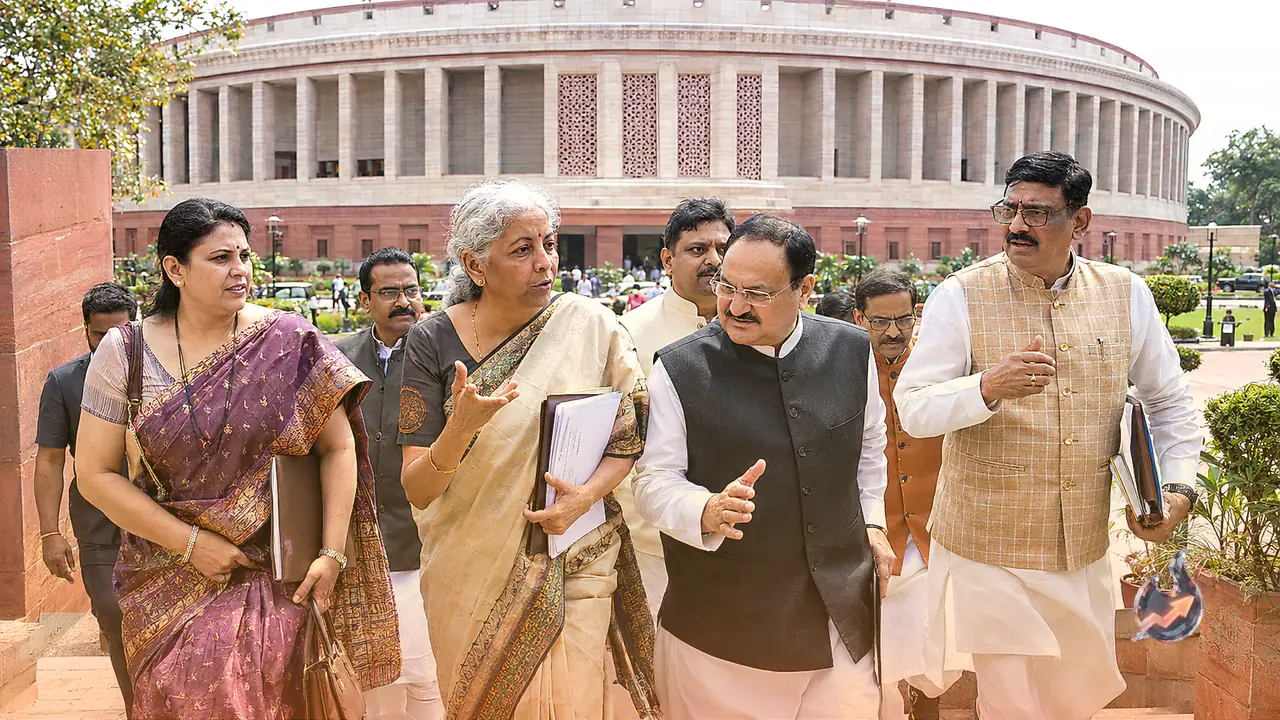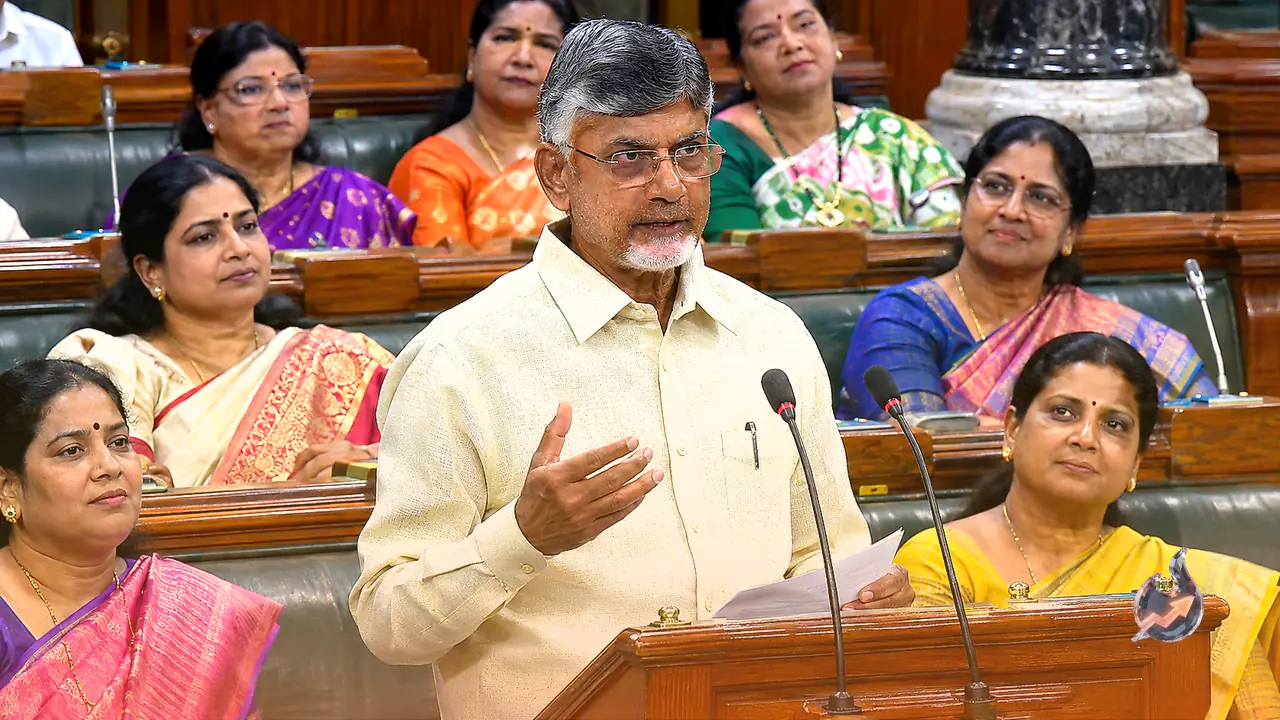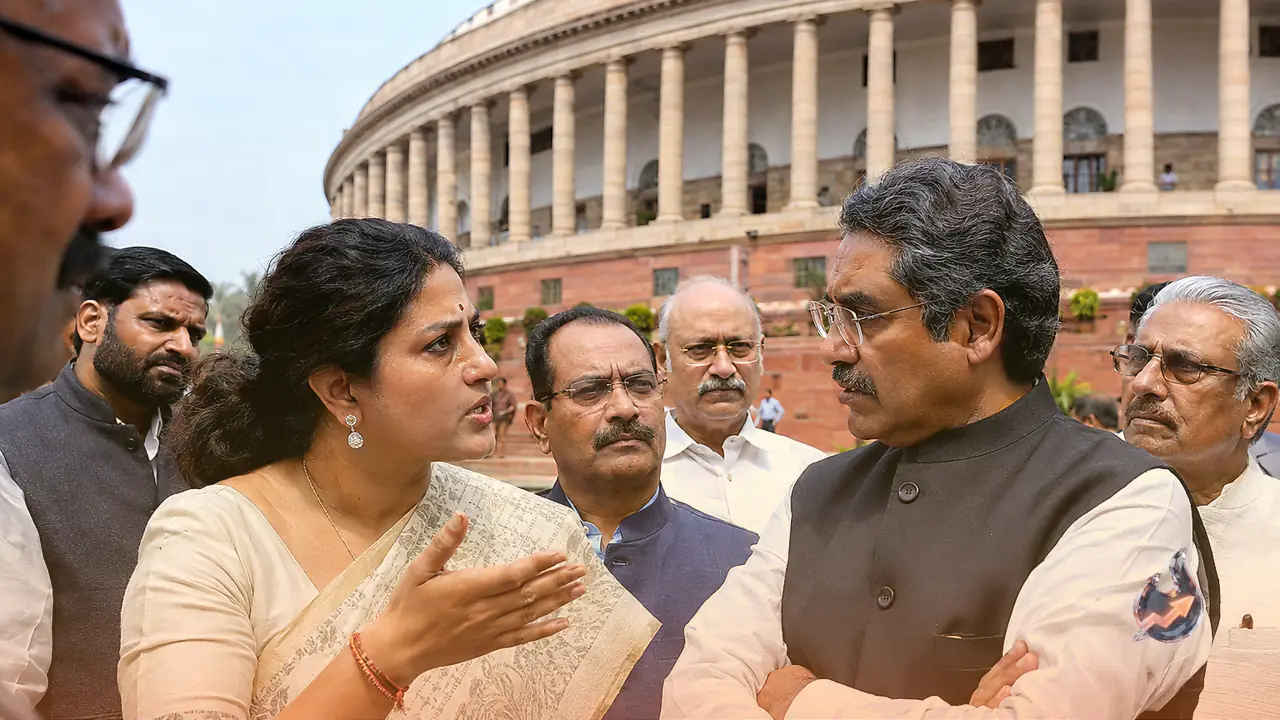

Political activity has reached a fever pitch ahead of the upcoming four-day special session of Parliament, centered around the proposed delimitation and women reservation bills. As the central government prepares to table these legislations, both the ruling alliance and opposition parties are sharpening their strategies. While the opposition has raised strong objections and set forth counter-demands, the ruling administration has defended the moves as historic steps toward inclusive democracy and women empowerment.
Opposition Stance and INDIA Alliance Strategy
A high-level meeting of opposition leaders took place at the New Delhi residence of Congress President Mallikarjun Kharge, featuring Leader of Opposition in the Lok Sabha Rahul Gandhi alongside other key figures. The alliance formulated a unified stance, placing three primary demands before the administration, including maintaining the current strength of the Lok Sabha and implementing the women reservation quota based on the existing 543 seats. Opposition leaders also expressed deep concerns regarding the representation of Scheduled Castes and Scheduled Tribes under the proposed constitutional amendments.
Prominent Voices and Diverse Reactions
Lyricist and writer Javed Akhtar raised critical questions about the intersection of population planning and the delimitation exercise, pointing out potential disparities across regions. Other prominent political figures, including Kapil Sibal, alleged that the legislative push aims at long-term political advantage rather than immediate necessity. Conversely, senior leaders like Home Minister Amit Shah and Uttar Pradesh Chief Minister Yogi आदित्यनाथ strongly backed the measures, with Shah terming the inclusion of women a historic fulfillment of a long-standing promise and urging unanimous parliamentary support.
DMK Alignment and Regional Dynamics
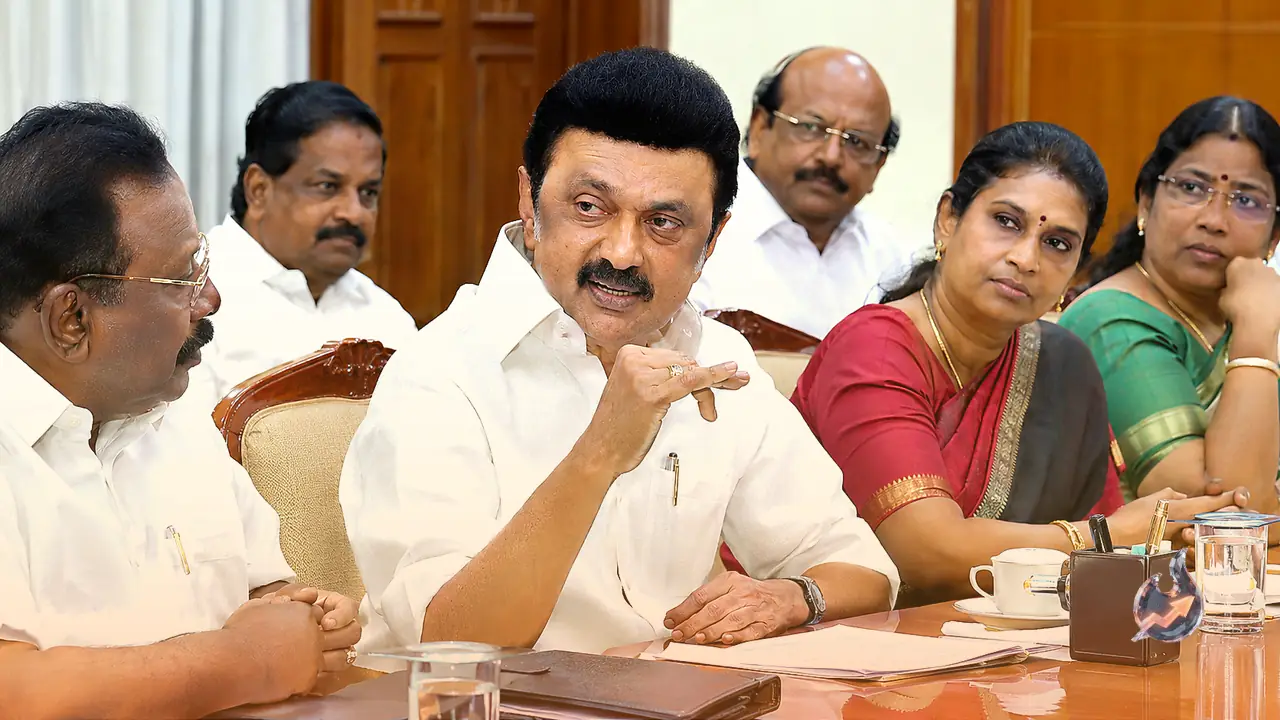
The internal cohesion of the opposition alliance faced questions following reports indicating that the DMK decided to support the delimitation framework. DMK chief and Tamil Nadu Chief Minister M.K. Stalin defended the decision, describing it as a victory for southern states after key demands were addressed in the revised framework. Despite differing internal perspectives within regional factions, opposition parties continue holding consultations to coordinate their parliamentary strategy ahead of the upcoming debates.
Parliamentary Proceedings and Floor Management
Union Parliamentary Affairs Minister Kiren Rijiju emphasized that the special session was convened following all established procedures, appealing to all members to ensure smooth proceedings and meaningful debates on the legislative agenda. Parties like the Trinamool Congress have issued strict whips instructing their parliamentarians to remain present during the sessions. With critical votes and discussions scheduled, the political landscape remains intensely focused on how the parliamentary floor test will unfold.