





















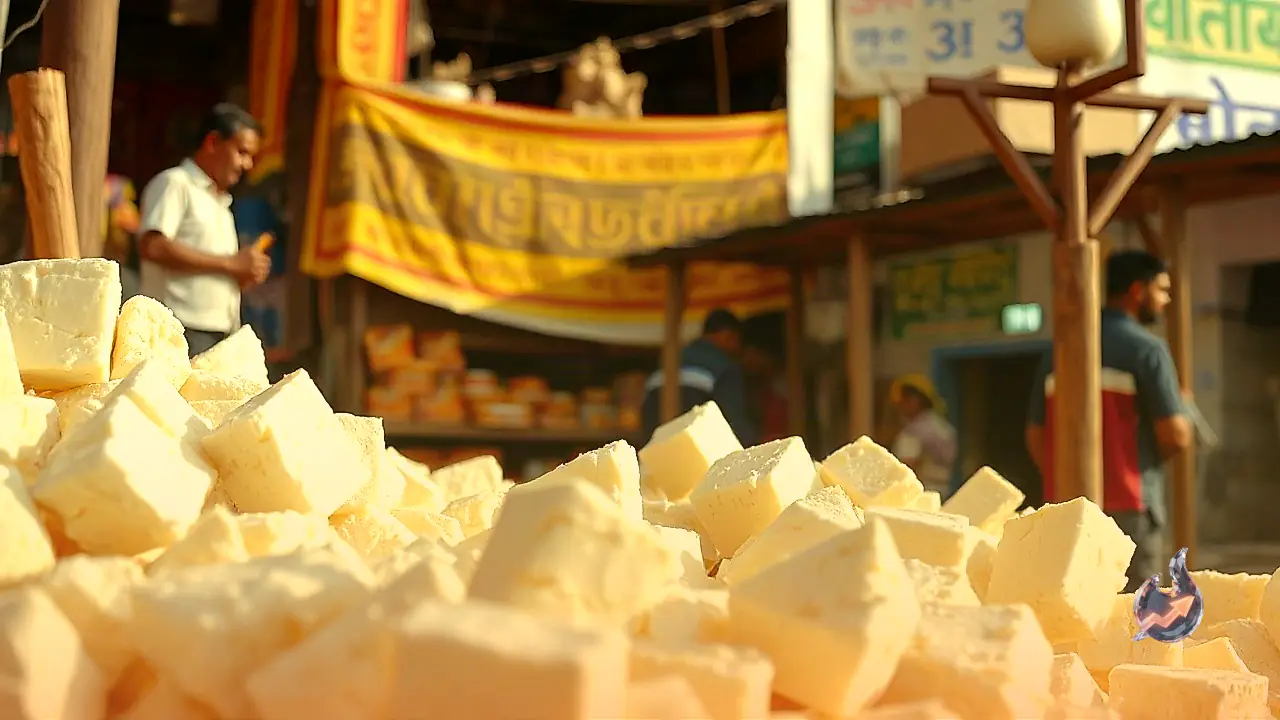

When purchasing paneer from the local market, judging its quality merely by its bright white color and price tag can prove to be a serious mistake. Identifying adulterated or synthetic paneer has become vital, as improperly prepared varieties can pose significant health hazards. According to Gorakhpur food department AC Sudhir Singh, continuous crackdowns are underway against individuals manufacturing and selling fake paneer, with suspicious stocks being seized during raids across multiple locations.
Simple Ways to Check Paneer Quality at Home
Initial checks on paneer can easily be performed right at home after a purchase. If the paneer appears excessively glossy or abnormally white, caution is warranted. Placing a small piece of the paneer on the tongue can also reveal its authenticity; if it leaves a bitter or strange taste, consuming it should be avoided. Additionally, pressing the paneer by hand helps evaluate its texture. Normal paneer possesses a distinct soft texture due to milk proteins and fats, whereas a product that feels rubbery, unusually rigid, or crumbles instantly tends to be suspicious.
Using Iodine Tests to Detect Starch Content
To check for starch adulteration in paneer, the iodine test is frequently utilized. When a few drops of an iodine solution are applied to a small piece of paneer, a color change to blue or bluish-black strongly indicates the presence of starch. While such domestic testing offers quick relief and initial screening, definitive verification ultimately requires testing at an accredited food laboratory.
Materials Used in Manufacturing Adulterated Paneer
Gorakhpur food department AC Sudhir Singh explains that investigative findings regarding suspicious products reveal the use of milk powder, refined oil, soy-based ingredients, and various other adulterants to fabricate fake paneer. In certain instances, substances like detergents, soapnut, or other non-food materials have also come to light. However, it is not necessary for every batch of fake paneer to contain all of these components simultaneously.
Health Risks Posed by Non-Food Additives
According to health experts, the inclusion of non-food items such as detergents, hydrogen peroxide, or industrial dyes in food products creates severe food safety risks. Consequently, consuming suspicious paneer is strongly discouraged under any circumstances. When shopping, consumers should look beyond just the color; abnormal whiteness, a bitter taste, a strange odor, a rubbery texture, or an unusually low price point are all warning signs. Whenever doubt arises, discarding the suspicious paneer is the safest course of action.