






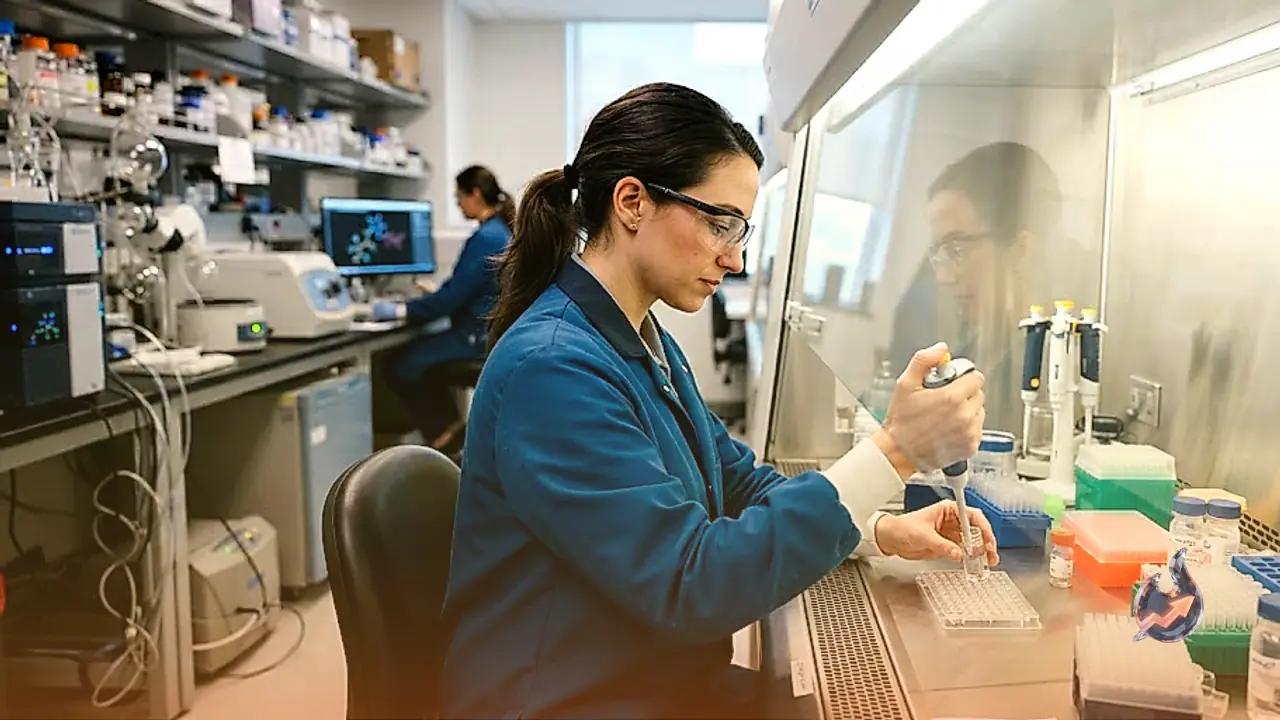

















Scientists in India have achieved a significant breakthrough in cancer research by developing a novel smart drug designed to destroy tumor cells without causing harm to healthy tissues in the body. The research team, led by Dr. Asis Bala from the Institute of Advanced Study in Science and Technology, an autonomous institute under the Department of Science and Technology, alongside Dr. KP Bhabak from the Indian Institute of Technology Guwahati, has created a targeted compound known as RK-251. This development offers a promising alternative to traditional chemotherapy, which often inflicts severe damage on normal cellular structures during treatment.
How Cancer Cells Evade Conventional Medical Treatments
The human body is composed of trillions of cells that normally maintain a uniform, structured shape and function in harmony. However, when a normal cell undergoes malignant transformation into a cancer cell, its underlying genetic structure and DNA become corrupted. This cellular alteration results in highly irregular, distorted, and abnormal physical shapes. Unlike healthy cells, cancer cells reproduce at an extraordinarily rapid rate, quickly aggregating to form aggressive tumors. In doing so, these malignant cells actively deprive surrounding healthy cells of essential nutrients, leading to the destruction of healthy body tissues. Furthermore, cancer cells exhibit high adaptability and evasiveness, frequently altering their characteristics to shield themselves from standard therapeutic medications.
Limitations of Chemotherapy and the Development of Targeted Therapies
For decades, conventional chemotherapy has remained one of the primary modalities for treating cancer. However, traditional chemotherapeutic agents operate non-selectively. While attempting to eradicate tumor cells, these medications simultaneously destroy neighboring healthy cells. The unintended destruction of vital healthy tissues results in significant adverse effects and severe side effects for patients undergoing treatment. To overcome these critical limitations, researchers have focused on developing targeted therapy systems. The objective of targeted therapy is to engineer therapeutic agents that remain completely dormant and inactive when moving through normal, healthy tissues, while selectively activating only after penetrating the internal environment of a tumor.
The Molecular Mechanism of the Smart Molecule RK-251
The newly engineered molecule, RK-251, leverages a specific metabolic vulnerability of cancer cells to achieve precise targeting. Cancer cells typically generate significantly elevated levels of Reactive Oxygen Species, also known as ROS, which are chemically reactive and potentially harmful molecules. The design of RK-251 takes advantage of this chemical environment. When RK-251 enters a cancer cell, the high concentration of ROS acts as an internal trigger that activates the drug formulation. Upon activation, RK-251 releases a potent anti-cancer compound called NBDHEX. This released compound functions by inhibiting specific target proteins that cancer cells rely on to absorb nutrients and sustain their survival. By cutting off these essential survival proteins, the drug effectively starves and eradicates the malignant cells from within.
Preclinical Evaluation, Zebrafish Testing, and Publication
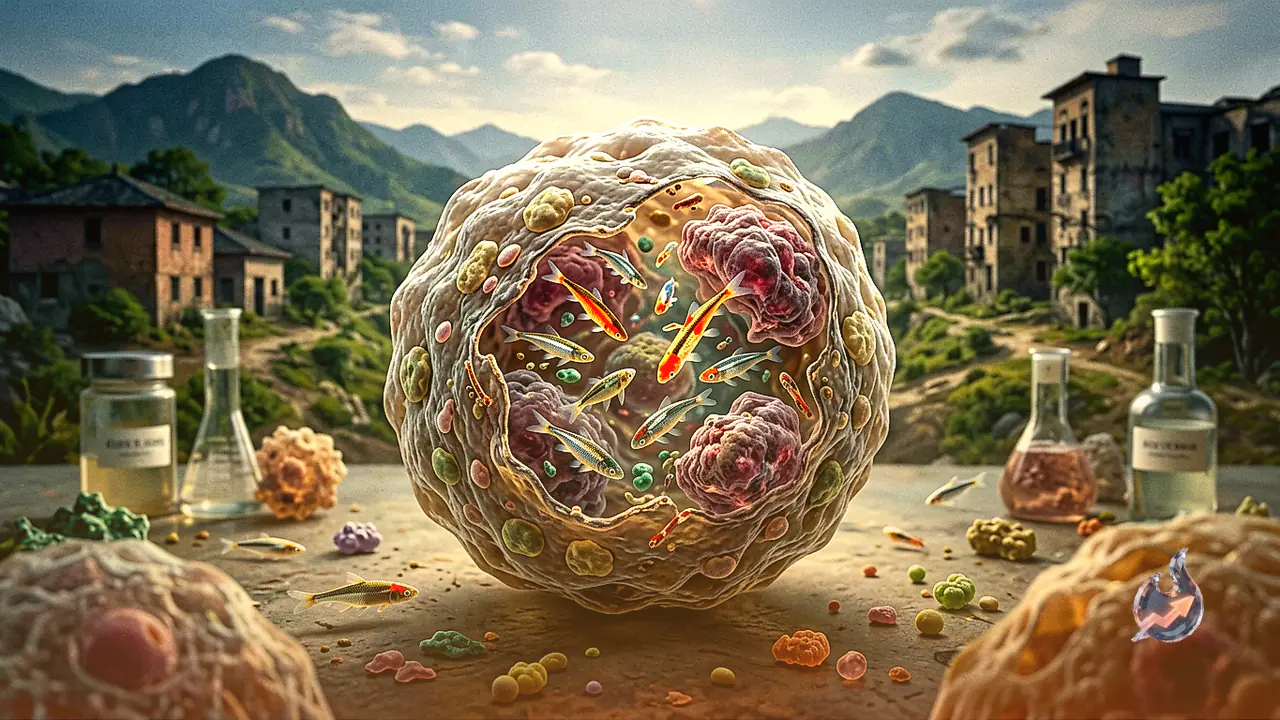
In laboratory studies, RK-251 demonstrated powerful therapeutic efficacy against aggressive triple-negative breast cancer cells while leaving non-cancerous healthy cells unharmed. The safety and activation dynamics of the drug were further tested in zebrafish models. During these tests, the compound exhibited no signs of toxicity and displayed the expected fluorescent signaling in the presence of Reactive Oxygen Species, confirming that the drug activates specifically under targeted conditions. The complete findings of this collaborative study have been published in the Journal of Medicinal Chemistry. The research team notes that while these preclinical outcomes are highly encouraging, further extensive studies and validation steps will be necessary before the technology can proceed to human clinical trials.