























While the monsoon season provides much-needed relief from scorching summer heat, the accompanying high humidity and persistent moisture create significant challenges for skin health. Prolonged sweat accumulation on the body drastically increases the risk of skin ailments such as ringworm, intense itching, and fungal infections. Areas of the body where moisture and sweat remain trapped for extended periods are particularly vulnerable to microbial outbreaks. Greater Noida-based cosmetologist and aesthetics specialist Dr. Lalit Kasana has shared crucial preventive measures and hygiene practices to protect skin during the rainy season.
Primary Triggers Behind Fungal Infections During Monsoon
The combination of elevated atmospheric humidity and continuous body sweating during the rainy months produces an ideal breeding environment for fungal organisms. High ambient moisture prevents sweat from evaporating efficiently from the skin's surface. Specific regions such as the groin, inner thighs, armpits, and under-breast skin folds trap moisture for prolonged durations. Limited air circulation in these body folds allows fungal spores to germinate rapidly and establish localized infections.
According to Dr. Lalit Kasana, simply bathing with water is insufficient during this season; ensuring that the skin is completely dry after washing is the most vital step. Even minimal moisture left on the skin can serve as a catalyst for bacterial and fungal proliferation. Consequently, maintaining absolute dryness alongside regular hygiene is essential throughout the monsoon period.
Risks of Sitting Before Air Conditioners in Sweaty Clothes
Experiencing heavy sweating after outdoor work or physical exertion is completely natural during humid weather. However, many individuals commit a critical mistake upon returning home by sitting directly in front of air conditioners or coolers while still clad in sweat-drenched garments. Although the cold airflow offers immediate physical comfort, it proves highly detrimental to skin health.
Cool air rapidly dries sweat on the skin's outer layer, but leaves trapped salts, dirt, and bacteria inside skin pores. Furthermore, remaining in damp clothing creates continuous friction against the skin, accelerating fungal development. Rather than immediately sitting under cooling appliances, individuals should promptly change out of wet clothes, wash their body with clean water, and dry themselves thoroughly.
Hygiene Rules for Personal Garments and Underclothing
Maintaining rigorous personal hygiene serves as the strongest defense against fungal skin infections during the monsoon. Individuals prone to excessive sweating should adopt the practice of bathing twice daily. Wearing clean, completely dried clothing is mandatory, as damp or unwashed clothes act as direct invitations for fungal growth.
Undergarments require meticulous care and daily replacement. They should be thoroughly washed and completely dried in sunlight or well-ventilated areas before reuse. Wearing damp underclothing frequently leads to ringworm and severe itching around the groin area. Additionally, if a family member is suffering from a fungal infection, personal items such as towels, clothing, and soap should never be shared with others.
Dangers of Self-Medication and Homemade Remedies
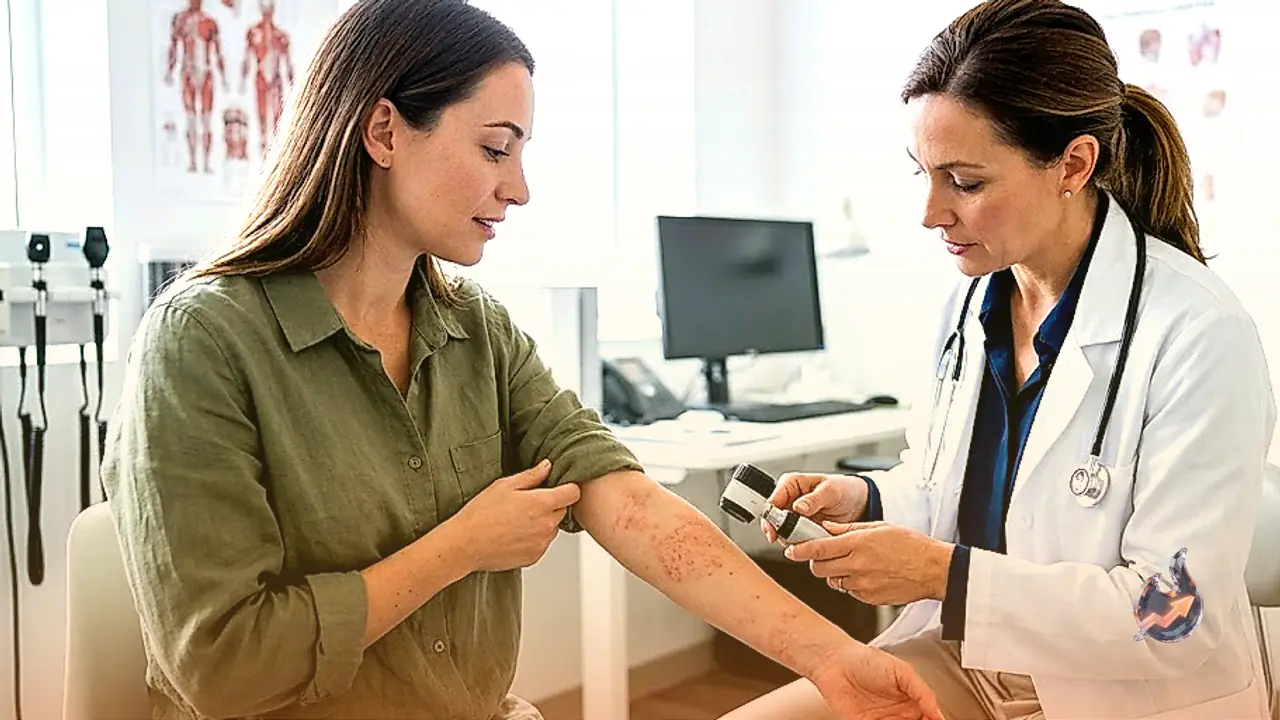
Upon noticing skin redness or itching, many people resort to self-medication by purchasing over-the-counter steroid creams. Expert Dr. Lalit Kasana warns that this approach is dangerous. Many non-prescription creams contain ingredients that temporarily suppress visible symptoms while allowing the underlying infection to penetrate deeper into the skin layers. Once application stops, the infection often resurfaces with increased severity.
Similarly, applying raw household ingredients like turmeric, ginger, or neem paste directly onto infected skin can trigger severe burning, irritation, and allergic reactions on sensitive skin tissue. Scratching infected skin with fingernails must also be strictly avoided, as it breaks the skin barrier, creates open wounds, and spreads fungal spores to uninfected body parts. Persistent, spreading, or recurrent infections warrant immediate consultation with a qualified dermatologist.
Hydration Needs and Summary of Monsoon Skin Protection
Maintaining proper internal hydration remains essential during the monsoon season. Cooler temperatures often lead people to reduce their fluid intake, yet the body continues to expel toxins through sweat. Consuming adequate water supports natural skin balance and flushes out metabolic waste. Because individual fluid requirements vary based on age, physical activity, weather conditions, and health status, one should regularly drink fluids according to bodily thirst cues.
In summary, preventing monsoon fungal infections relies on a simple rule: do not permit sweat and moisture to remain on the skin for extended periods. Practice regular hygiene, wear thoroughly dried garments, refrain from scratching, and seek expert medical guidance rather than attempting self-treatment when skin issues arise.