























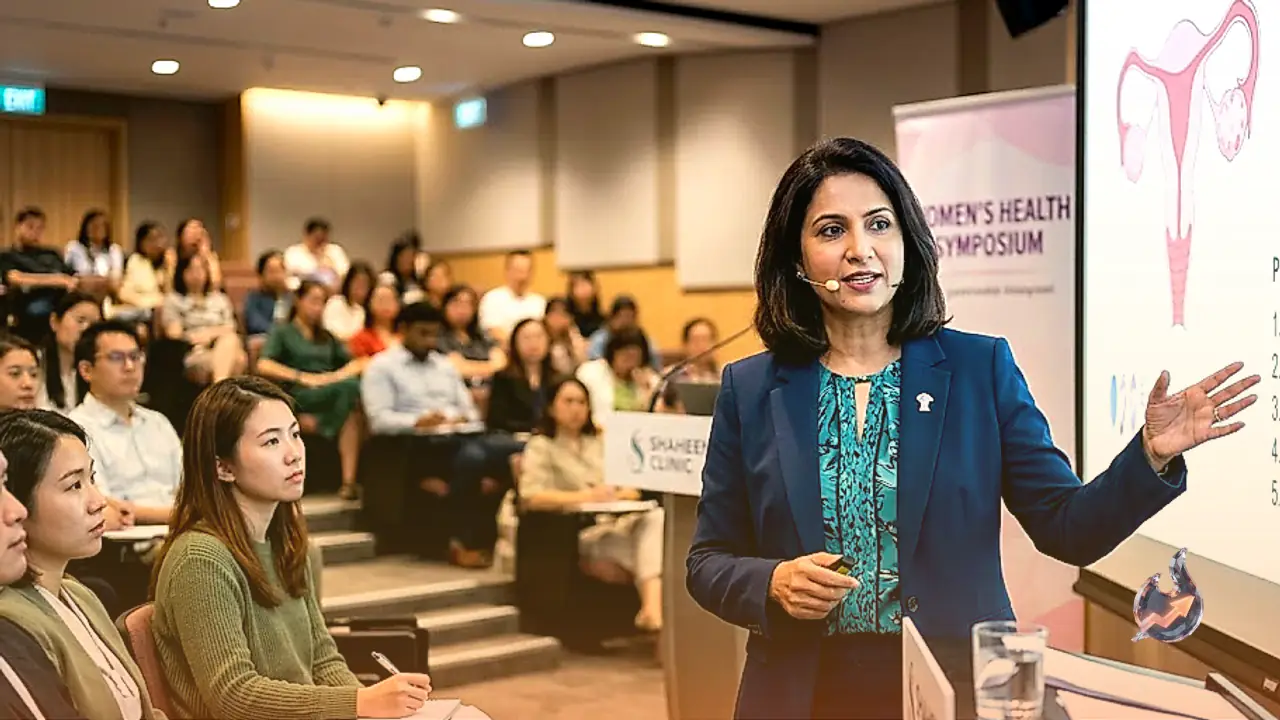

Sedentary routines, nutritional neglect, and delaying marriage have emerged as major contributors to female fertility issues. Minor reproductive complications that go unaddressed often evolve into prolonged infertility. According to Dr Shaheen Khan, a specialist at Shaheen Clinic in Mau, medical practices are witnessing a sharp uptick in women struggling to conceive. The primary drivers behind this trend include late marriage and an overall disregard for balanced eating and physical wellness. Many women fail to maintain an active lifestyle or prioritize their physical health, resulting in rapid weight gain and obesity, which subsequently compromise reproductive capabilities.
Fast Food Habits And Subsequent Hormonal Imbalances
Younger women frequently overlook the adverse consequences of frequent fast food and junk food consumption. A diet loaded with oily and processed foods damages internal metabolism, while an absence of routine physical activity further aggravates bodily functions. Dr Shaheen Khan points out that this combination triggers early complications that eventually culminate in infertility. The presence of small cysts or fibroids within the ovaries severely impedes natural conception. When left unmanaged, these minor growths progressively escalate into deeper physiological obstacles.
Navigating PCOD, Thyroid Complications, And Ovarian Cysts
When ovarian cysts expand in size, they provoke substantial hormonal disruptions that make getting pregnant exceedingly difficult. Women experiencing erratic hormonal fluctuations, PCOD, or thyroid disorders should immediately seek clinical evaluations. Initiating targeted medical therapy under the supervision of a qualified gynecologist ensures that the underlying dysfunction is corrected, allowing women to successfully conceive. Conversely, procrastination and negligence permit these disorders to worsen, elevating the risk of chronic reproductive failure.
Conception Challenges Beyond The Age Of 35
Maternal age plays a definitive role in reproductive wellness. Dr Shaheen Khan explains that when women postpone marriage and conception until after the age of 35, their ovulatory cycles decline significantly. A reduction in ovulation naturally curtails the chances of achieving a smooth pregnancy. Consequently, medical advice discourages postponing marriage to advanced ages, as late marriages stand out as a primary contributor to widespread infertility concerns.
Weight Management And Overcoming Severe Obesity
Excess body fat directly instigates severe hormonal imbalances, creating ongoing barriers to pregnancy. Weight gain serves as a foundational trigger for reproductive dysfunction, and failing to regulate body mass causes associated complications to multiply. Sustainable lifestyle modifications and strict dietary adjustments are essential to curbing obesity, thereby stabilizing vital hormonal levels required for regular reproductive health.
Early Diagnosis And Medical Care Enable Motherhood
For women facing challenges in conceiving, comprehensive diagnostic evaluations serve as the vital starting point. Medical tests accurately pinpoint whether the impediment stems from cysts, hormonal abnormalities, or nutritional deficits. Once the exact issue is diagnosed, personalized and timely medical treatment can resolve the condition entirely. Coupled with nutritious meals and an active routine, clinical interventions offer immense success. Permanent infertility remains remarkably rare, and undergoing proper medical care at the right juncture allows women to achieve motherhood without prolonged distress.