























For fans of survival horror adaptations, this new Resident Evil review (2026) highlights a long-awaited shift in tone and execution. Back in the 1996 debut video game, the horrifying degradation caused by the T-Virus was summed up by the chilling diary entry describing an infected man feeling itchy and craving flesh. That biological catastrophe has always been the central premise of the franchise, turning ordinary humans into ravenous, mutated monsters by dismantling their genetic code. Across seven earlier feature films, Hollywood struggled to capture the core appeal of the games, which revolved around surviving terrifying encounters with scarce resources, limited ammunition, and overwhelming hordes. Filmmaker Zach Cregger steps in to reset the cinematic board entirely, ditching previous baggage for a straightforward survival mission.
Rather than reviving Milla Jovovich's Alice from the previous movie timeline or relying on familiar protagonists like Leon Kennedy, this fresh entry cuts ties with messy backstory. The result is one of the most unapologetically gaming-centric adaptations seen on screen, capturing both the strengths and oddities of its digital origins.
Zach Cregger Strips Down to Pure Midnight Horror
Cregger approaches his material with the singular focus of an entertainer. His previous directorial efforts, Barbarian and Weapons, earned praise for their intricate, shifting perspectives and puzzle-like structures that carried audiences through unexpected narrative twists. In contrast, this project sees Cregger working in a remarkably direct mode. The plot moves cleanly from point A to point B as an unadorned survival journey that sets aside complex storytelling gimmicks.
This iteration plays out like a classic midnight genre flick, stringing together setpiece after setpiece where physical logic takes a back seat to gore and spectacle. While exploding anatomy and relentless practical effects deliver the exact visceral punch needed for a Friday night theater crowd, some viewers may notice the absence of the intricate narrative flourishes that defined the director's earlier works.
Tension Builds Outside Raccoon City
The film hits its stride early along a freezing roadway leading toward Raccoon City, immediately establishing a creeping sense of dread. What begins as a seemingly routine highway mishap escalates rapidly into a relentless sequence of terrifying situations. Cregger methodically works through classic horror mechanics, utilizing misdirection and sound design to keep tension high, turning every creaking floorboard and single remaining bullet into a matter of life and death.
The opening stretch stands out for how completely it pulls viewers into the protagonist's direct point of view. Through intense framing and first-person visual techniques, the director avoids relying on cheap jump scares, ensuring that when the real shocks arrive, they deliver a genuine physical jolt.
Austin Abrams Anchors the Chaos and Comedy
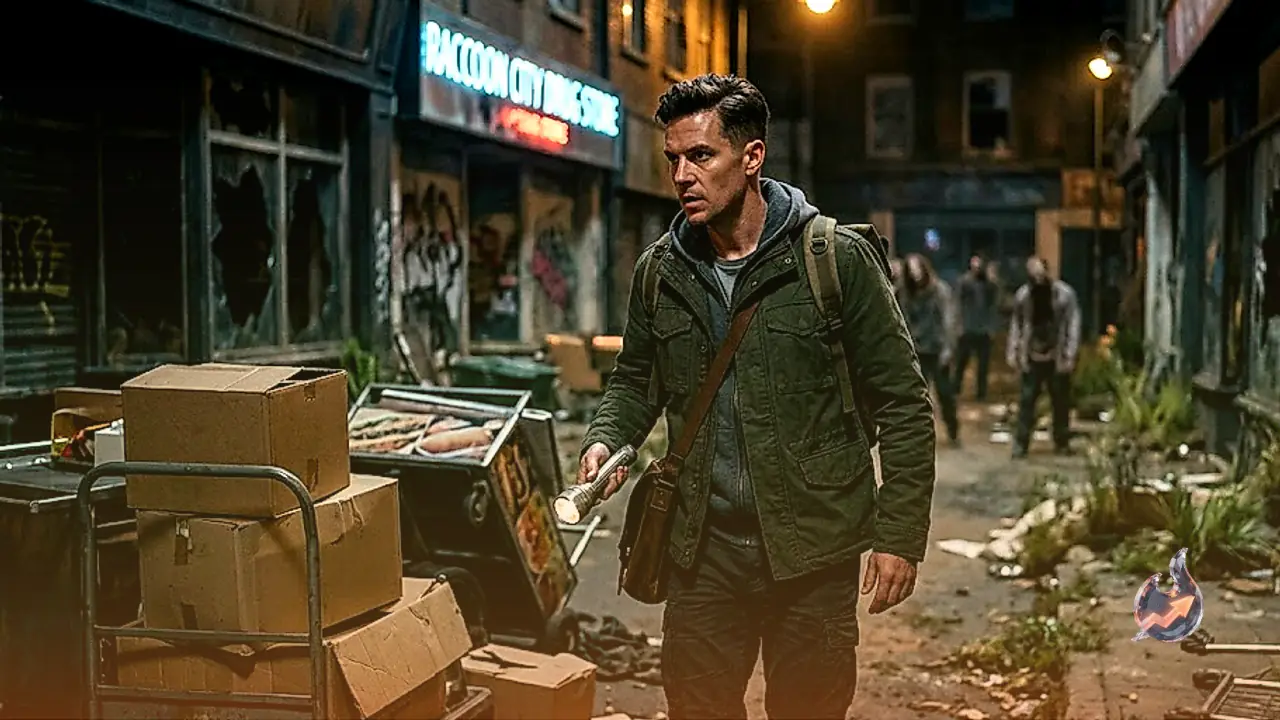
Once Raccoon City fully envelops the unlucky delivery courier Bryan, played by Austin Abrams, the pacing experiences some turbulence. The middle section stumbles as it leans heavily toward horror-comedy, tilting so far into humor that it occasionally threatens the stakes. Cregger does an impressive job translating gameplay systems into cinematic beats, turning Bryan's weapon upgrades and growing combat awareness into the visual equivalent of an unlocking skill tree.
However, the self-referential jokes sometimes push too far. When Bryan blurted out that his only gun proficiency comes from playing video games, the self-conscious humor briefly broke the immersion that the practical horror had worked hard to build. Fortunately, the third act recovers its balance by leaning into the unabashed campiness that has always defined the franchise.
Austin Abrams serves as the vital center that keeps the entire production grounded. Continuing his creative partnership with Cregger after Weapons, Abrams plays Bryan as an endearing, clumsy everyman who functions as the ultimate target for chaotic misfortune. Whether looking completely bewildered while gripping a shotgun, processing shock under layers of gore, or landing a punchline with natural timing, Abrams delivers a thoroughly committed performance.
Embracing the Core Identity of the Franchise
Ultimately, the film aligns closely with the franchise's historical identity, which has rarely been concerned with heavy thematic depth. The gaming series built its legacy on moments like punching boulders or delivering famously cheesy lines about nearly becoming a sandwich. Because of that heritage, the adaptation does not aim to provide deep philosophical resonance. Instead, it offers a tightly paced 90 minutes of entertainment that swings between tension and laughter, finally bringing the authentic spirit of the games to the cinema.