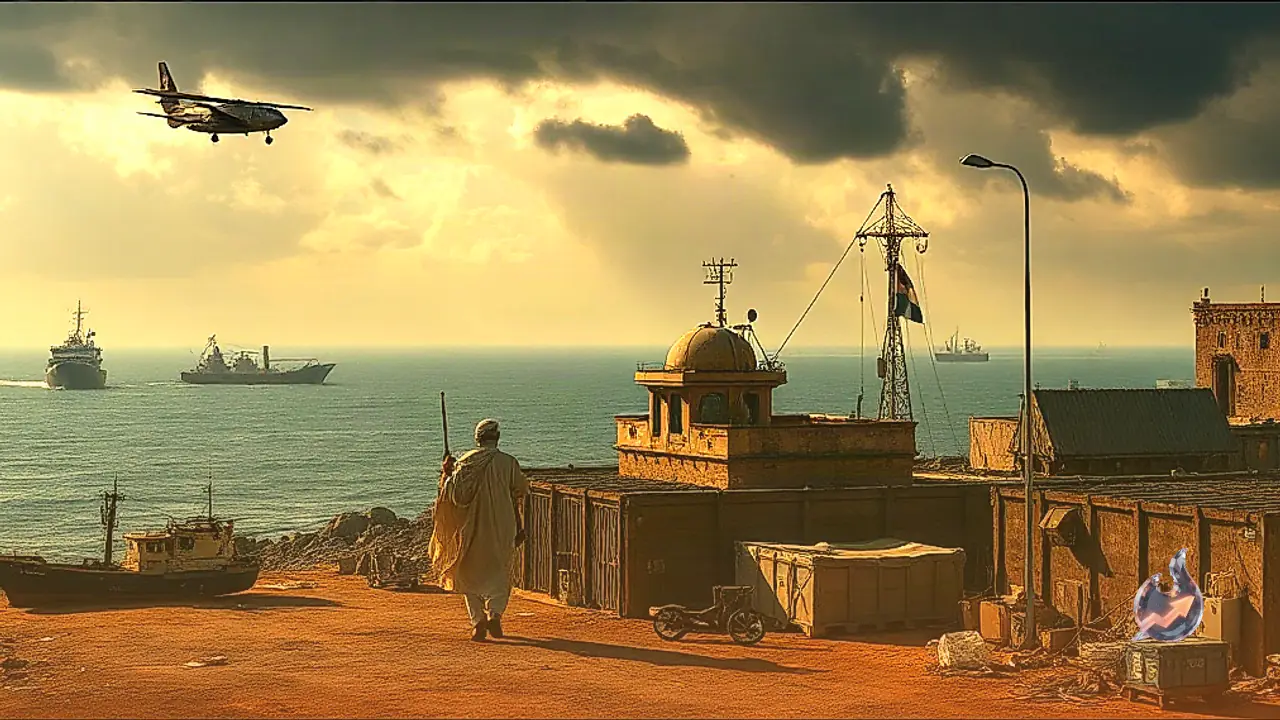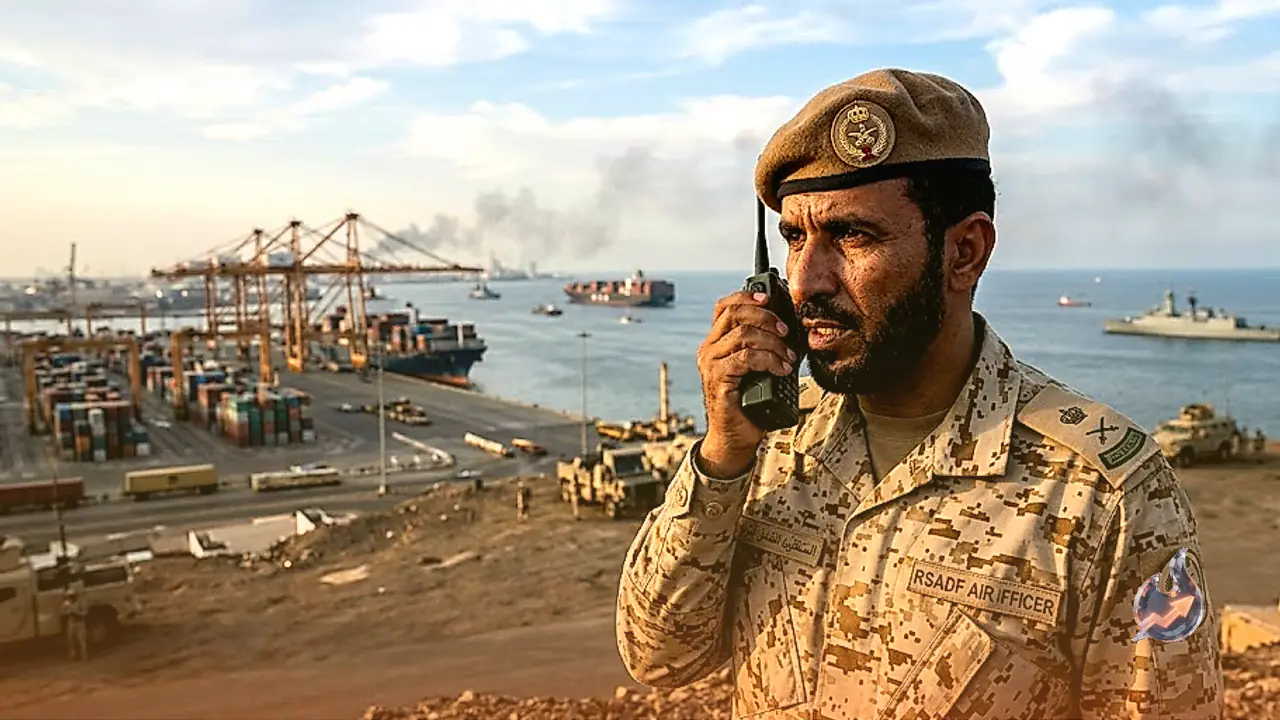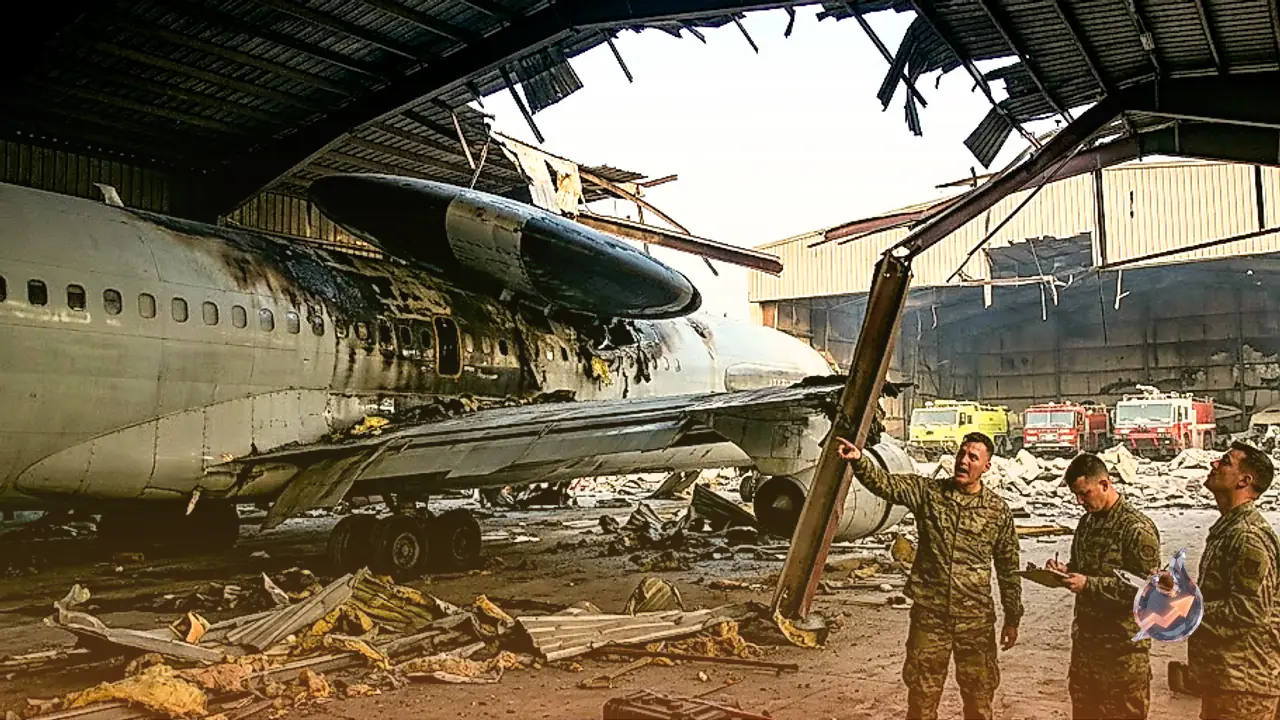

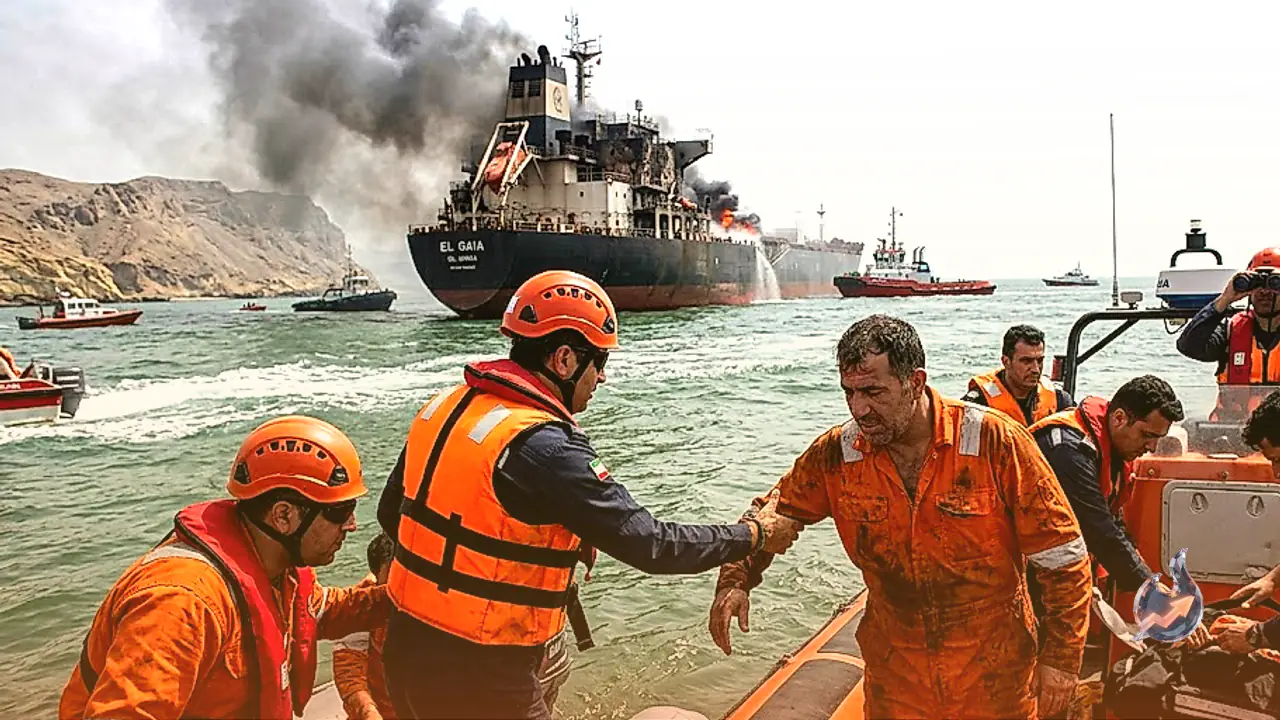





















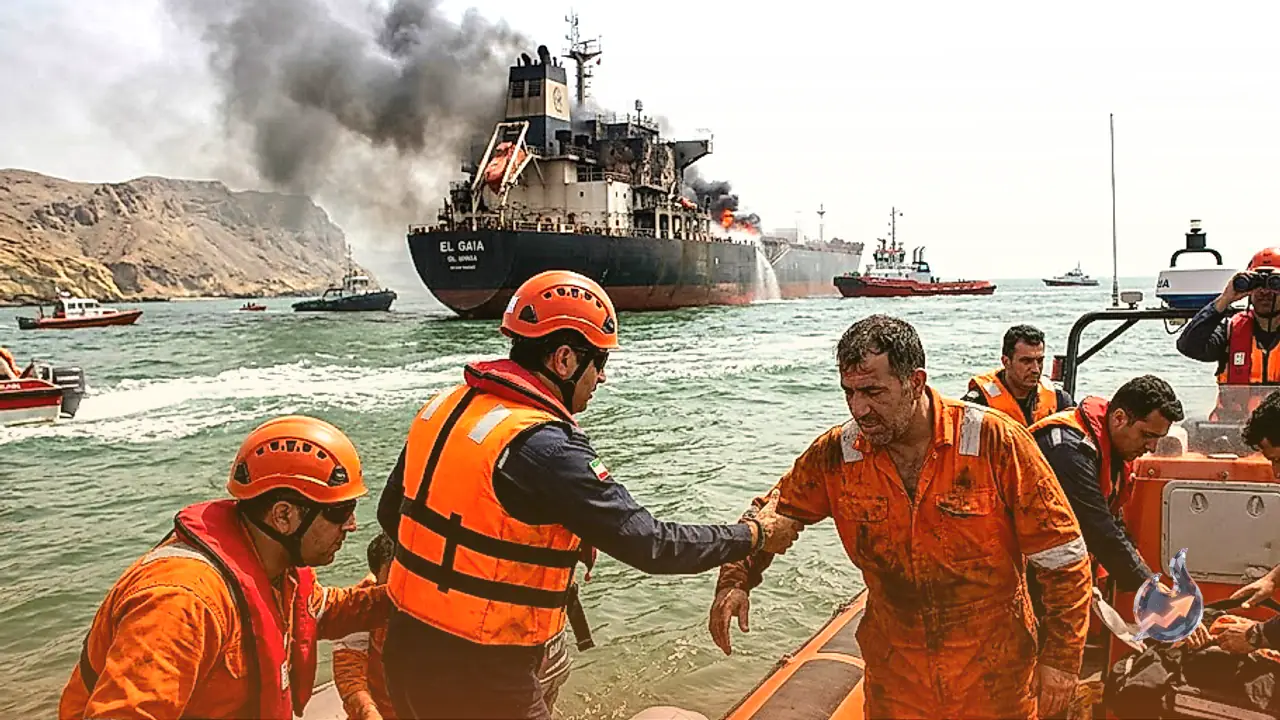

Oman's Maritime Security Centre has confirmed a major maritime incident in the Strait of Hormuz after a commercial oil tanker was targeted in an offshore strike. The attack sparked an intense blaze inside the engine room of the Panama-flagged tanker El Gaia, leaving two crew members missing while 23 others were safely evacuated. On Tuesday, response teams were towing the damaged vessel toward an Omani port for safety and assessment. Maritime authorities confirmed the incident occurred exactly 1.3 nautical miles (2.4km) north of the Musandam peninsula.
Contradictory Narratives Surrounding the Vessel Strike
The circumstances of the incident immediately triggered sharp geopolitical disputes across the region. On Monday, Iran's Revolutionary Guards claimed that the tanker caught fire after detonating naval mines while navigating what they characterized as an unauthorized and dangerous transit lane. Conversely, the US military firmly rejected the Iranian narrative as false, asserting that El Gaia had previously been struck by an Iranian missile last month and was targeted once again by an aerial drone over the weekend.
Spreading Commercial Maritime Incidents in the Chokepoint
The safety of commercial navigation across the strait continues to deteriorate amid overlapping encounters. The UK Maritime Trade Operations centre disclosed that it had received distress alerts regarding an onboard fire on a commercial vessel after an unknown projectile struck it during the early morning hours of Sunday. Similar friction emerged over another vessel, the Sidr. While the Revolutionary Guards maintained that the Sidr ignited after hitting a naval mine, Saudi authorities countered that Iran had deliberately targeted it, backed by maritime security firms confirming projectile impacts north of Musandam.
Mounting Human Toll and Global Supply Chain Disruption
Data from the International Maritime Organization reveals that at least 22 seafarers have lost their lives across 79 confirmed maritime incidents in the Strait of Hormuz and surrounding Middle Eastern waters since the war between the US, Israel, and Iran erupted at the end of February. The strategic waterway typically carries one-fifth of the entire world's petroleum and liquefied gas shipments. However, commercial traffic has ground to a virtual halt under relentless missile and drone barrages alongside a strict US naval blockade sealing off Iranian ports.
Diplomatic Breakdown and Disputes Over Navigation Routes
Efforts to stabilize the passage briefly materialized in June when the US and Iran negotiated a preliminary agreement designed to halt hostilities and restore commercial transit through the strait. That diplomatic framework collapsed within weeks as strikes against commercial vessels resumed and Washington reimposed its naval cordon. Tehran continues to insist that it will retain operational influence over the maritime corridor, routinely striking tankers that seek to bypass Iranian waters by navigating along the southern route through Omani jurisdiction.