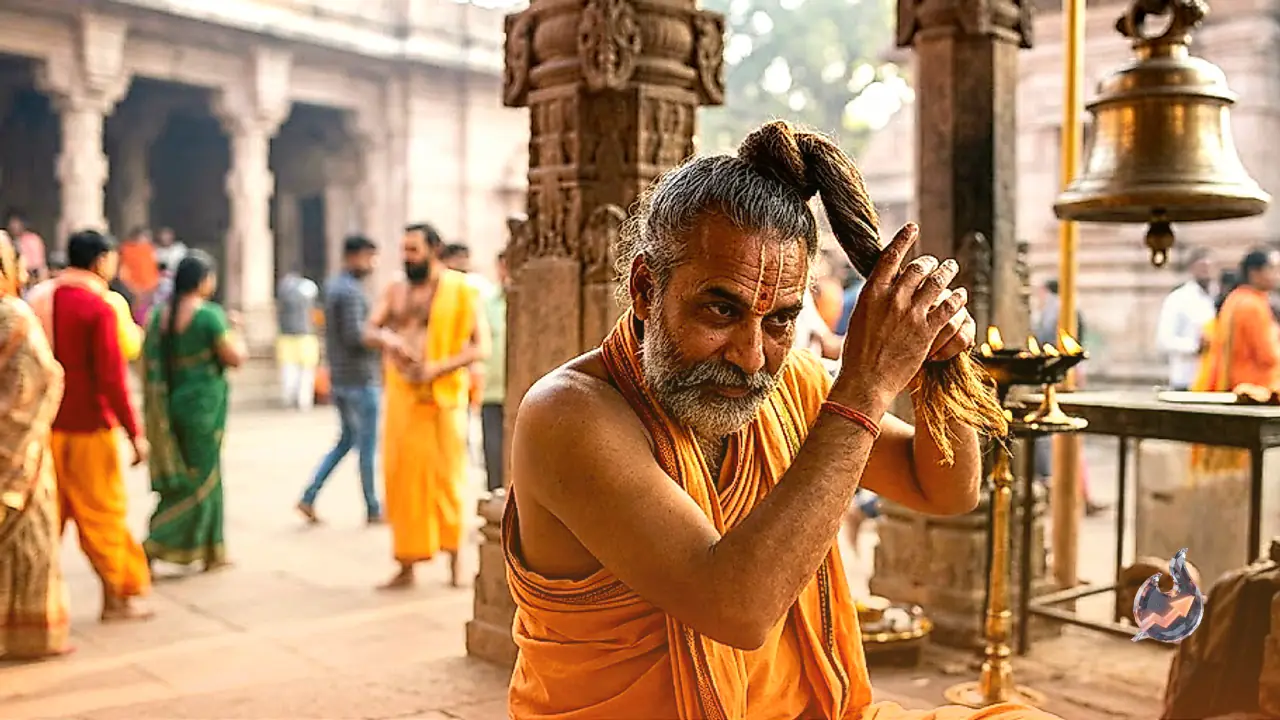























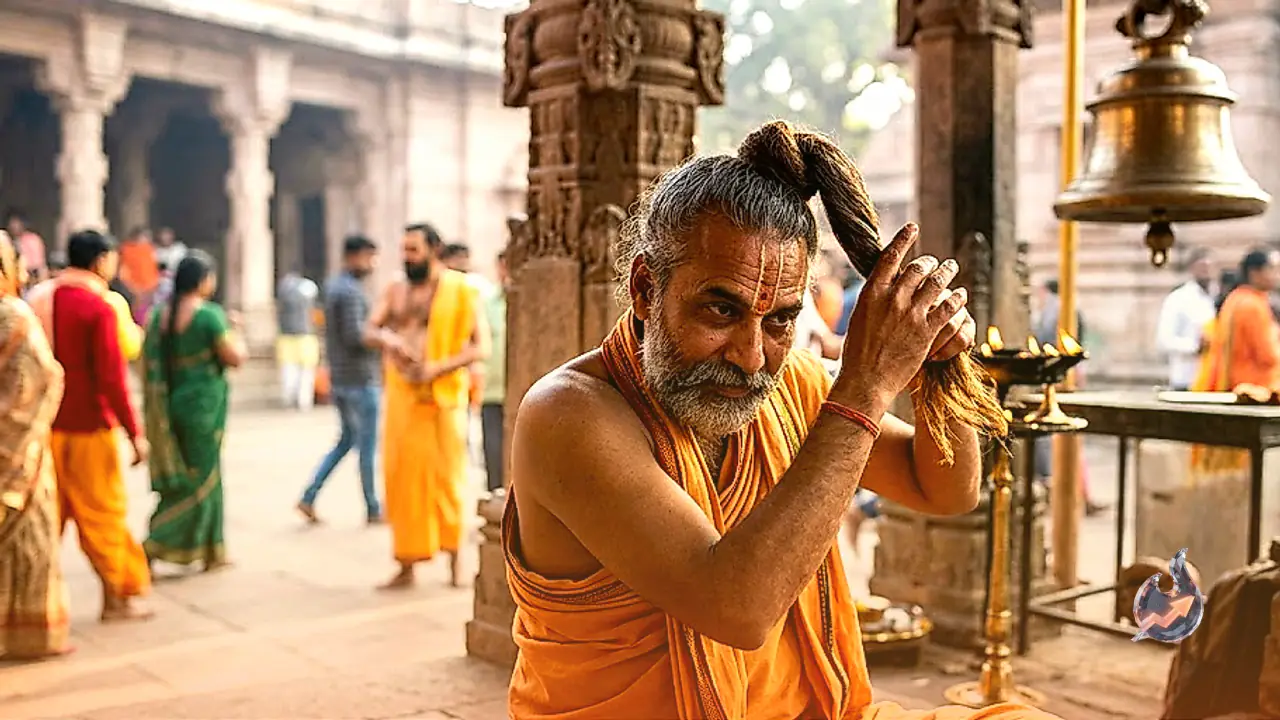

Within the ancient Sanatan tradition, the practice of maintaining and tying a tuft of hair at the crown of the head, traditionally known as a shikha, represents far more than an external mark of faith. It stands as an enduring emblem of self-restraint, academic devotion, and conscious acceptance of social responsibilities. From Vedic times through antiquity and into modern days, the shikha has continuously served to remind the practitioner that personal conduct must align with acquired knowledge. The entire routine of securing this hair knot is consecrated through the chanting of specific mantras, grounding the individual in ethical conduct, disciplined living, and continuous devotion to societal well-being every single day.
Vedic Mandates and the Acceptance of Social Accountability
Classical scriptures, encompassing the Vedas, Grihyasutras, Dharmasutras, and Smritis, explicitly designate the shikha as an indispensable facet of daily religious life, particularly within the scholarly Brahmin tradition. Ancient texts such as the Apastamba Grihyasutra, Manusmriti, and Baudhayana Dharmasutra cite the wearing of a shikha as a visible public affirmation of adherence to dharma. This physical mark was never intended merely for cosmetic differentiation. Rather, it signified that the bearer had willingly accepted a disciplined life defined by intensive study, emotional temperance, strict self-control, and moral responsibility toward the larger community. In historical times when intellectual rigor and public character constituted a scholar's true wealth, the shikha served as the anchor of personal integrity and communal respect.
The Symbolism of an Ideological Banner and Moral Discipline
In classical scriptures, the shikha is compared to a sovereign banner or flag. Just as an emblem represents the sovereign prestige, principles, and identity of a state or institution, the shikha symbolizes a spiritual seeker's ethical boundary, inner resolve, and commitment to righteousness. Securing the hair while reciting sacred mantras serves as an active psychological anchor, reminding the person that life must remain dedicated to knowledge, contemplation, and universal welfare. Consequently, this simple physical observance came to embody the highest standards of mental discipline and personal restraint.
Norms Governing Tying and Untying the Shikha
Under customary conditions, leaving the shikha untied is strictly discouraged within the tradition. Ancient scriptural guidelines provide for only two exceptional contexts wherein the tuft may remain open
- Periods of mourning: Following a bereavement or profound tragedy, keeping the hair loose signifies emotional withdrawal, renunciation of ordinary worldly engagements, and deep contemplation of life's transient nature.
- Solemn oaths and defiance: The hair is left untied during moments of resolute determination, active protest, or monumental struggle. The most renowned historical instance remains that of Acharya Chanakya, who famously untied his shikha after enduring severe humiliation in the Nanda court. His open hair became a visible declaration of unyielding vengeance and moral resolve until the despotic rulers were completely overthrown.
Sahasrara Chakra and the Preservation of Vital Energy
From an esoteric anatomical and yogic perspective, the precise placement of the shikha carries tremendous spiritual significance. It rests directly over the apex of the skull, a region identified in classical yoga and tantra as the Sahasrara Chakra. This energetic vortex is traditionally regarded as the center of higher consciousness, discernment, and spiritual awakening. Tying the shikha over this sensitive focal point symbolizes the safeguarding and containment of vital psychic energy. Yogic practitioners maintain that gathering the hair at this specific intersection facilitates mental clarity, sharpens analytical concentration, and shields the crown from scattered psychological impulses.
Scientific Perspectives and the Pineal Gland
When evaluated through modern biological frameworks, the anatomical position directly beneath the crown corresponds to the pineal gland. This tiny endocrine organ plays an instrumental role in managing circadian rhythms, producing sleep-regulating hormones, and sustaining biological equilibrium within the human body. Ayurvedic and yogic scholars have long observed that appropriately binding hair around this sensitive vertex prevents erratic temperature shifts and undue pressure, thereby aiding sustained cognitive focus during meditation and scholarly pursuits. While contemporary medical science does not classify the practice as a direct clinical intervention, it validates the psychological benefits of structured meditative routines, mindfulness triggers, and deliberate physical disciplines on mental wellness and emotional regulation.
The Sacred Rite of Shikha Bandhan
The ritualistic act of binding the hair knot is traditionally designated as Shikha Bandhan. This sacred practice is typically observed before commencing vital spiritual and intellectual tasks, including daily Sandhya Vandanam, sacrificial fire rituals, formal worship, or intensive study sessions. Reciting dedicated mantras during this observance serves to quiet the mind, anchor wandering thoughts, and orient the seeker toward higher intellectual and spiritual duties.