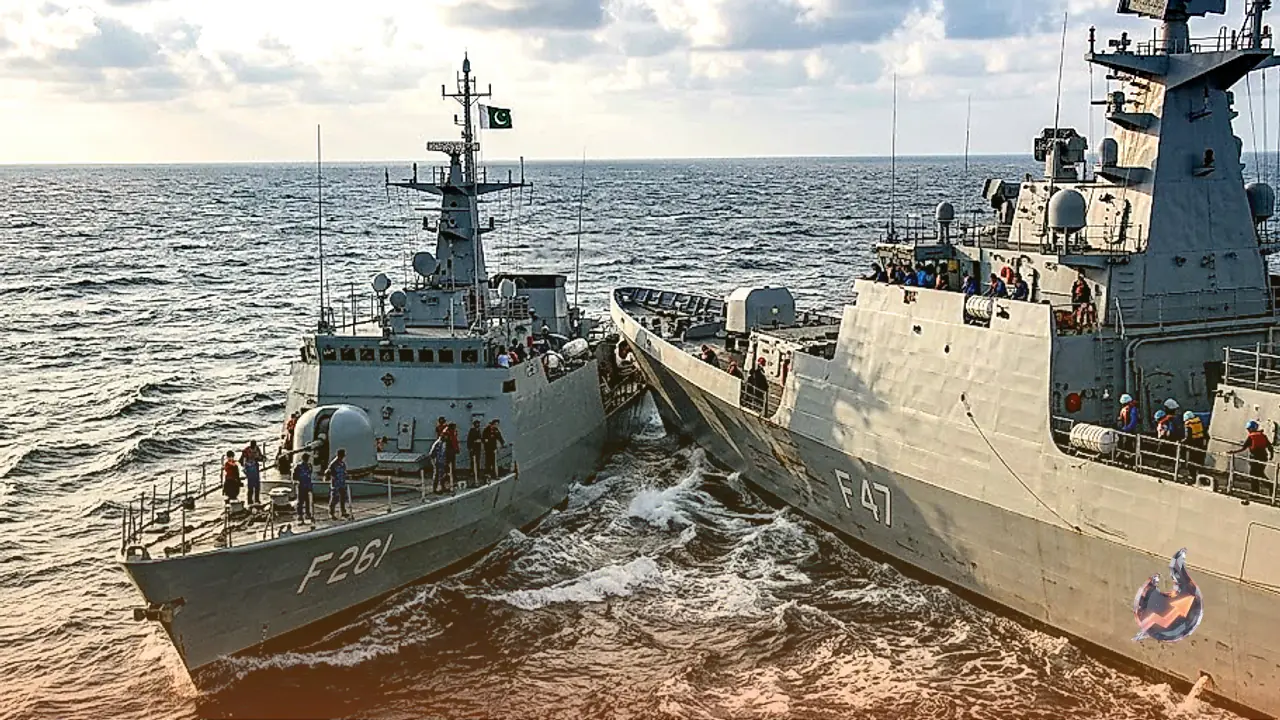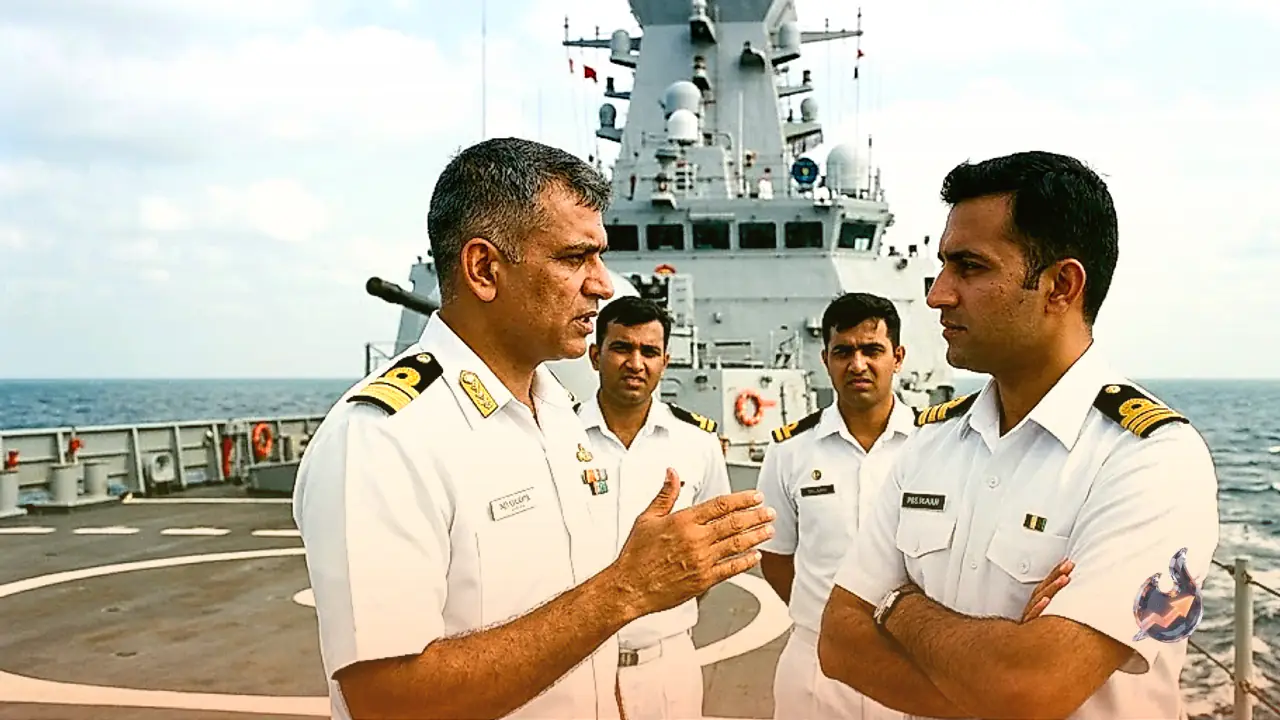







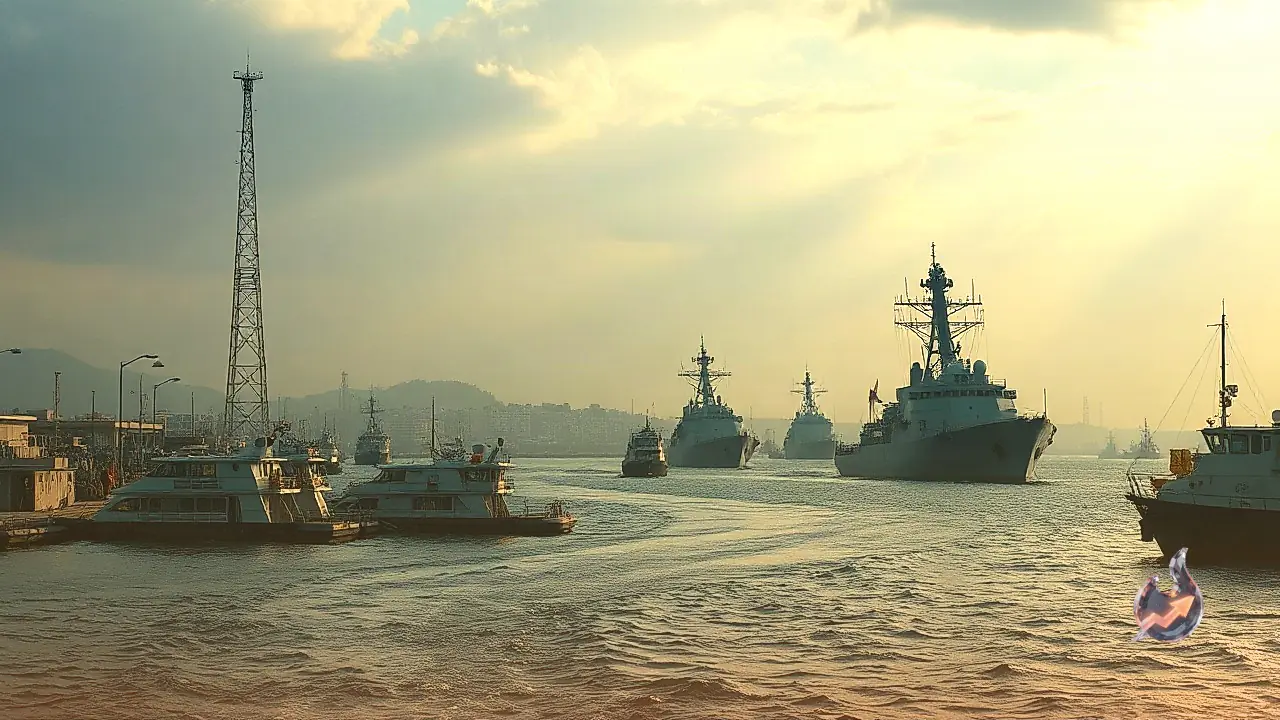














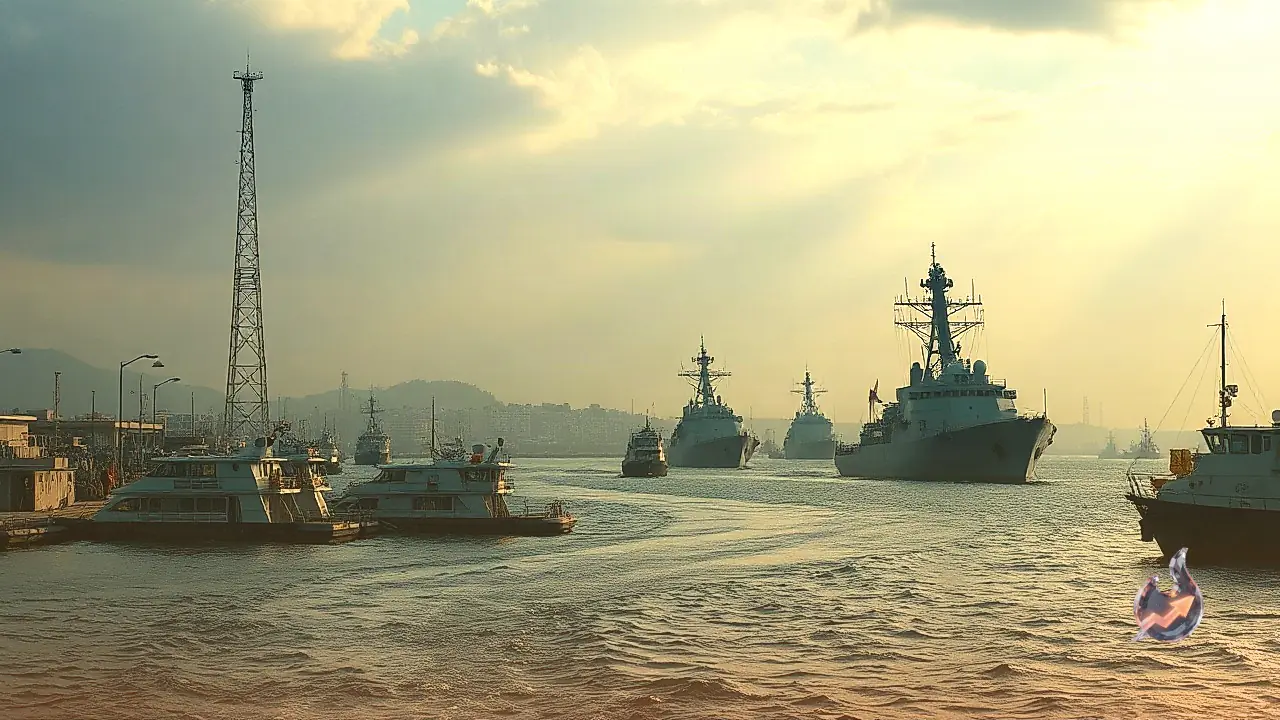

Maritime tensions escalated abruptly across the North Arabian Sea after a Pakistani naval vessel collided with an Indian warship operating on a routine surveillance mission. The encounter unfolded on the evening of September 15, 2026, when the Pakistani ship breached navigational protocols, accelerated erratically, and struck the Indian patrol vessel. While no severe structural damage was reported from the collision, the dangerous maneuver triggered immediate diplomatic backlash. Authorities in New Delhi summoned Pakistani official Saad Warraich to register an uncompromising protest, warning that hazardous operational conduct in international waters would not be tolerated.
Severe Geographical Asymmetry Across Arabian Sea Waters
The encounter highlighted the persistent operational imbalance between the two navies along their maritime frontiers. Geography heavily favors Indian maritime reach while placing severe geographical constraints on Islamabad. India commands an expansive coastline stretching beyond 7,500 kilometers, granting continuous access to extensive shipping lanes across the Bay of Bengal, the Indian Ocean, and the Arabian Sea. In sharp contrast, Pakistan possesses a compressed coastal boundary measuring only 1,046 kilometers along a narrow littoral corridor.
Because of this spatial limitation, Pakistani surface vessels lack room for stealth or long-range tactical maneuvering. Advanced Indian naval satellites, extended radar installations, and maritime reconnaissance assets sustain uninterrupted round-the-clock coverage across these northern sea lanes. Operating beneath this constant technological gaze inflicts intense psychological strain on rival bridge crews, often precipitating misjudgments and erratic steering when naval formations draw close.
The Critical Karachi Chokepoint and Fuel Vulnerabilities
Pakistan's acute dependence on the port city of Karachi constitutes its most glaring strategic liability during any military confrontation. Approximately 80 to 90 percent of the nation's entire commercial trade, including vital shipments of crude petroleum, natural gas, and essential consumer staples, enters via Karachi and the adjacent Port Qasim facility. Both maritime terminals sit directly opposite the operational reach of the Western Naval Command stationed out of Mumbai and naval installations along Gujarat.
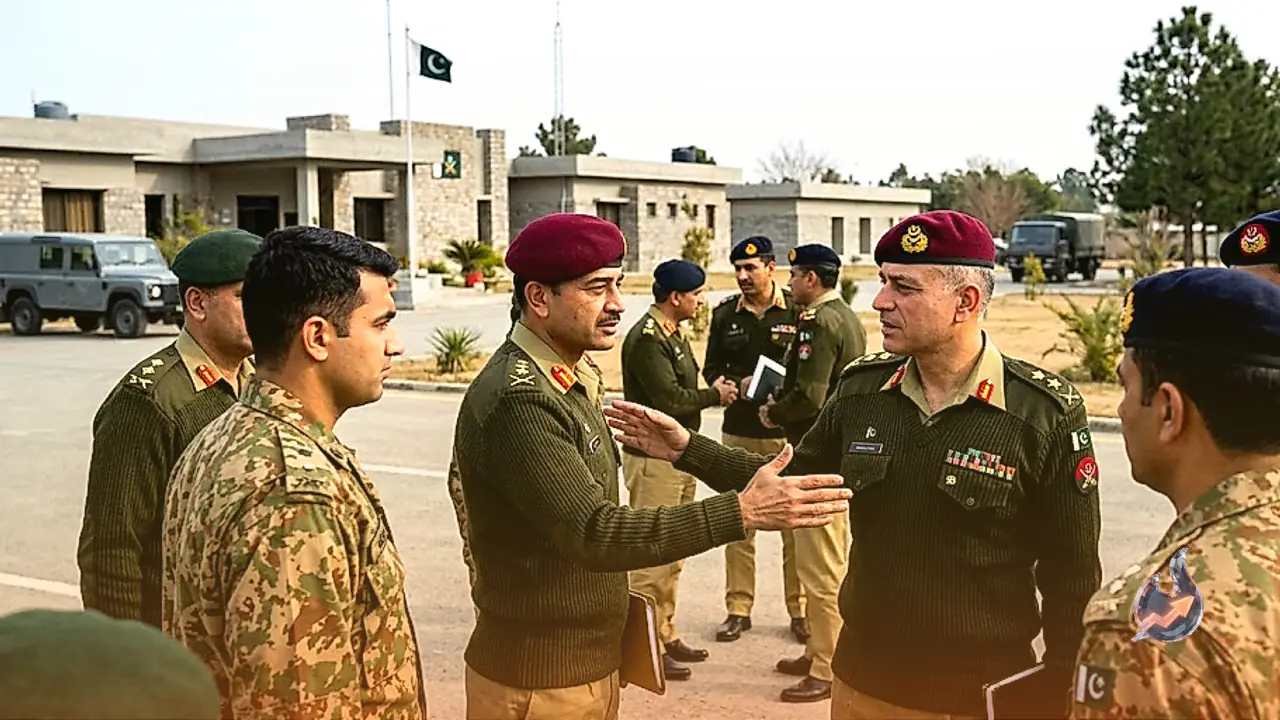
Should hostilities break out and a naval blockade be imposed outside the approaches to Karachi, mainland Pakistan would confront an immediate economic and logistical catastrophe. Reserve estimates suggest the nation holds only 10 to 15 days of usable petroleum, diesel fuel, and domestic cooking gas. Depleting these vital energy reserves within a fortnight would paralyze national infrastructure and immobilize operational movements across the Munir-led military establishment.
The Enduring Psychological Legacy of Operation Trident
Every close encounter in these waters revives memories of the decisive naval raid launched against Karachi Harbor during the 1971 war. On the night spanning December 4 and 5, 1971, the Indian Navy initiated Operation Trident, deploying agile missile boats INS Nipat, INS Nirghat, and INS Veer directly toward the fortified Pakistani naval stronghold.
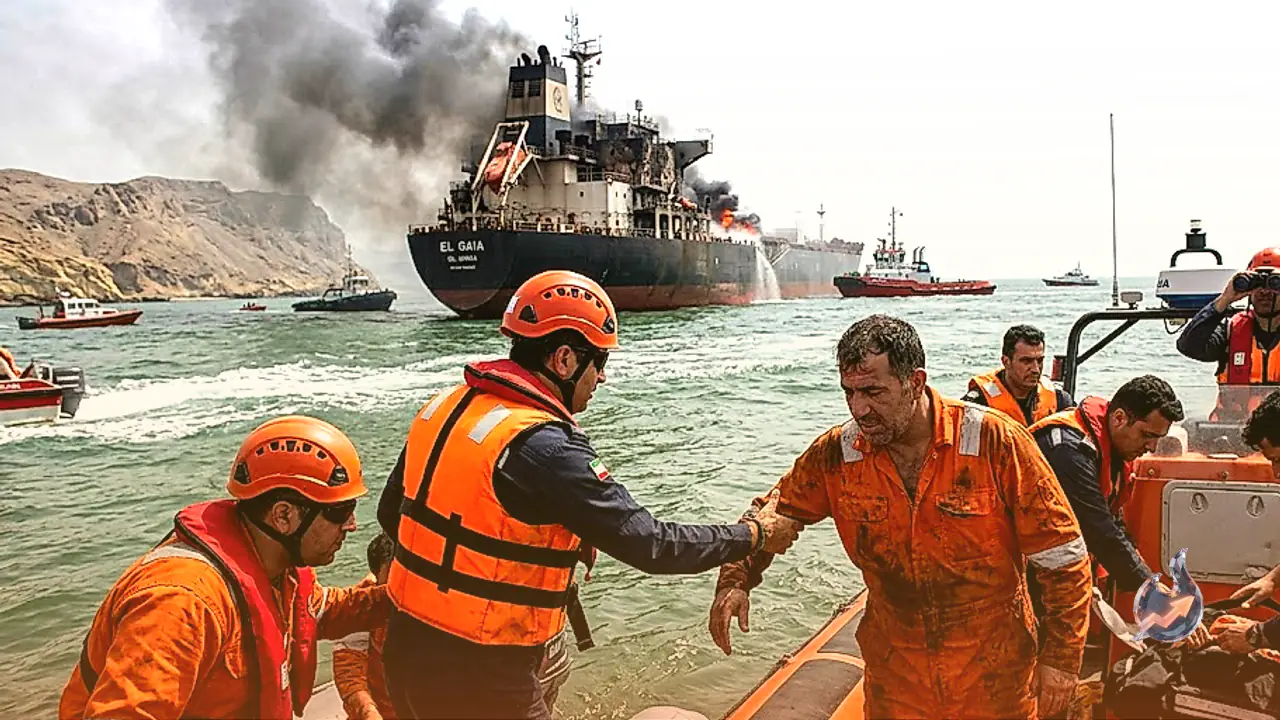
The surprise missile strikes sank frontline warships PNS Khaibar and PNS Muhafiz, sending both deep into the seabed within minutes. Indian anti-ship missiles also ignited massive shore-based oil storage reservoirs at Karachi port, producing towering blazes that remained visible from distances exceeding 60 kilometers. That single coordinated operation severed maritime fuel arteries for the remainder of the conflict, creating a profound institutional anxiety that continues to influence modern naval encounters.
Gwadar Infrastructure Fails to Eliminate Deep Sea Exposure
To reduce its absolute reliance on Karachi's exposed harbor, Pakistan collaborated with China to construct deep-water facilities at Gwadar along the Balochistan coast. Defense planners envisioned Gwadar as an alternative gateway insulated from prospective naval blockades. Nevertheless, contemporary military analysts contend that Gwadar provides little sanctuary against layered maritime power.
Gwadar sits facing the broad expanse of the Arabian Sea, where carrier strike groups centered around INS Vikrant and INS Vikramaditya maintain persistent blue-water projection. Furthermore, Indian submarine patrols and precision-guided BrahMos supersonic cruise missiles possess sufficient range to neutralize port infrastructure and surrounding installations rapidly. Consequently, the commercial terminal does not eliminate the structural limitations restricting Pakistani naval forces.
Breach of the 1991 Bilateral Maritime Protocol
Following the collision, Indian officials emphasized the terms of the comprehensive maritime accord established between both neighbors in April 1991. Article 10 of this bilateral pact explicitly obligates warships and submarines operating in international waters to maintain a minimum separation boundary of 3 nautical miles at all times. The September 15 incident directly violated this established distance threshold, reflecting how quickly operational discipline degrades during tense maritime standoffs.