





















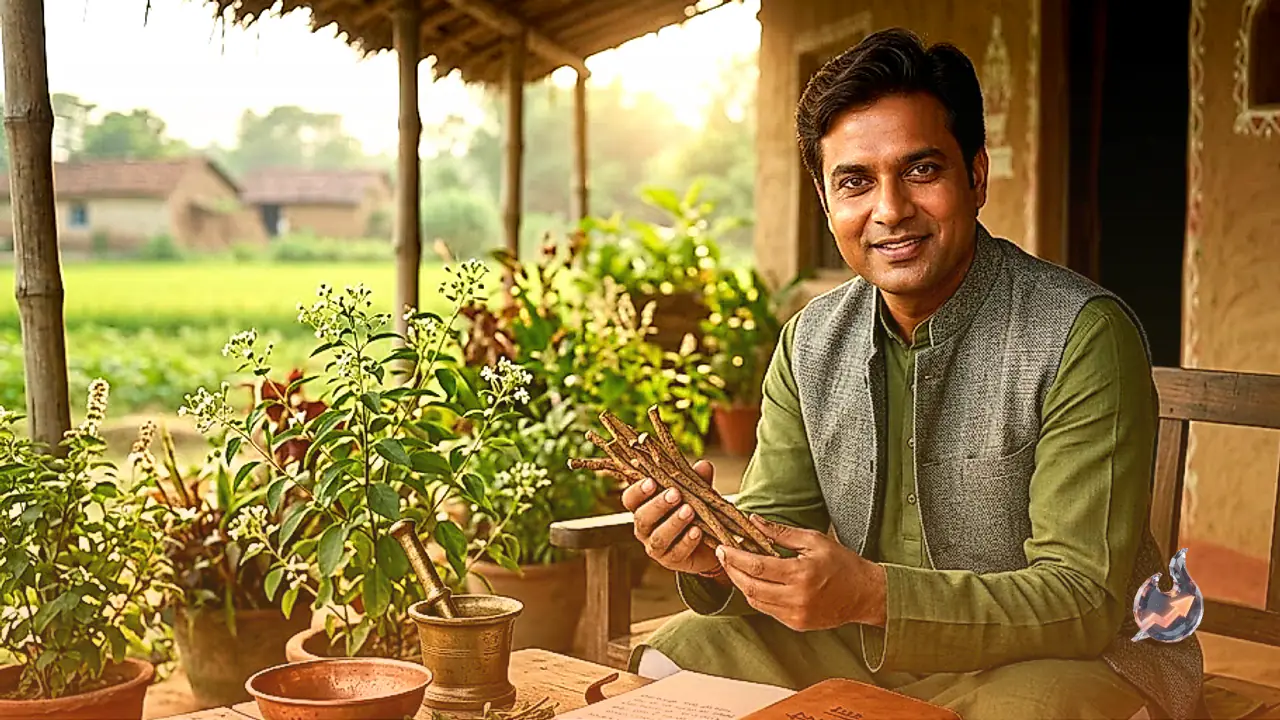

Rural areas and countrysides are home to numerous botanical species that possess remarkable medicinal properties, yet their therapeutic benefits often remain overlooked by the general public due to a lack of awareness. One such notable plant is Chitrak, which grows abundantly across village landscapes. While it may appear like an ordinary green plant at first glance, it holds a revered position within traditional Ayurvedic medicine. In particular, the root of the Chitrak plant has been used for centuries as a vital component in various classical formulations.
Botanical Profile and Local Names
Scientifically categorized as Plumbago zeylanica, Chitrak is also known by regional names such as Chitra and Cheeta in several parts of India. According to Ayurvedic practitioner Vaidya Dr. Abhishek Kumar Mishra based in Gonda, the primary medicinal value of this plant lies within its root system. In classical Ayurveda, processing techniques are applied specifically to the roots to manufacture remedies capable of addressing diverse health disorders.
Enhancing Digestive Functions and Appetite
Disruptions in daily diet and modern lifestyle habits frequently lead to digestive complications. Dr. Abhishek Kumar Mishra points out that Chitrak is primarily utilized in traditional remedies to stimulate appetite and improve sluggish digestive capacity. For individuals experiencing chronic indigestion, loss of appetite, or bowel irregularities, formulations containing Chitrak root can offer therapeutic relief when administered under professional guidance. Furthermore, certain Ayurvedic treatment protocols prescribe Chitrak root formulations to promote internal stomach cleansing and bowel clearance.
Application in Managing Fever and Hemorrhoids
Beyond digestive disorders, Chitrak finds application in managing other systemic health issues. Dr. Mishra notes that Ayurvedic literature recognizes the utility of Chitrak root preparations in treating conditions such as fever and hemorrhoids (piles). However, he emphasizes that every individual possesses a unique constitution and health profile, meaning that the dosage and administration method must be tailored specifically to the patient's condition rather than following a uniform standard.
Vital Health Precautions and Self-Medication Risks
Despite being a natural medicinal plant, Chitrak should never be treated like an ordinary home remedy to be consumed arbitrarily. Vaidya Dr. Abhishek Kumar Mishra warns that individuals suffering from serious conditions like heart blockage must refrain from self-administering Chitrak without expert clinical evaluation. Taking unverified dosages or improperly processed roots can trigger unwanted side effects and body complications. Consequently, consulting a qualified Ayurvedic practitioner before initiating any therapeutic use of Chitrak remains essential.