





















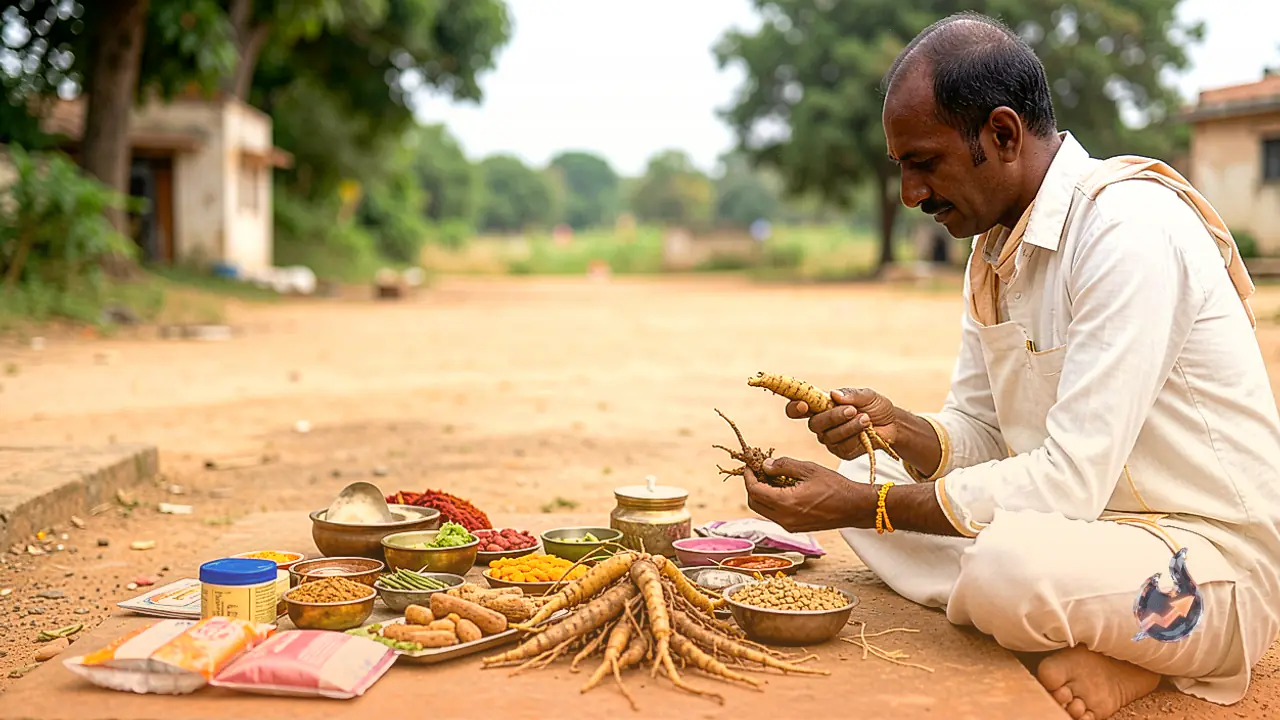

Ayurveda features numerous medicinal plants that have been utilized in traditional healing practices for generations. One such notable plant is Chitrak, whose root holds a special significance in Ayurvedic traditions. It is primarily used in the preparation of traditional medicines aimed at addressing digestive disorders and stimulating appetite. However, exercising caution with Chitrak is essential, as improper consumption can lead to adverse health effects.
Traditional Use for Digestion and Appetite
According to Vaidya Dr. Abhishek Kumar Mishra from Gonda, Chitrak is a medicinal plant with a long-standing history in traditional medicine. Its root is employed in formulating various Ayurvedic remedies, particularly for improving digestive functions and managing poor appetite. Nevertheless, the application of this herb is not uniform for every individual, meaning its usage varies based on personal health requirements.
Risks of Self-Medication
While the Chitrak plant is widely recognized for its therapeutic properties, it should never be used without proper knowledge or supervision. The root contains potent active compounds that can harm the body if ingested in incorrect quantities or through improper methods. Therefore, individuals should avoid preparing powders or homemade mixtures of this root on their own without professional guidance.
Importance of Expert Consultation
Dr. Abhishek emphasizes that anyone experiencing appetite loss or digestive difficulties must first understand the underlying causes of the issue. Relying solely on a medicinal plant without a diagnosis is discouraged. Before incorporating Chitrak into any routine, consulting a qualified Ayurvedic practitioner is vital. Using herbal plants safely depends entirely on accurate information and continuous expert supervision.