























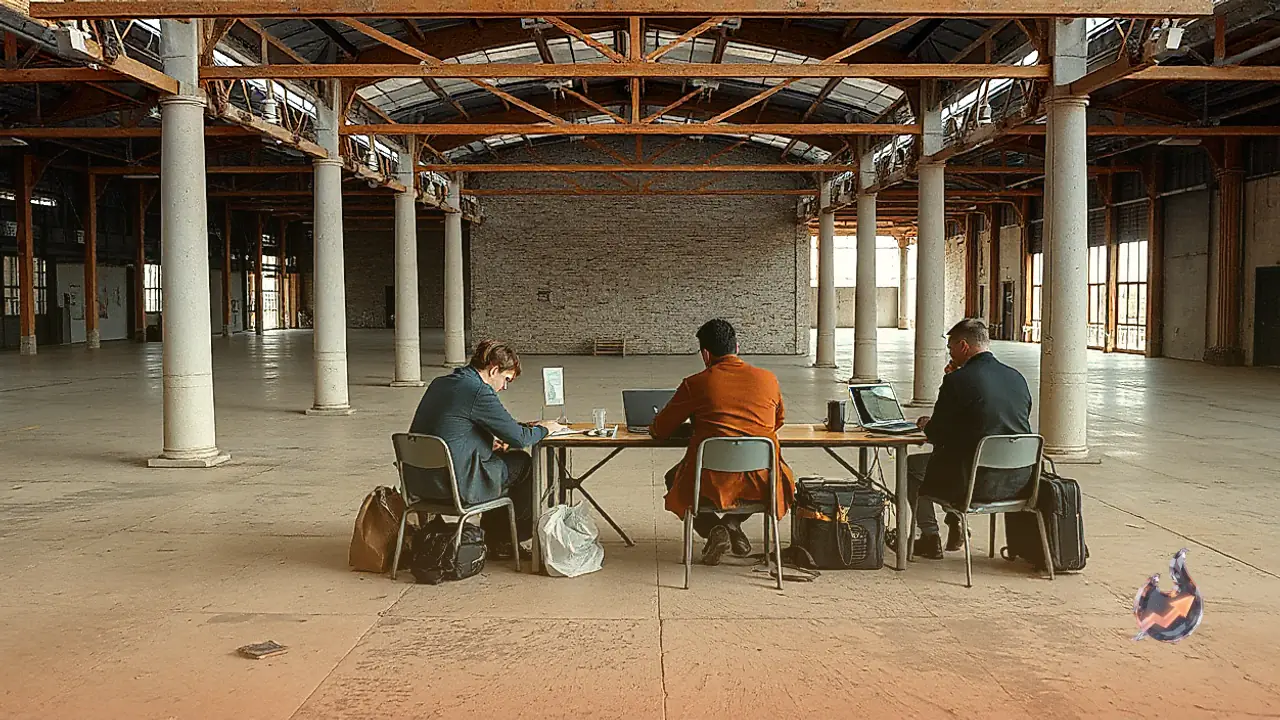

In today's fast-paced corporate environment, the relentless pressure of professional duties, continuously ringing phone alerts, notification chimes from messaging apps and emails, financial burdens like home and car loans, anxiety regarding children's future, and surrounding noise often conspire to fry our nerves. Sitting at the office desk, many of us frequently experience a sensation of a heavy head, cognitive fog, and a complete depletion of the capacity to think or process information rationally. If you resonate with these symptoms, recognize immediately that your brain has reached a state of mental overstimulation and urgently requires recalibration.
Understanding Brain Overstimulation and Its Triggers
According to health experts, overstimulation occurs when our cognitive faculties are forced to process an excessive volume of inputs simultaneously. Continuous exposure to screens, overwhelming ambient noise, frequent interruptions by colleagues or notifications, tight project deadlines, and trying to juggle multiple thoughts at once collectively drain mental energy reserves. In such a compromised state, minor annoyances trigger outsized irritation, mental exhaustion, internal confusion, mood swings, and a pronounced inability to make even straightforward decisions. Frequently, it feels as though there is simply no physical space left in the mind to absorb a single new piece of information. Fortunately, this condition does not indicate any underlying pathology; rather, it serves as a straightforward signal that your brain has run out of steam and desperately needs an intentional reset.
How to Reset Without Stepping Away
This raises an obvious logistical question: when a mountain of unfinished work awaits completion at the office, how can one possibly take an extended break? The encouraging answer is that you do not need to take any leave or break at all. You can effectively calm and reset your cognitive functions right from your workstation without ever pausing your professional duties. Here are seven practical, readily executable strategies designed to help you regain your equilibrium instantly.
Sip Warm Tea or Water Mindfully
Whenever you sense that your thought processes are stalling, introduce a subtle shift in your immediate posture while remaining seated at your desk. Procure a cup of mild tea, green tea, or simply a glass of warm water, which is easily accessible in most office environments. As you consume the beverage, direct your absolute focus entirely toward the physical sensation of its warmth and the act of swallowing. Shifting your concentrated awareness to the temperature of the drink immediately detaches your brain from compulsive overthinking patterns and initiates a natural calming response.
Switch Strictly to Single-Tasking
Engaging in the habit of multitasking—trying to execute multiple professional or personal tasks simultaneously—rapidly depletes your brain's available energy reserves and exhausts your cognitive stamina. The precise moment you recognize signs of overstimulation, halt all multitasking activities immediately. Identify the single most critical task demanding your attention and focus exclusively on that priority. Temporarily push away peripheral clutter, extraneous items, and your mobile phone to shield your nervous system from receiving any further stress signals.
Modify Your Breathing Pattern Consciously
This straightforward physiological technique instantly transmits a definitive neurological signal to your nervous system that everything is secure and under control. To execute this, adopt the structured box breathing technique: inhale deeply and steadily through your nose for a count of four seconds, hold that breath comfortably for another four seconds, and then exhale slowly and completely over a final count of four seconds. Repeating this deliberate cycle three to four times provides your brain with an immediate safety cue and successfully normalizes an elevated heart rate.
Apply a Sudden Cold Shock
If your head feels overwhelmingly congested and cognitive processing grinds to a halt, immediately walk over to the restroom and splash cold water sharply across your face. Alternatively, grab an ice cube or a chilled bottle of water and grip it firmly in your hands for approximately thirty seconds. Engaging in this sensory disruption instantly activates the body's parasympathetic nervous system, which works to decelerate your heart rate and refresh your mind in a matter of moments, leaving you feeling revitalized.
Externalize Your Internal Mental Clutter
When a chaotic swarm of pending tasks, worries, and unresolved thoughts spins rapidly inside your head, externalizing them becomes an absolute necessity. Grab a physical notebook or a sheet of paper alongside a pen, and begin writing down every single pending item or responsibility occupying your mental bandwidth. Once you physically transfer these abstract burdens onto paper, your brain's working memory is instantly freed up, allowing you to prioritize and evaluate each task logically, one item at a time.
Alter Your Immediate Sensory Backdrop
The intense artificial lighting blazing directly overhead from office fixtures can heavily tax your already fatigued brain and strain your eyes. If circumstances permit, dim the harsh overhead lights or switch them off entirely if local regulations allow. Concurrently, plug in your earphones and play soothing ambient brown noise or gentle instrumental music to mask disruptive office sounds. If you have remained locked in a static physical posture for hours, stand up briefly, move your limbs, and stretch your muscles.
Deliberately Release Muscle Tension
Remaining seated at your desk, focus your awareness entirely on one specific muscle group within your body, such as the calves of your legs. Take a deep, deliberate breath and contract the muscles in that specific area with maximum force for roughly five to ten seconds. Following this intense contraction, release the tension entirely as you exhale slowly, letting the muscles go completely limp. This brief physiological exercise forcefully expels accumulated physical and mental tension from your body in a single swift movement.
Refocus and Resume With Clarity
The next time the suffocating weight of heavy workloads, pressing deadlines, or surrounding noise pushes your brain toward the verge of an overload, resist the impulse to abandon your workstation in panic. Instead, apply any one of these targeted recovery methods right where you sit. Your pending work will remain right where it was, but these straightforward techniques will empower you to return to your responsibilities with a restored, peaceful, and sharp mental focus.