























The immediate moments following a severe vehicular collision or a major fall carry the power to decide between life and recovery or sudden fatality. In numerous trauma incidents, the absence of open external lacerations often leads bystanders into a false sense of security. Beneath unbroken skin, deep organ ruptures and extensive hemorrhages can develop silently, pushing a casualty toward irreversible shock within minutes. Recognizing the urgency of immediate intervention is indispensable when managing any catastrophic physical impact.
The Critical Nature of the Golden Hour and Circulatory Shock
In emergency medicine, the initial sixty minutes succeeding severe trauma are universally identified as the golden hour. Dr. Gaurav Kakkar, head of the neuro anaesthesia and neuro critical care department at Amrita Hospital in Faridabad, emphasizes that securing high-level medical treatment during this narrow window drastically improves a patient's survival prospects. Profuse loss of blood deprives essential organs of oxygen, causing systemic blood pressure to crash and forcing the body into profound shock. Traumatic impacts to the cranial vault, thoracic cavity, and abdominal structures frequently induce this perilous decline.
Managing External Hemorrhage and Detecting Concealed Bleeding
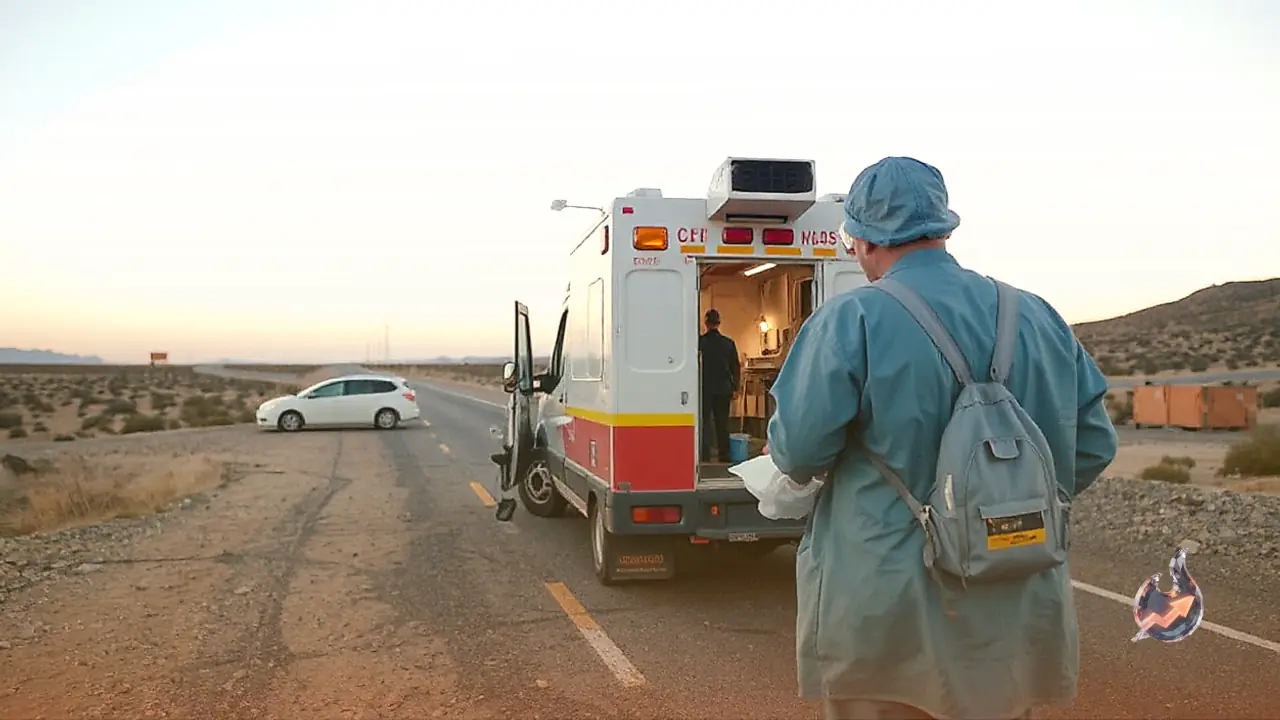
Uncontrolled blood loss ranks as the foremost preventable hazard confronting trauma victims. When bleeding occurs externally through visible lacerations, caregivers and responders should apply direct, firm pressure on the wound with a clean cloth while en route to a medical facility. The far more treacherous danger lies in concealed internal bleeding, which commonly accompanies blunt thoracic blows, blunt abdominal trauma, or fractures involving massive skeletal structures like the femur and pelvis. As blood pools within internal cavities, the individual's blood pressure drops precipitously, demanding immediate transport to a fully equipped hospital without wasting moments at smaller dispensaries.
Advanced Diagnostics and Comprehensive Trauma Protocols
Upon arrival at a specialized medical center, clinicians evaluate and treat the patient under strict, standardized trauma protocols that assess the whole anatomy concurrently rather than addressing injuries in isolation. Advanced radiographic tools such as CT scans are rapidly deployed to uncover occult intra-abdominal damage, intracranial hematomas, and skeletal displacements. Concurrently, dynamic resuscitation measures, including urgent blood transfusions, are initiated to counteract hemodynamic instability. Swift therapeutic decisions made during these early clinical assessments remain decisive in securing patient stabilization.
Paediatric Hazards Involving Falls from Domestic Heights
Trauma patterns among infants and young children warrant exceptional vigilance, particularly within household environments. Clinical centers register severe injuries every single month resulting from youngsters tumbling from unsecured balconies, unguarded terraces, or low, unbarred windows. Because children possess less anatomical tolerance and relatively heavier craniums, falls from heights inflict extensive structural trauma. Dr. Kakkar highlights the urgent necessity for families to reinforce architectural safeguards, ensuring staircases, open window frames, and balcony barriers are securely shielded against accidental falls.
Prospects for Complete Long-Term Rehabilitation
Sustaining critical injuries does not permanently preclude an individual from reclaiming a healthy, functional life. Long-term functional recovery hinges entirely upon three decisive elements: the physiological severity of the initial trauma, the competence of emergency first response at the scene, and the speed with which specialized critical care commences at a major tertiary care center. Timely intervention mitigates permanent neurological and physical impairment, giving survivors the strongest possibility of returning to their everyday routines.