




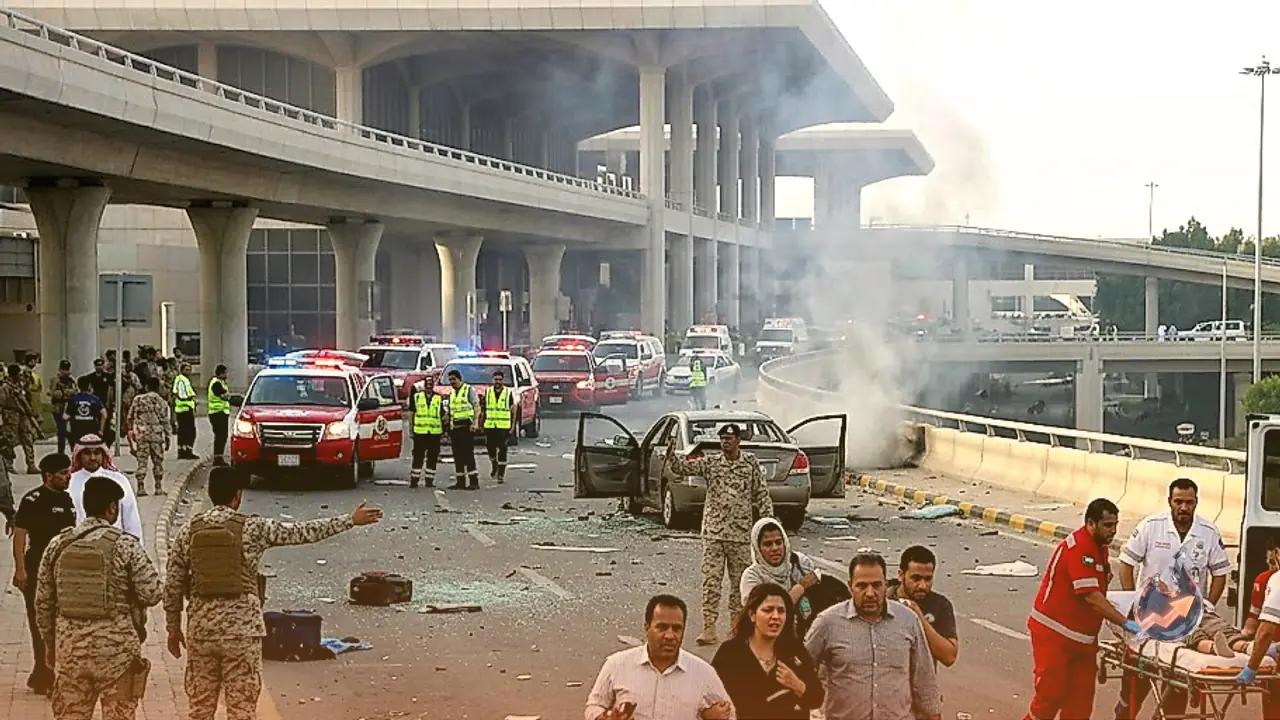














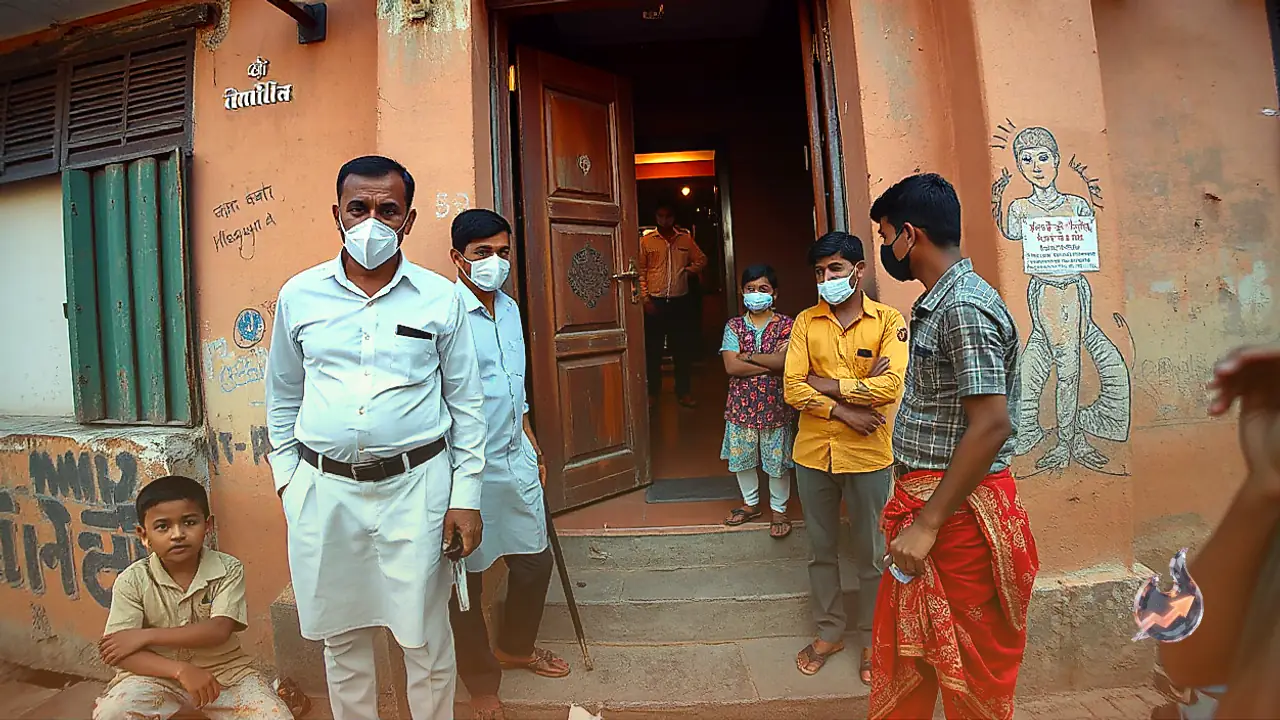

A devastating measles resurgence in neighbouring Bangladesh has raised alarm across regional healthcare networks after claiming 1,147 lives. Since mid-March 2026, healthcare surveillance systems there recorded over 200,000 suspected cases of the highly contagious infection. Disturbingly, 94 percent of the fatalities occurred among children under five years of age. Public health assessments identify persistent gaps in routine infant immunization, tracking lapses, and strained local healthcare delivery as primary drivers of this catastrophe. The scale of the emergency has prompted urgent examinations of whether India faces an imminent risk of a similar epidemiological wave.
India's Immunity Barrier and Exposure Realities
According to the World Health Organization, measles spreads rapidly through respiratory droplets dispersed when an infected person coughs or sneezes. Unvaccinated individuals, particularly toddlers and infants, remain exceptionally vulnerable to contracting the pathogen upon minimal exposure. On paper, India maintains a far stronger defensive shield against large-scale transmission. Joint assessments conducted by WHO and UNICEF for 2025 indicate that India's national coverage reached approximately 98 percent for the first dose of the measles-containing vaccine and around 95 percent for the second dose.
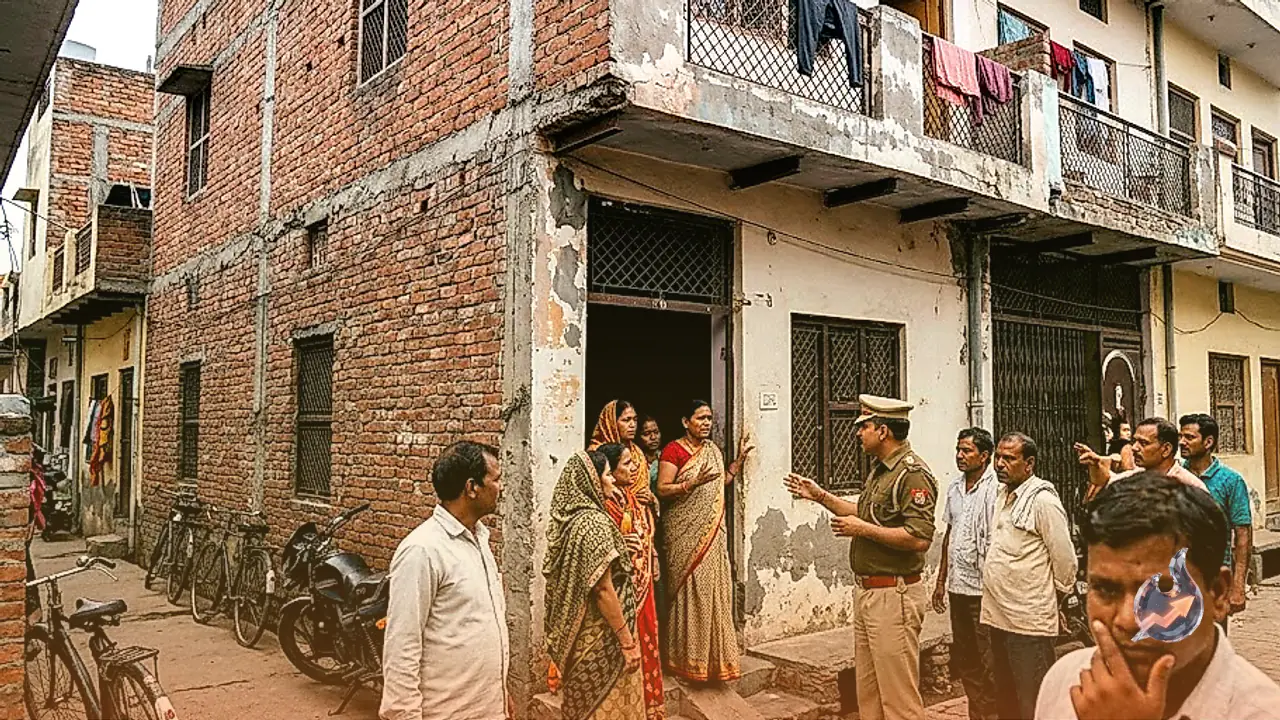
Nevertheless, national averages can occasionally conceal localized pockets of zero-dose or under-immunized children. An outbreak recorded in Delhi's Kailash Nagar in June 2026 highlighted that localized clusters can still emerge when surveillance slackens. Even a small pool of unprotected children can sustain transmission cycles within dense neighbourhoods. However, health specialists emphasize that the presence of high baseline community immunity prevents the uncontrolled widespread disaster witnessed across the border.
The Critical Mathematics of Herd Protection
Controlling measles requires maintaining population-level immunity of roughly 95 percent or higher. Falling below this threshold compromises community defense, creating fertile ground for outbreaks among unimmunized cohorts. In Bangladesh, disruptions in infant registration, coupled with weakened primary healthcare outreach, opened substantial immunity gaps that allowed the virus to spread practically unchecked.
In India, public health workers face similar operational hurdles across isolated rural villages and crowded urban informal settlements. Transient migrant populations in metropolitan centres frequently miss routine vaccination timelines due to relocation or lack of administrative continuity. Health authorities stress that parents must proactively verify their immunization records to confirm their children have received both recommended doses of the measles-rubella vaccine, ensuring no domestic pocket is left vulnerable to imported or indigenous strains.
Recognizing Early Signs and Preventing Secondary Spread
A typical measles infection begins with high fever, persistent coughing, a runny nose, and red, watery eyes. Within days, a distinctive rash of flat red spots breaks out across the face and spreads downward throughout the body. Severe cases can trigger life-threatening complications, including pneumonia, debilitating diarrhea, and encephalitis. If a child exhibits these symptoms, immediate isolation from siblings and peers is critical to curb air transmission. Parents should seek prompt medical guidance from qualified paediatricians or public clinics rather than attempting self-medication.