




















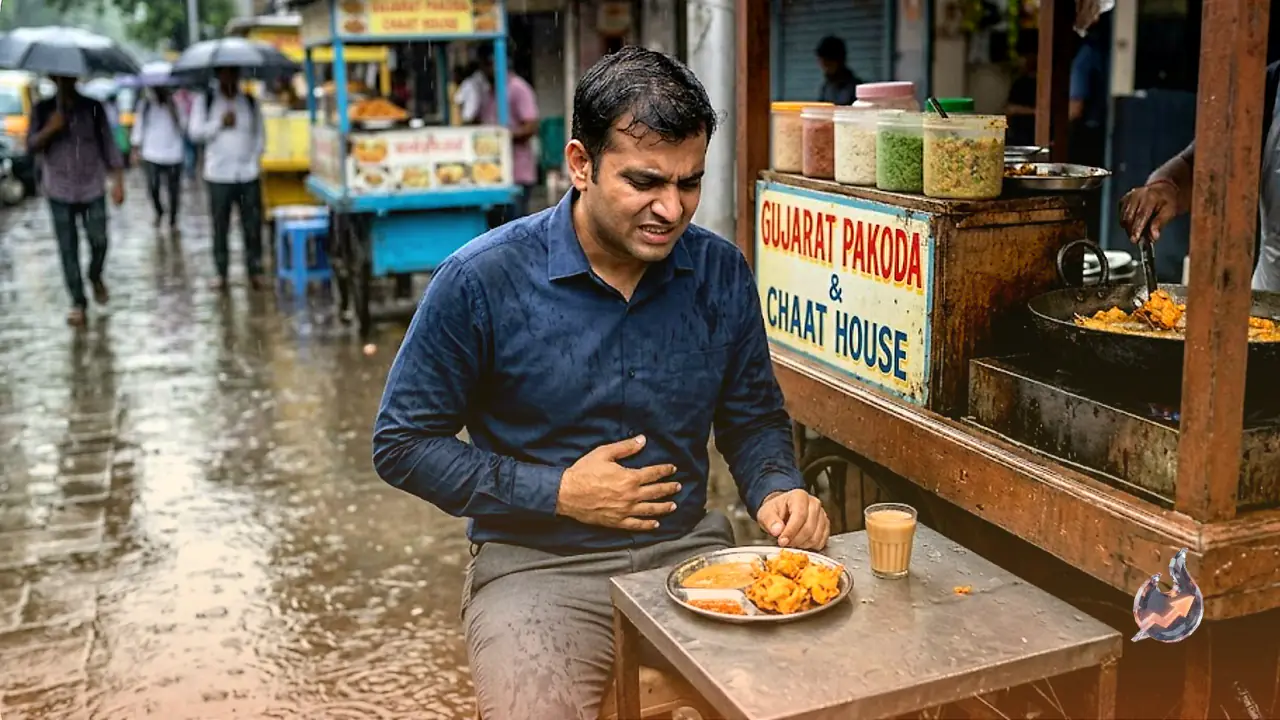

The moment the first showers hit, the craving for hot pakoras, samosas and kachoris becomes hard to resist. The smell of wet earth, the cool breeze and the sound of raindrops make monsoon one of the most enjoyable seasons of the year, offering welcome relief from scorching summer heat. But that same relief comes with a hidden cost: this is also the season when illness and infection spread fastest. Food sold on the streets spoils quicker than at any other time of year, and it does not take long for that spoiled food to make someone seriously ill. That is exactly why doctors recommend being extra careful about what you eat once the rains set in.
How dampness and cold weather throw the body off balance
Dr. Chanchal Sharma of Asha Ayurveda Clinic explains that the monsoon brings moisture and coolness into the atmosphere, and this shift disturbs the body's internal balance of vata and pitta. In Ayurvedic terms, the body goes off track in three distinct ways during the rains, each with its own set of symptoms.
Vata imbalance: The combination of moisture and cold air raises vata dosha in the body, which shows up as joint pain, stiffness, body ache and persistent fatigue.
Pitta imbalance: When rain follows intense heat, the vapour that rises from the ground is acidic in nature. This raises pitta in the body, triggering a burning sensation in the stomach and acidity, which directly affects digestion. As a result, food takes longer than usual to digest.
Kapha imbalance: If even a mild chill brings on a cold, cough and phlegm buildup, that is a sign of aggravated kapha dosha, which also points to weakened immunity during the monsoon.
What not to eat during the monsoon
Avoiding illness while still enjoying the rains comes down to making a few adjustments to your diet. Dr. Chanchal Sharma points out that steering clear of certain foods can keep you healthy through the entire season.
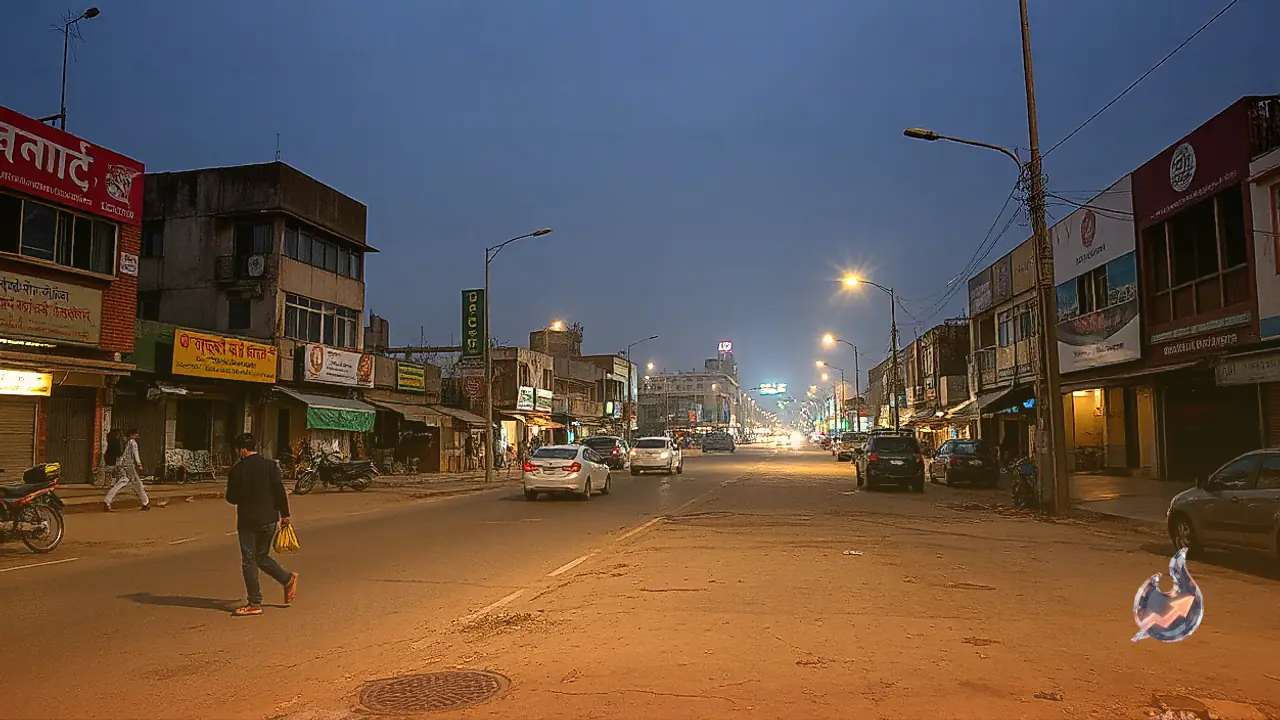
Skip fried and outside food: Ayurveda classifies fried food as abhaksya, meaning food that is best avoided altogether. Food sold in the open on the street carries the highest risk of infection during this season, and it can also cause acidity, gas and a burning sensation in the chest. That means street-bought chaat, pakoras, golgappas, roasted corn on the cob and sweet potatoes are best avoided during the rains.
Cut out non-vegetarian food: Meat should be avoided during the monsoon because the high humidity in the air helps bacteria multiply faster. Digestion also slows down naturally during this season, so eating too much meat or stale seafood raises the risk of serious stomach infections and food poisoning.
Avoid cold food and drinks: Digestive strength is already weaker during the monsoon, making it harder for the body to properly break down cold food. Cold drinks and cold meals should therefore be avoided. Warm alternatives like herbal tea, ginger water or hot soup help keep digestion running smoothly.
Steer clear of spicy food: Excessively spicy food can irritate the stomach's inner lining and worsen digestive problems, especially during the monsoon when digestion is already naturally sluggish. Choosing light, easy-to-digest food with less oil and fewer spices is a better option for keeping the digestive system healthy.
Stay away from leafy vegetables and cut salads: Insects and bacteria cling easily to the moisture found on leafy green vegetables, and eating them can upset the stomach. Cut salads and juices sold outside are also at risk of flies landing on them, so it is best to only eat salad that has been freshly cut at home.
What to do to stay healthy
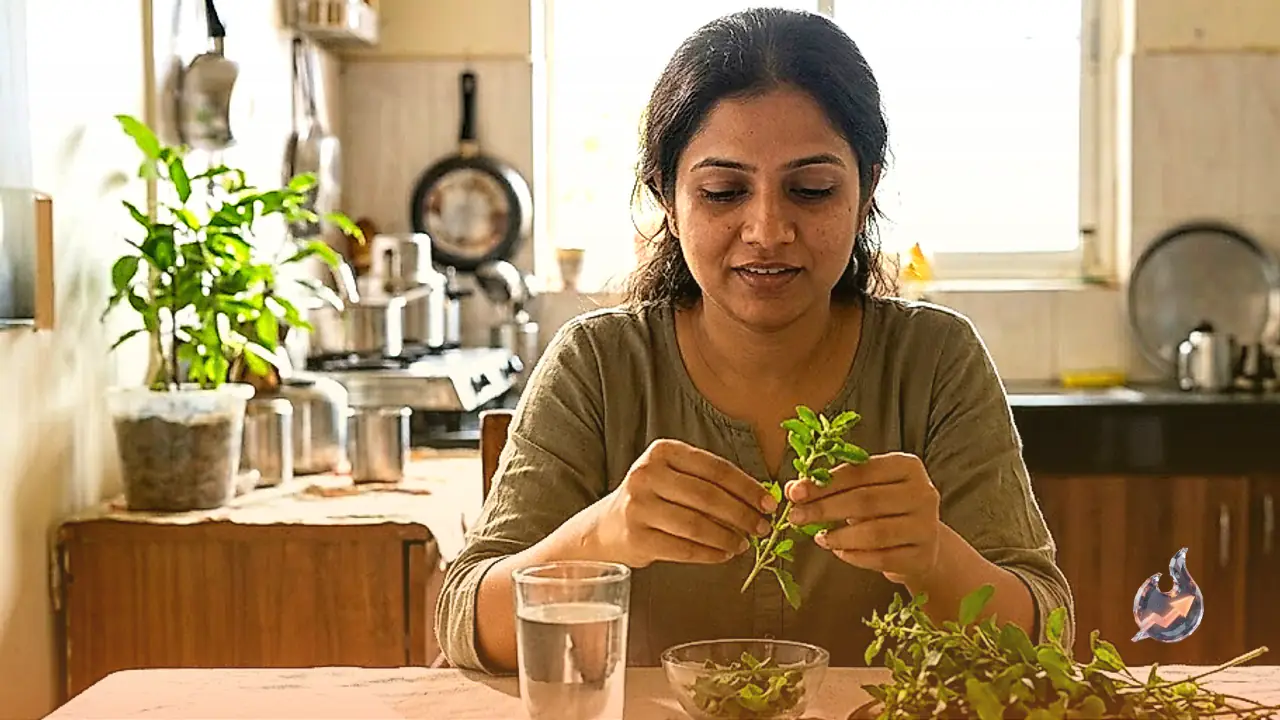
Germs multiply faster in the environment during the monsoon, so avoiding outside food as much as possible is the safest approach. Home-cooked, simple and clean food is considered the safest option through this season. Try to eat fresh, lightly warmed meals, since they put less strain on the digestive system. It also helps to drink fennel and cumin water regularly, as it keeps the stomach clean and significantly lowers the risk of infection. Ultimately, the rains can only be truly enjoyed when a little extra care is taken with what goes on the plate.