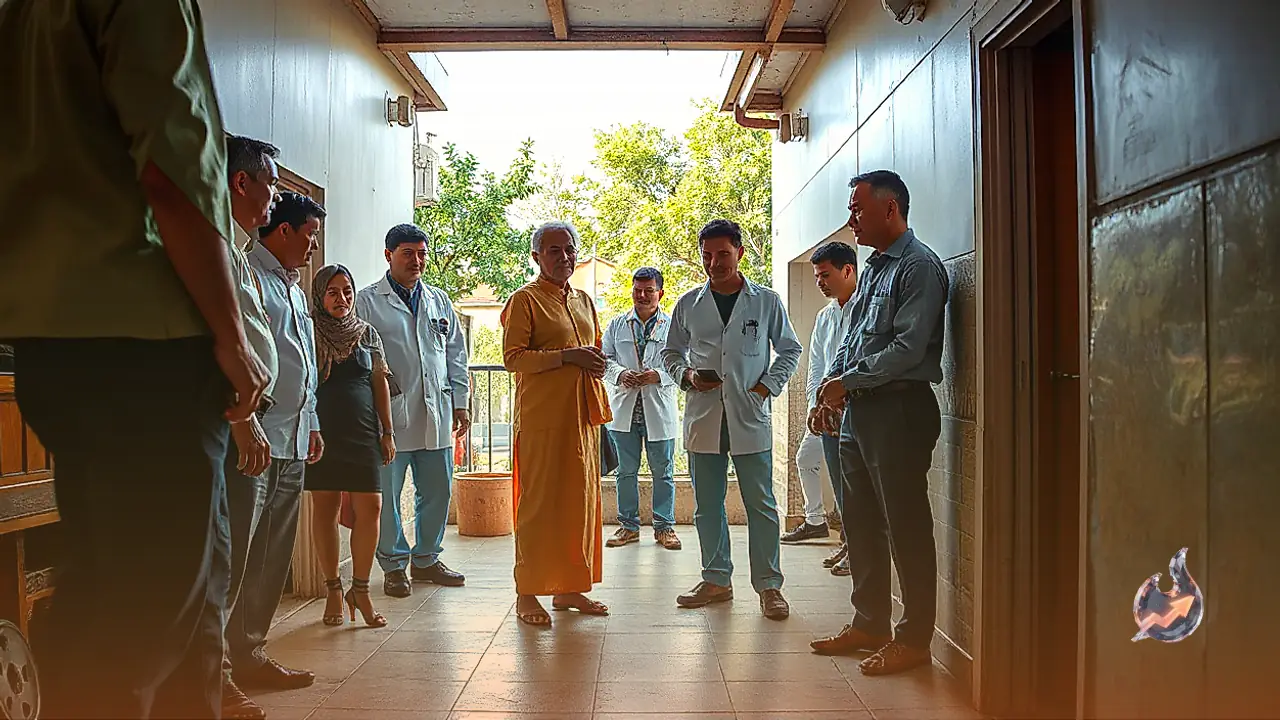
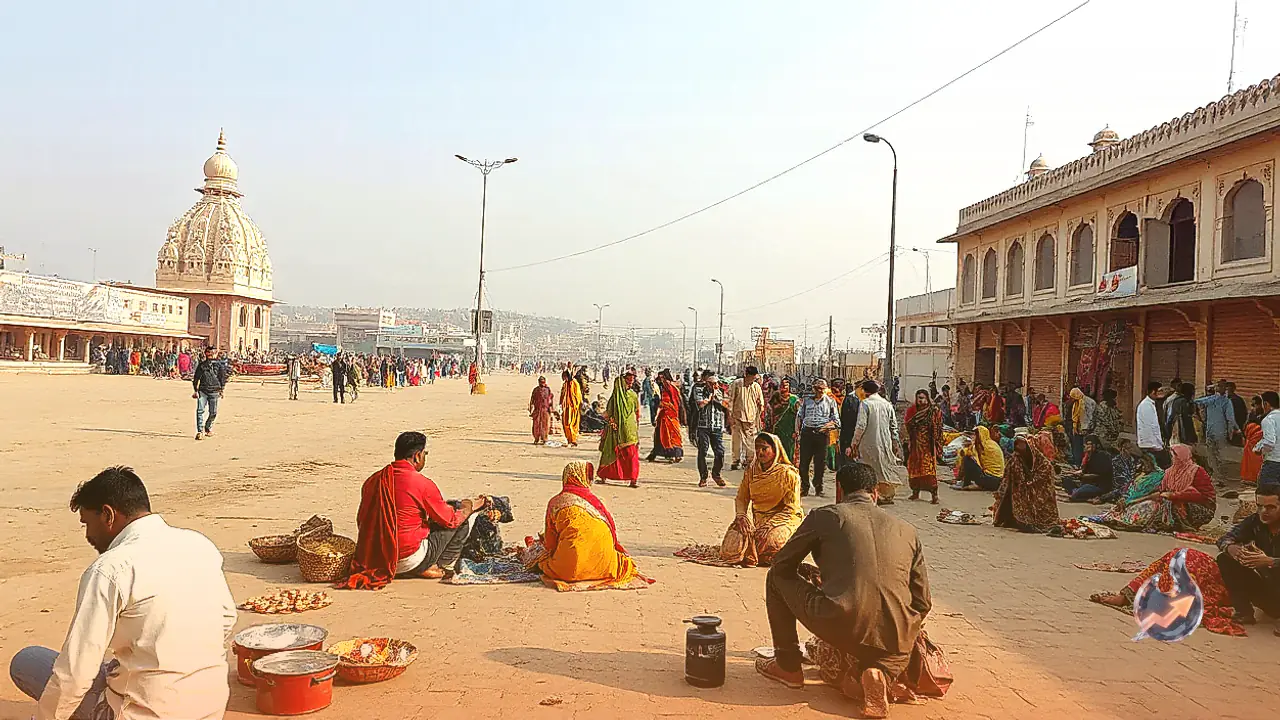



















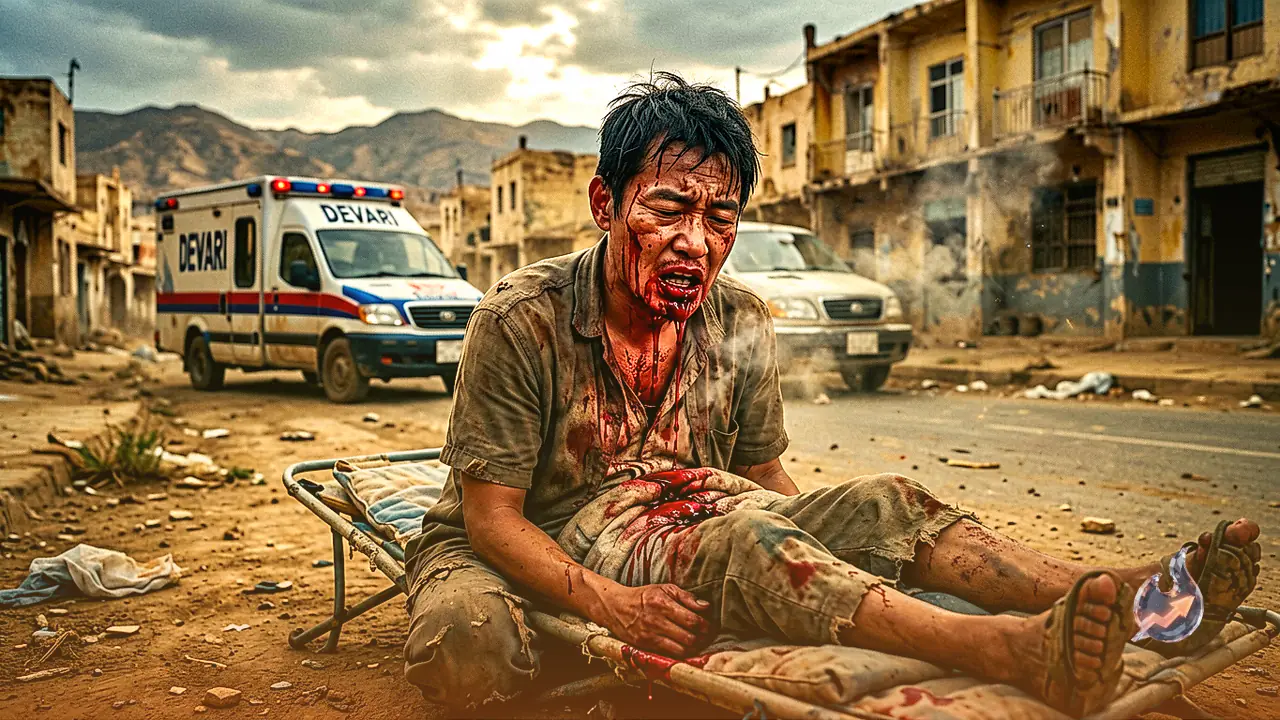

Emergency medical services in the Shahabad area of Baran district, Rajasthan, have come under severe scrutiny following an incident where a critically ill patient was left without transportation after being referred to an advanced facility. The patient, who was suffering from continuous blood vomiting, was rushed by family members to Devari hospital for urgent care. Recognizing the severe condition of the patient after rendering preliminary first aid, attending doctors promptly issued a referral slip directing that the patient be moved to a higher medical center. However, despite the completion of formal referral paperwork, no ambulance was made available to transport the patient.
Referral Issued but No Ambulance Arrives After Two Hours
The issuance of the referral slip marked the beginning of a prolonged ordeal for the patient’s family. According to accounts provided by the relatives, they made continuous telephone calls to emergency ambulance services for approximately two hours trying to secure immediate transit. Despite repeated attempts, no vehicle dispatched to the site during that period. Throughout the painful wait, the patient remained outside the hospital building suffering from blood vomiting while family members struggled helplessly to arrange transport. The prolonged delay in getting emergency assistance sparked widespread anger among other visitors and local residents present on the hospital premises.
Questions Raised Over BCMO Presence and Operational Negligence
The incident has drawn sharp criticism toward the local healthcare administration, particularly because Block Chief Medical Officer (BCMO) Dr. Sarwan Kumar Sharma is stationed at Devari hospital itself. Local villagers expressed deep frustration that such severe operational lapses occurred directly under the watch of a senior medical officer. Community members pointed out that healthcare infrastructure across the region has long been suffering from systemic deficiencies and a lack of essential resources, forcing vulnerable patients to endure extreme hardship. Some villagers further alleged that health officials frequently prioritize social media activities over managing hospital operations, leading to neglect of ground reality services, though these specific allegations have not been independently confirmed.
Infrastructure Deficits in Tribal and Backward Belts
Shahabad is recognized as one of the most backward and tribal-dominated belts in Baran district. Due to the shortage of specialized medical care locally, residents in rural villages are heavily reliant on distant tertiary healthcare centers for life saving treatments. In such remote regions, timely ambulance availability serves as a critical link between primary diagnosis and emergency referral care. Any failure to provide immediate transport risks delaying life saving interventions for high-priority patients. Following this incident, local community members have urged the health department and district administration to take decisive action to fix emergency transit systems and guarantee round-the-clock ambulance readiness across tribal area medical centers.