






















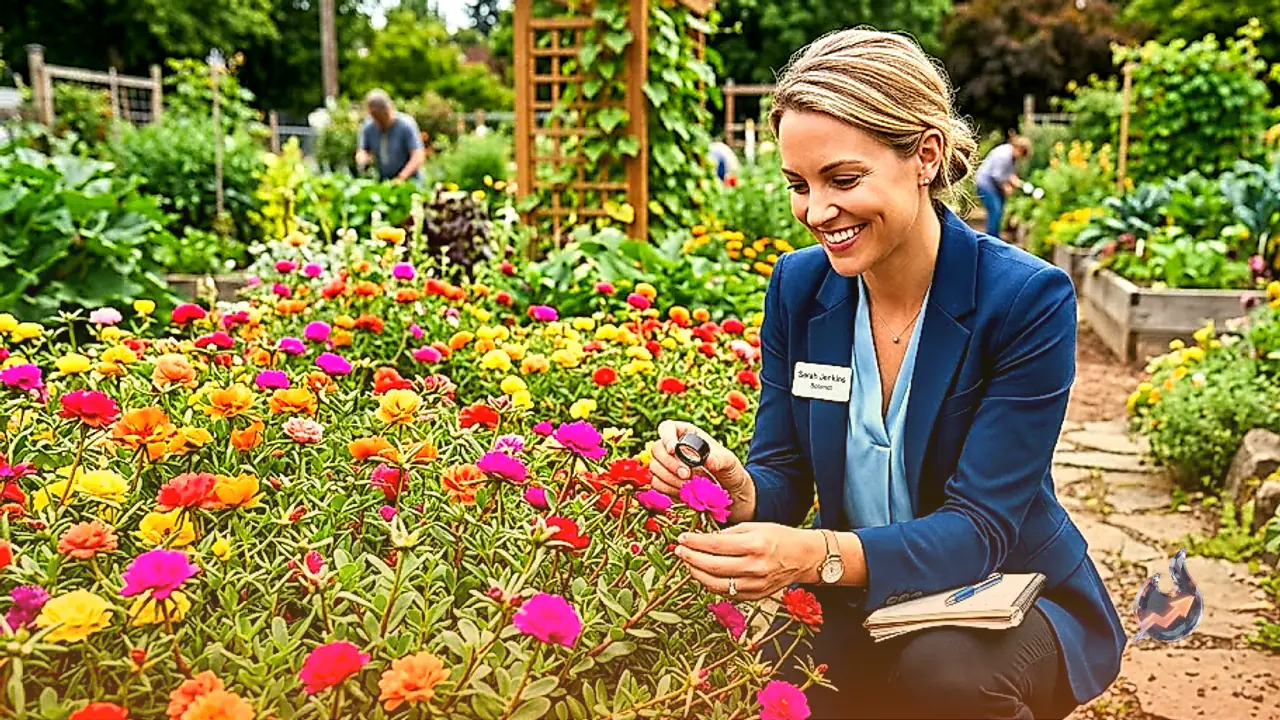

In the courtyards and residential gardens of Gonda, a visually striking plant bearing blossoms in vibrant shades of red, pink, and various other hues is a familiar sight. Scientifically designated as Portulaca grandiflora and commonly referred to as moss rose, this flora is cultivated primarily for its ornamental charm. Beyond its decorative popularity, however, this botanical variety has also garnered scientific interest regarding its potential therapeutic characteristics.
Scientific Inquiries and Anti-Inflammatory Properties
Practitioner Vaidya Vishnu Dutt Prajapati notes that researchers have examined the natural constituents of this plant for their potential anti-inflammatory capacities. Controlled scientific evaluations have analyzed the extracts derived from this species to understand their role in moderating inflammation. Nevertheless, the documented existence of these biological properties does not imply that individuals experiencing internal swelling or other medical conditions should ingest the plant as a self-directed cure. Consulting a certified healthcare professional remains essential for addressing any underlying ailment.
Antioxidant Compounds Under Study
Research has additionally focused on the antioxidant attributes exhibited by specific active chemical compounds found within Portulaca grandiflora. Antioxidants represent essential biochemical compounds that work against the cellular effects associated with oxidative stress in the human body. Scientists continue to study how these isolated botanical elements behave in physiological systems.
Traditional Applications for Minor Skin Irritations
Historical and folk healing traditions frequently reference the practical application of Portulaca leaves for managing everyday minor skin complications. Practitioners of these traditional methods often suggest crushing the foliage into a smooth paste to be applied topically over affected areas. Folk knowledge records its topical use for superficial scrapes, shallow scratches, and trivial wounds. Furthermore, communities have traditionally applied the paste to soothe cutaneous itching, localized redness, and minor burning sensations. However, medical guidance remains mandatory before applying any botanical substance over open cuts, severe lacerations, or infected lesions.
Insect Stings and Managing Severe Allergic Emergencies
In conventional home treatments, individuals occasionally extract fresh leaf juice or apply mashed leaves to soothe the site of an insect sting. This practical application aims to reduce localized irritation and mild surface swelling. Nevertheless, if an insect or bee sting triggers severe secondary symptoms, such as acute breathing distress, facial puffiness, or extensive allergic reactions across the body, the situation constitutes a life-threatening medical emergency. Under such critical conditions, individuals must bypass domestic folk measures and secure prompt clinical intervention.
Throat Discomfort, Digestive Traditions, and Liver Health
Certain historical medical traditions also document the administration of Portulaca leaves or herbal extracts to alleviate throat inflammation and persistent soreness. The presence of natural anti-inflammatory components forms the core rationale behind these historical practices. Even so, relying solely on crude plant preparations during acute throat infections, inflamed tonsils, or high fevers represents an unsafe health practice.
Similarly, traditional texts occasionally reference utilizing such botanicals to assist digestive functions and promote internal bodily cleansing. A number of anecdotal perspectives even consider the plant supportive of liver health. Despite these beliefs, claims suggesting that this botanical can detoxify the human body or cure liver disorders must not be treated as clinically verified medical therapies. Anyone suffering from liver-related issues requires rigorous clinical diagnostic tests and supervised medical management.
Avoiding Unsupervised Consumption
While this flowering species presents an attractive and harmless outward appearance in residential gardens, ingesting the roots, leaves, or blossoms as an improvised medicine can pose definite health hazards. Individuals currently managing chronic conditions such as diabetes, high blood pressure, or other ongoing medical therapies should strictly refrain from consuming any part of this plant without direct approval from a licensed physician.