



















During the monsoon season, a distinctive weed with vibrant crimson foliage frequently sprouts along farm borders, open grasslands, and untended garden beds. While passersby often mistake the striking red leaves for blossoms, many clear this growth away assuming it to be a harmless wild weed. However, traditional Indian folk medicine and Ayurvedic practices have recognized this plant for generations due to the therapeutic properties attributed to its white milky sap and crushed leaves.
Botanical Classification and Physical Characteristics of Euphorbia Heterophylla
In botanical nomenclature, this plant is designated as Euphorbia heterophylla, belonging to the Euphorbiaceae family. According to Ayurvedic practitioner Vaidya Vishnu Dutt Prajapati from Gonda, the plant is commonly known across various Indian regions as Lal Dudhi, Dudhiya Ghas, and Wild Poinsettia. The weed experiences rapid growth following the arrival of seasonal rains, often thriving continuously through the transition into autumn. Typically, mature specimens attain a height ranging between 30 centimeters and 80 centimeters.
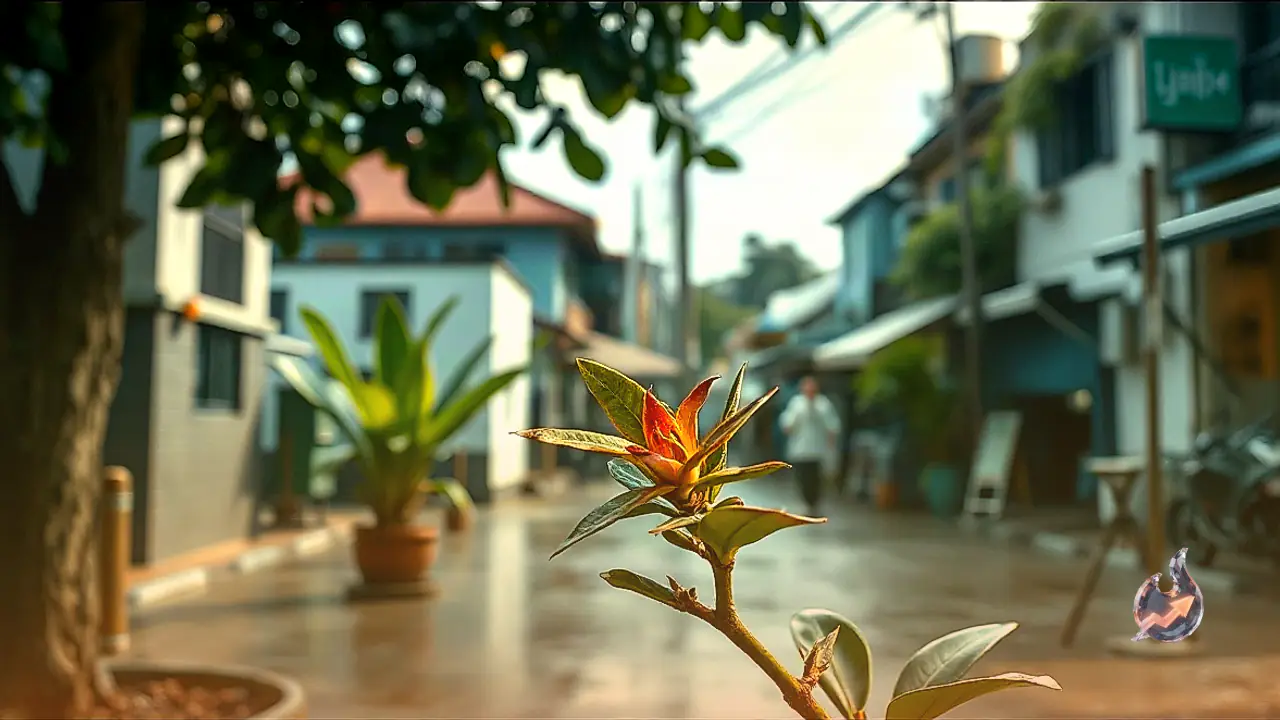
Identifying the species requires attention to specific morphological characteristics. The most prominent feature is the cluster of bright red leaves located at the top of the stem, which are frequently misidentified as floral petals. The actual flowers are small, greenish-yellow structures nestled centrally between the colorful bracts. The lower leaves remain elongated and green. Snapping or breaking any part of the main stem releases a thick, white latex or milky fluid.
Traditional Application for Ringworm, Scabies, and Skin Irritation
Topical application of the leaves has historically served as a popular remedy for common dermatological issues such as ringworm, scabies, and general cutaneous itching. Practitioners of traditional remedies crush fresh leaves into a smooth paste and apply it directly onto affected skin patches to soothe burning sensations, discomfort, and persistent itching. It is vital to note that all such applications are strictly limited to external skin surfaces.
Safety procedures must precede any topical application. Users are advised to perform a small patch test on healthy skin to check for potential allergic reactions or adverse sensitivity. The raw leaf paste must never be placed over open cuts, broken skin, or active infections. Should skin irritation escalate, persist, or exhibit signs of bacterial infection, immediate consultation with a qualified medical professional is recommended.
Application Guidelines for Minor Wounds and Scrapes
In classical folk traditions, a paste prepared from fresh leaves is sometimes applied over minor cuts and superficial abrasions. Traditional beliefs suggest that the active botanical compounds assist in drying the wound and encouraging epidermal repair. Prior to applying any plant material, the wounded area must be thoroughly cleansed with clean water to remove dirt and reduce contamination risks.
Self-treatment of deep, open, or contaminated wounds using raw plant pastes poses significant health risks. If a wound exhibits active bleeding, substantial swelling, purulent discharge, or intense pain, individuals should refrain from home remedies and seek prompt evaluation at a medical facility.
Managing Mild Swelling and Localized Pain
Poultices made from crushed Euphorbia heterophylla leaves are also utilized in domestic care to address minor localized inflammation and muscle soreness. Placing the clean leaf paste over swollen joint or skin regions is believed to alleviate mild pain, stiffness, and localized warmth.
To avoid introducing contaminants, leaves must be meticulously washed prior to grinding. A preliminary patch test remains essential to rule out contact dermatitis. If localized swelling fails to subside or continues to worsen over time, expert medical assessment should replace home remedies.
Removal of Warts with Milky Sap and Associated Risks
A prevalent custom in rural communities involves applying the plant's raw milky sap directly onto cutaneous warts. Local beliefs hold that repeated application causes warts to shrink and eventually drop off. However, this latex possesses potent chemical constituents capable of inducing severe skin irritation and chemical burns.
Improper or excessive application of the latex carries a high risk of localized erythema, sharp pain, and blister formation. Consequently, applying the sap without expert supervision is strongly discouraged. Extreme caution is warranted to keep the sap away from sensitive areas, particularly the face, lips, and eyes. If a wart becomes painful, bleeds, or undergoes changes in shape or color, professional medical advice must be sought immediately.
Toxicity Considerations and Ayurvedic Recommendations
While the Euphorbiaceae family contains numerous species cited in Ayurvedic texts, their use is overwhelmingly restricted to external therapeutic regimens. The white milky latex of Euphorbia heterophylla must never be ingested internally. Ingesting even small quantities of the sap can trigger toxic systemic reactions and gastrointestinal distress.
Vaidya Vishnu Dutt Prajapati emphasizes that individuals should strictly avoid self-medication with wild botanical plants. Utilizing any herbal treatment safely requires precise species identification, correct dosage formulation, and a thorough understanding of potential contraindications.
Current Scientific Evidence and Final Medical Verdict
Despite its striking visual appearance and deep-rooted history in folk medicine for treating ringworm, itching, minor cuts, swelling, and warts, comprehensive scientific research validating the therapeutic efficacy and safety profile of Euphorbia heterophylla remains limited.
Vaidya Vishnu Dutt Prajapati advises that consulting a certified Ayurvedic doctor is the safest approach rather than relying solely on unverified domestic treatments. Unsupervised application of wild plants can carry unforeseen health risks.