



















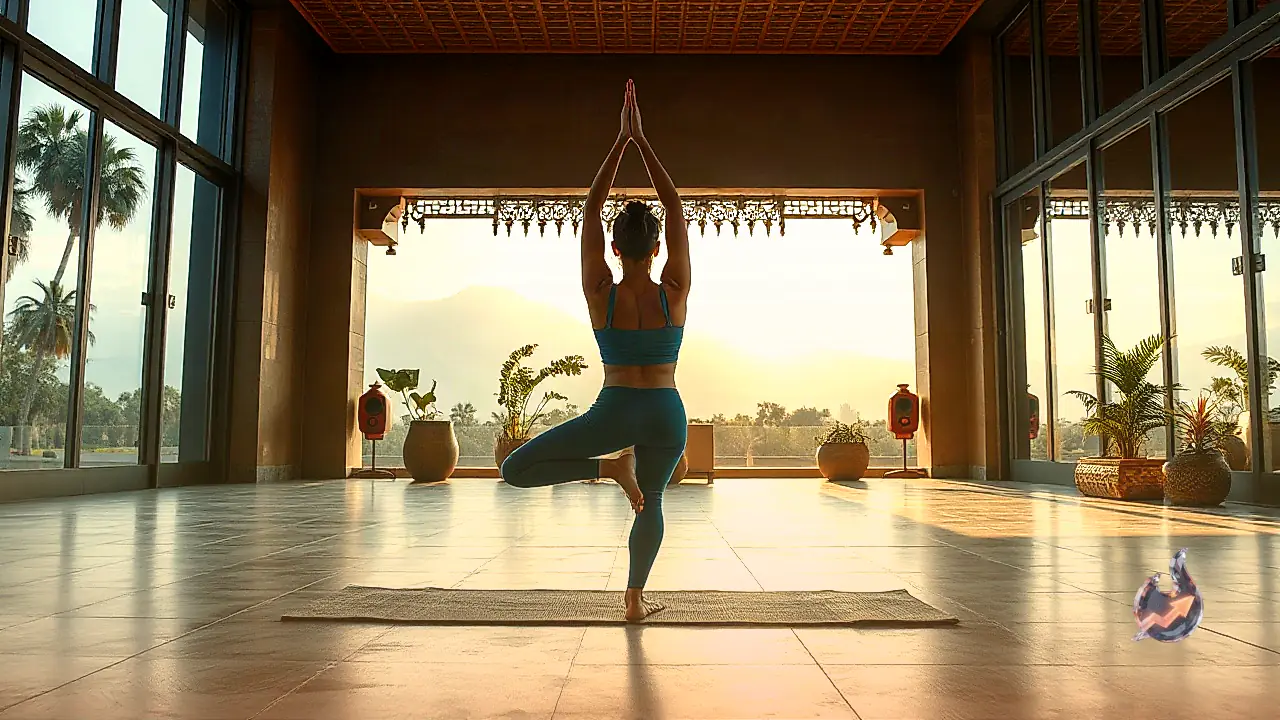

Ancient Indian yoga traditions offer numerous postures designed to keep both the mind and body healthy. Among these, Paschimottanasana holds a significant place as a seated forward bend that stretches the spine, lower back, and hamstrings, helping improve overall physical flexibility through regular practice.
The name of this posture comes from three Sanskrit roots. 'Pashchim' refers to the back of the body, 'uttana' means an intense stretch, and 'asana' translates to posture. The very name clearly indicates that this practice focuses on properly stretching the entire posterior chain of the body.
This exercise is performed while seated on the floor, where practitioners bend forward to reach and hold their feet. This movement creates a thorough stretch across the spinal column and leg muscles. Within traditional yoga practices, it is categorized as a core asana of Hatha yoga.
According to the Ministry of Ayush, Paschimottanasana creates a deep stretch across the back of the body. Practicing it can help maintain spinal mobility and stimulate internal digestive organs. It is also considered useful in controlling excess belly fat around the abdomen, although a single posture alone does not guarantee weight loss.
Consistent yoga practice helps make the body flexible while reducing mental stress and promoting relaxation. Yogic traditions also view this posture as beneficial for relieving digestive issues like constipation. Additionally, certain yoga and Ayurvedic traditions suggest it helps manage diabetes and mental stress, though it should never replace medical treatment for any disease.
Morning is widely considered the ideal time to practice Paschimottanasana. It is recommended to perform it on an empty stomach. Morning sessions help stretch the body effectively and kickstart the day with high energy levels.
If mornings are too busy, the posture can also be practiced in the evening. However, one should never practice yoga immediately after a heavy meal. Experts generally suggest waiting about 4 to 5 hours after eating before attempting the exercise. Beginners should practice under the guidance of a qualified yoga instructor to learn proper technique.
Who Should Exercise Caution?
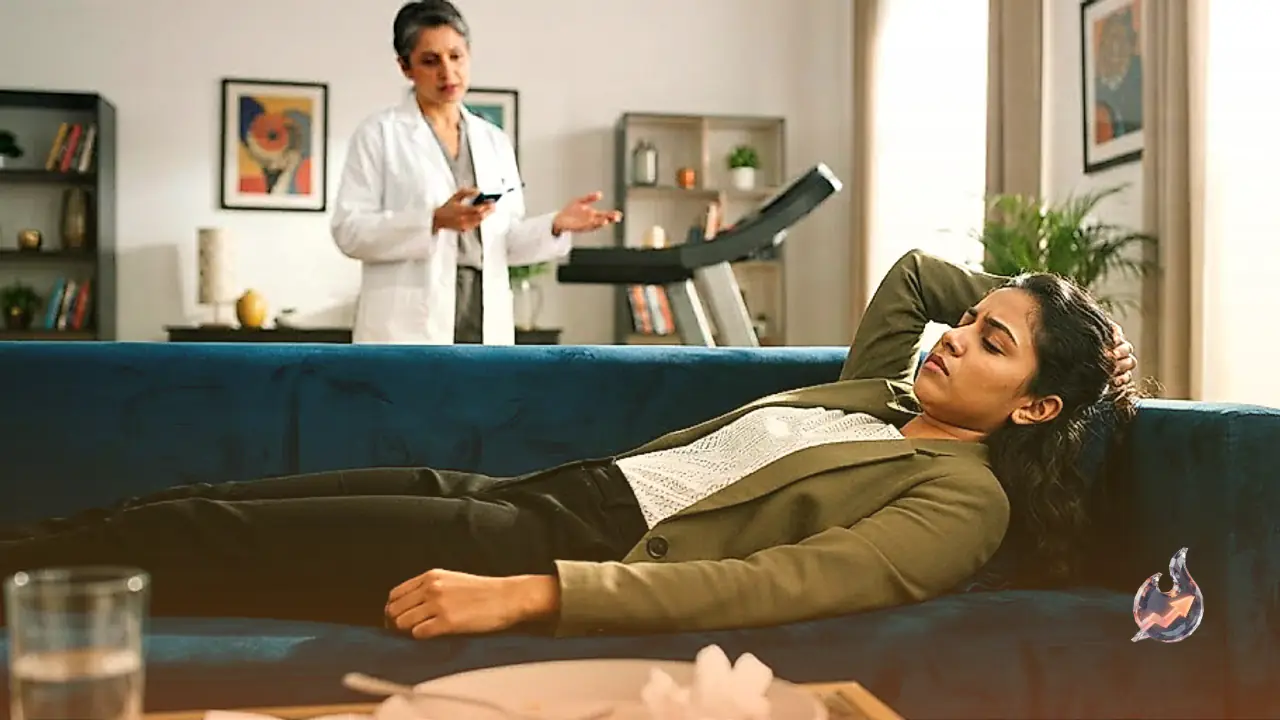
Individuals suffering from severe back pain, a slipped disc, or a hernia must consult a doctor or a qualified yoga expert before attempting Paschimottanasana. This posture should also be avoided if someone has undergone recent abdominal surgery or is dealing with a serious injury.