





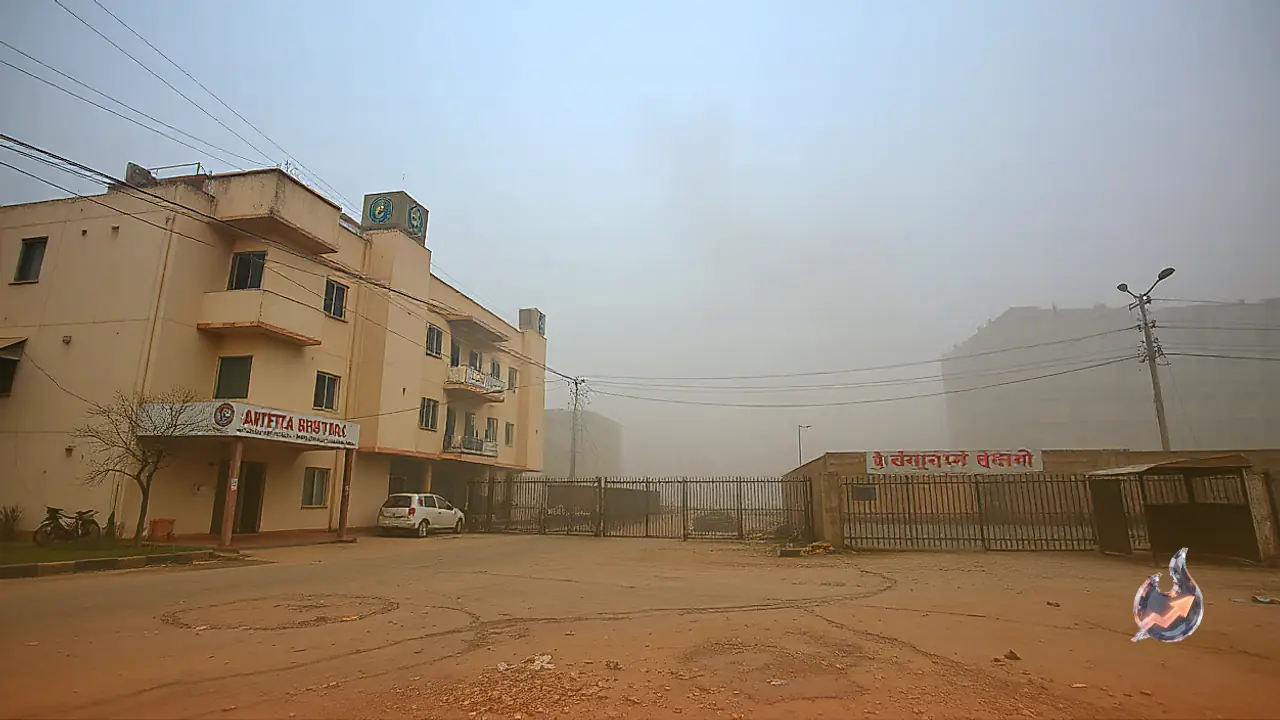














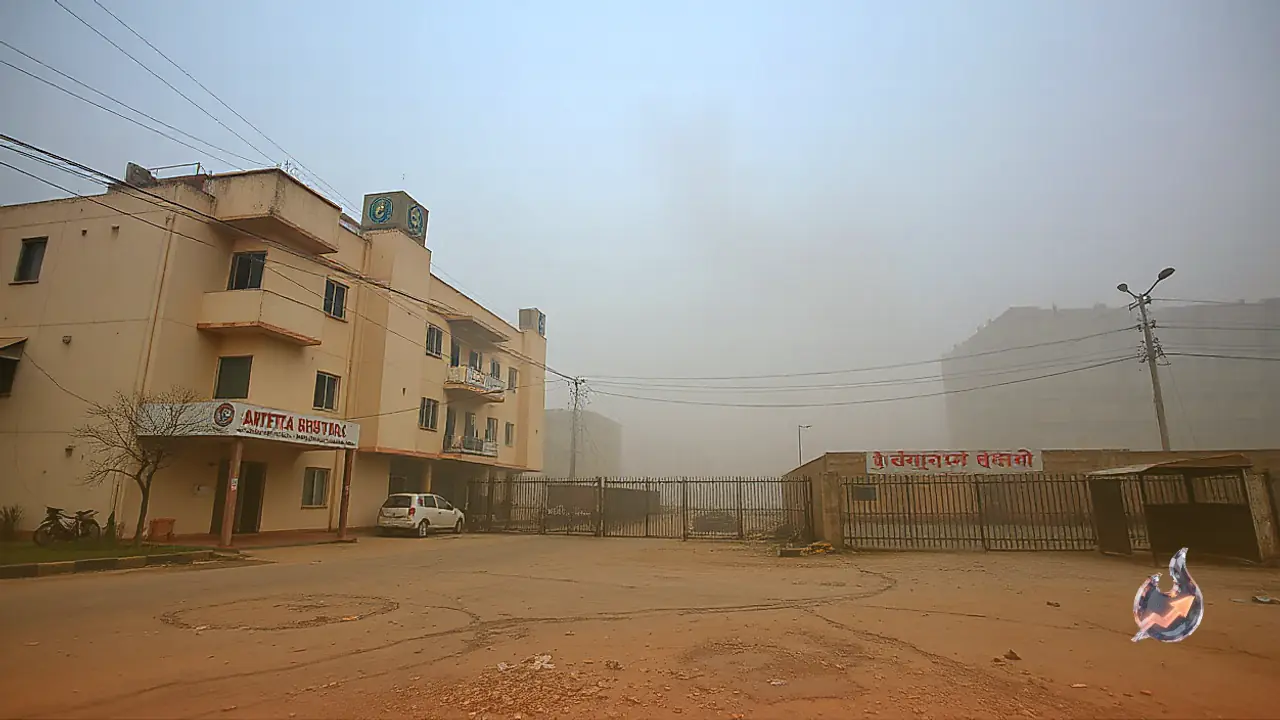

Dense smoke discharged from bursting firecrackers does not merely trigger burning sensations in the eyes or fleeting breathlessness; it strikes deeply at the structural wellness of human lungs. For young toddlers, senior citizens, and patients already coping with debilitating respiratory disorders like asthma or COPD, this suffocating atmospheric buildup turns remarkably dangerous. When high volumes of toxic smoke penetrate deep into the respiratory tract, distressing symptoms such as continuous coughing, heavy mucus accumulation, and acute breathlessness can surge rapidly. Addressing methods to shield lungs during such intense pollution spikes, Dr. Sourav Ahuja, Senior Consultant in the Department of Pulmonary Medicine at Amrita Hospital Faridabad, outlined comprehensive guidance.
How Firecracker Smoke Directly Damages Airways
Inhaling chemical emissions released by fireworks triggers immediate irritation across the respiratory passages. Dr. Sourav Ahuja explains that igniting crackers generates immense clouds of thick, harmful smoke. As this contaminated air reaches the windpipe and bronchial passages, it produces direct friction, inflammation, and discomfort along the delicate lining. Consequently, individuals rapidly experience bouts of coughing, excess phlegm production, and strained breathing. The overall severity of this physiological impact correlates directly with the density and duration of smoke an individual takes into their system. If an individual stands right next to bursting fireworks and breathes the concentrated plume directly, the likelihood of triggering severe lung complications escalates drastically.
Lasting Repercussions on Developing Lungs of Children
Young children remain extraordinarily susceptible to polluted surroundings because their respiratory systems are still actively developing. Dr. Sourav points out that the current generation of children is growing up in environments with chronic baseline air pollution. This sustained exposure is the fundamental driver behind surging cases of childhood asthma, respiratory distress, and repeated episodes of pneumonia. During the festival night, pollution readings spike abruptly to hazardous highs. Under these circumstances, if small children inhale copious amounts of firecracker smoke, the damage is not confined to temporary irritation on that single evening. Instead, it can permanently hinder the cellular expansion and normal developmental trajectory of their growing lungs. For this reason, guardians must strictly isolate young children from cracker fumes.
Elevated Danger for the Elderly and Chronic Respiratory Patients
The elderly and individuals carrying pre-existing pulmonary conditions face disproportionate threats from seasonal pollution surges. Dr. Sourav highlights that seniors whose lung capacity has diminished over time, along with people managing asthma or COPD, experience intense biological stress under heavy smoke exposure. Heightened pollution stands as a prime catalyst for worsening respiratory ailments. Even thoroughly controlled cases of asthma or COPD can abruptly destabilize after minimal contact with thick smoke. Often, the resulting respiratory distress becomes severe enough that patients must visit outpatient hospital departments the very next morning, while several fragile individuals require urgent admission to emergency care units within a day or two.
Practical Steps to Keep Indoor Air Clean and Breathable
Preventing contaminated outdoor air from infiltrating personal living spaces is essential during high-emission periods. Dr. Sourav advises residents to keep all household windows and exterior doors tightly shut throughout the night of intense firecracker activity. If smoke manages to seep indoors despite sealed barriers, operating an air purifier offers substantial relief in reducing particulate counts. Keeping specific indoor plants around living spaces is also considered highly beneficial for indoor air balance. In instances where smoke becomes visibly trapped inside a room, running an exhaust fan briefly helps expel the contaminated air outside. Furthermore, as long as any trace of lingering smoke persists within living quarters or around the neighborhood, individuals should wear a protective face mask, particularly during peak hours when crackers are being burned in large volumes outside.