
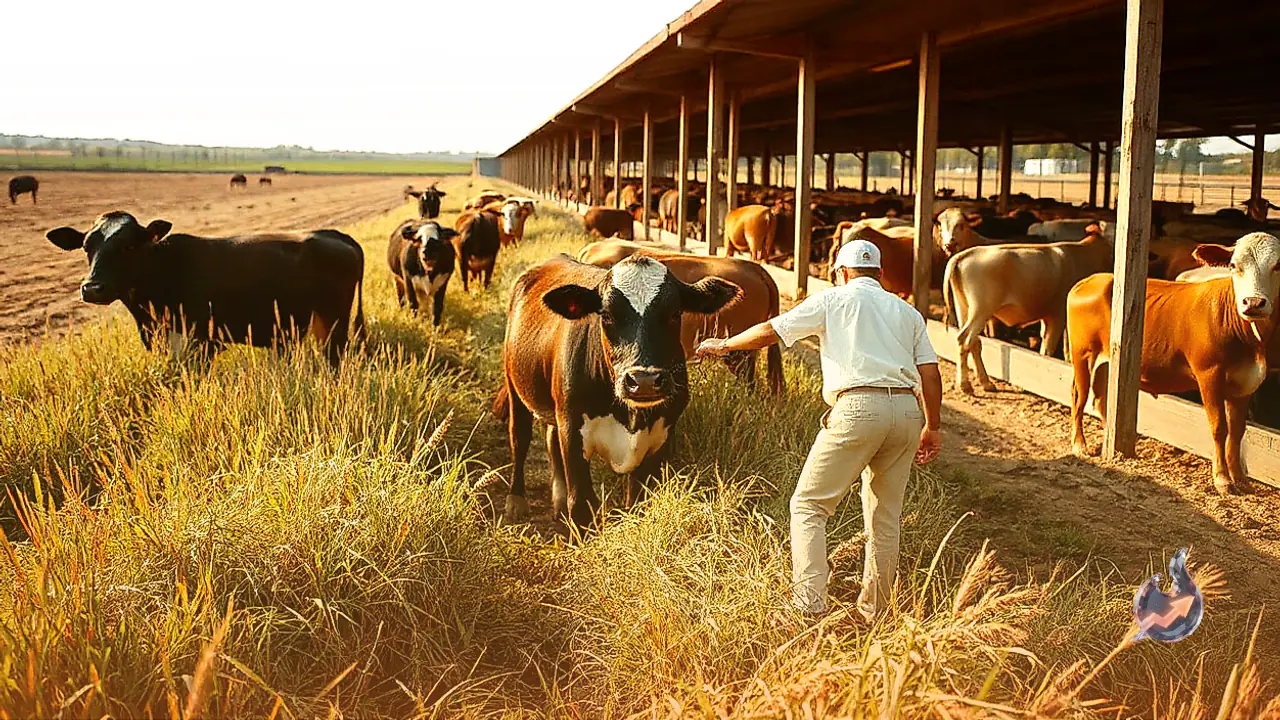


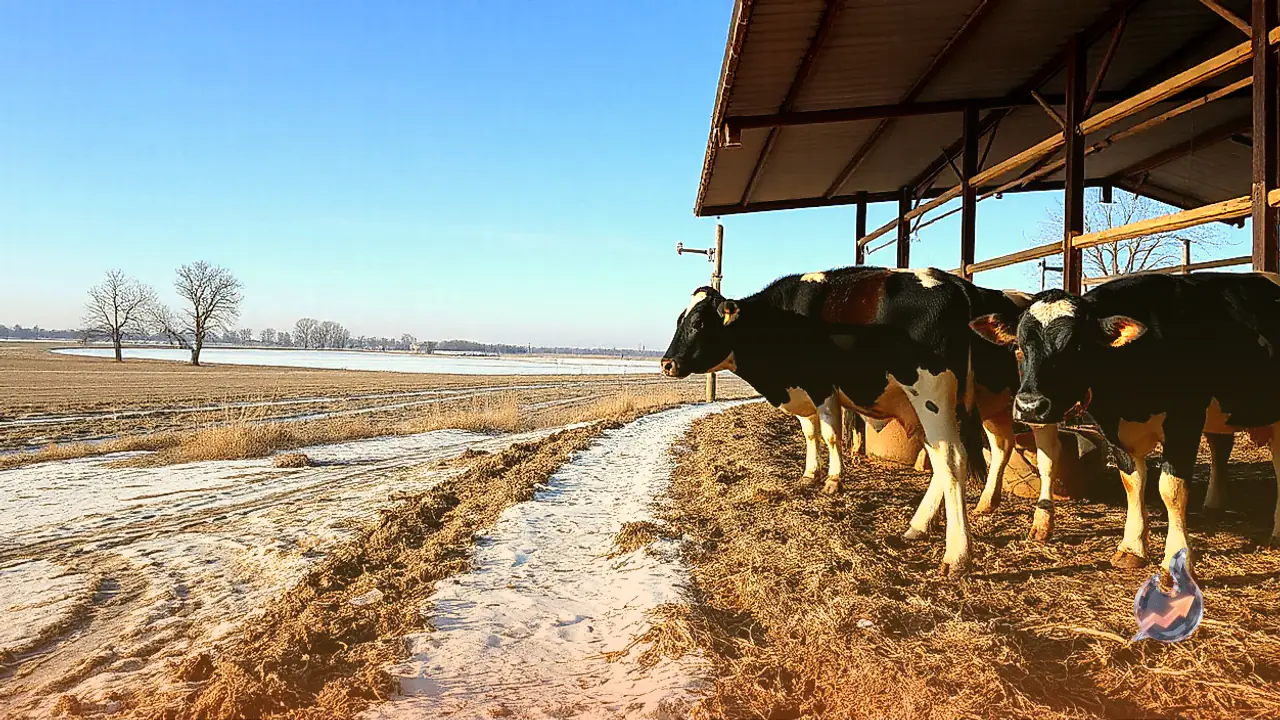



















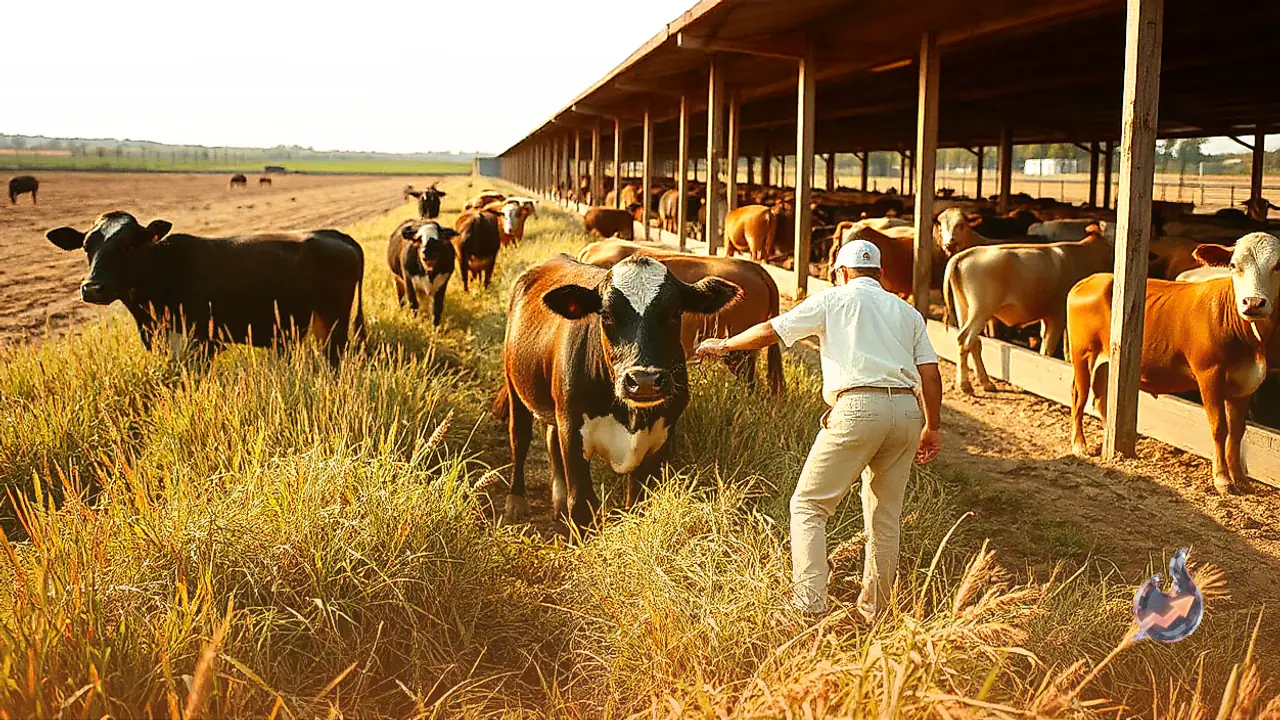

Dairy farmers often face decisions regarding the ideal diet to sustain and increase milk yields in their livestock. Experts point out that selecting the right green fodder serves as the foundation for enhancing animal health and milk production simultaneously. Among various feeding options, Napier grass and Barseem stand out as two of the most effective choices that livestock keepers can readily integrate into their daily feeding routines.
Sugarcane Hybrid Napier Grass Proves Palatable for Livestock
Animal specialist Yogendra Kumar Singh emphasizes that milk production depends on fulfilling two foundational nutritional needs: adequate protein intake and abundant green fodder. In this regard, Napier grass represents a practical feed choice because it is a cross variety developed with sugarcane. The natural sweetness makes it palatable, and cattle consume it eagerly. Alongside Napier, Barseem fodder is equally instrumental in driving up daily yields. Both Napier and Barseem are sown during the warm summer season. Furthermore, supplementing livestock feed with balanced portions of pulses ensures steady protein availability, preventing sudden drops in lactation levels.
Breed Adaptability and Weather Management in Dairy Cattle
Yogendra Kumar Singh also explained the structural and environmental differences between exotic and indigenous breeds. In India, Holstein Friesian (HF) cows require vigilant care during changing weather conditions. HF cattle have thin skin, making them vulnerable to rising temperatures. In the absence of proper heat management, intense summer heat leads to a decline in their milk output. In contrast, indigenous cattle breeds and crosses like Girlando possess thicker skin, giving them the resilience needed to tolerate higher ambient temperatures.
Variations in Milk Quality and Fat Content
The nutritional profile and fat content also differ significantly across these breeds. While milk from an HF cow may reflect around 30 percent fat proportion, indigenous cattle yield milk with approximately 70 to 75 percent fat. Although indigenous cows may produce a smaller volume of milk, the overall quality remains superior. To achieve an optimal nutritional balance, experts recommend feeding Barseem and Napier grass alongside coarse grains such as maize, pearl millet, and other staple cereals.