

















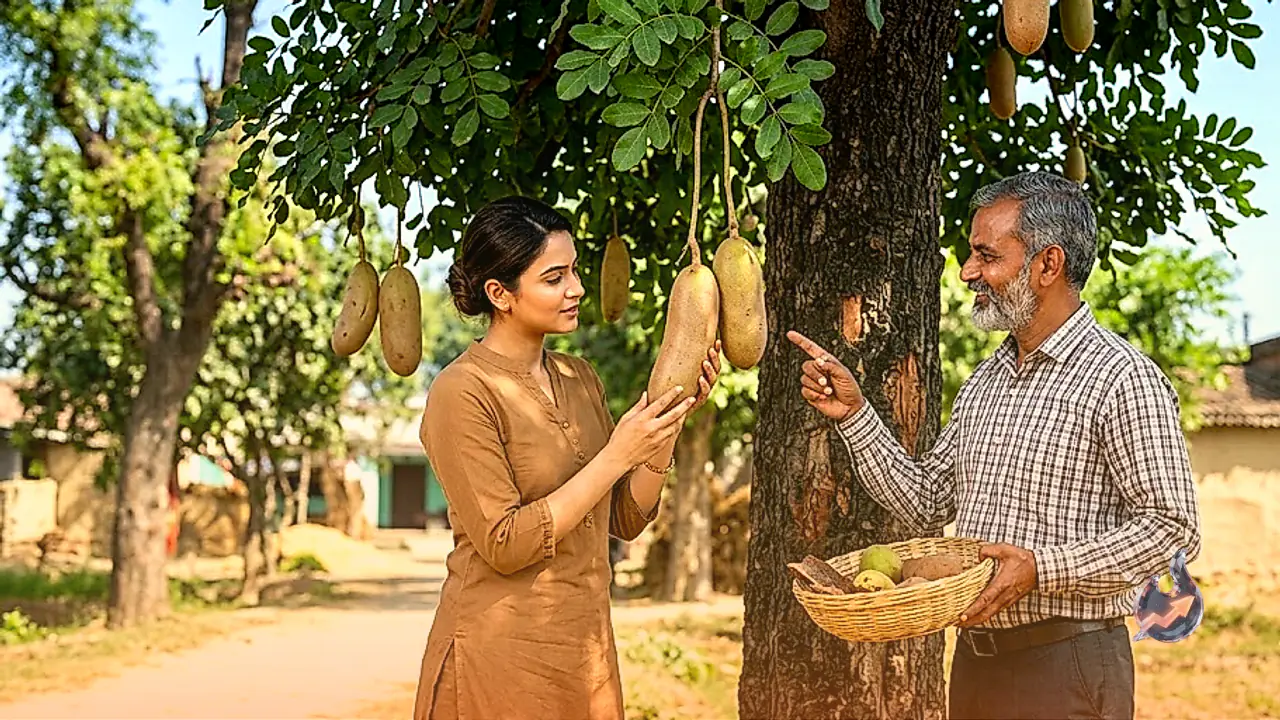

A rare medicinal tree located in the Ballia district of Uttar Pradesh has become a major subject of discussion and interest among local residents. Commonly known as the Balam Khira tree, this botanical species is highly valued in traditional healing practices. People from surrounding areas are flocking to the location to catch a glimpse of the tree and obtain its fruit, seeds, and bark, all of which are believed to possess significant curative properties. In Ayurveda, the plant has long been recognized for its role in addressing various ailments, particularly renal stones.
Rare Botanical Species Attracting Visitors Across Districts
Trees of the Balam Khira variety are exceedingly rare across Ballia district, making this specific tree a prized asset for the local community. Visitors travel considerable distances not only out of curiosity but also to procure parts of the tree for therapeutic preparations. Practitioners of traditional wellness note that every portion of the plant contains active therapeutic elements. The dried form of its fruit remains in high demand at traditional herbal markets, where buyers seek it out for natural health remedies.
Local Residents Share Insights On Care And Demand
Vishwanath Verma, a resident of Barwa village, emphasized the practical and traditional importance of the tree, stating that it serves as both medicine and a blessing for the community. He explained that the plant is primarily recognized for helping resolve kidney stone conditions. Notably, the tree does not require specialized fertilizers or extensive watering to flourish. Its primary requirement is protection from people who attempt to pluck its fruit prematurely without permission.
Surendra Verma, the owner of the Balam Khira tree, shared that people travel from distant regions to procure the fruit directly for medicinal use. He noted that once the fruit is dried and aged, it commands premium prices in herbal trade establishments owing to its persistent demand.
Market Dynamics And High Herbal Store Prices
Highlighting the scarcity of the tree, local resident Mukesh Chauhan mentioned that finding such a specimen in Ballia is extremely uncommon. This rarity drives individuals from both within the district and neighboring areas to seek out the tree's medicinal yields. In traditional herb markets, dried Balam Khira can fetch prices up to ₹1000 per kilogram due to its specialized usage in herbal remedies.
Medical Advice On Preparation And Dosage Methods
Dr. Vandana Tiwari, a Medical Officer with five years of experience at the Rajkiya Ayurvedic Chikitsalaya in Nagar Ballia, provided detailed insights into the correct usage of Balam Khira. She confirmed that the plant has been used traditionally for centuries to treat kidney stones and outlined two primary methods of consumption.
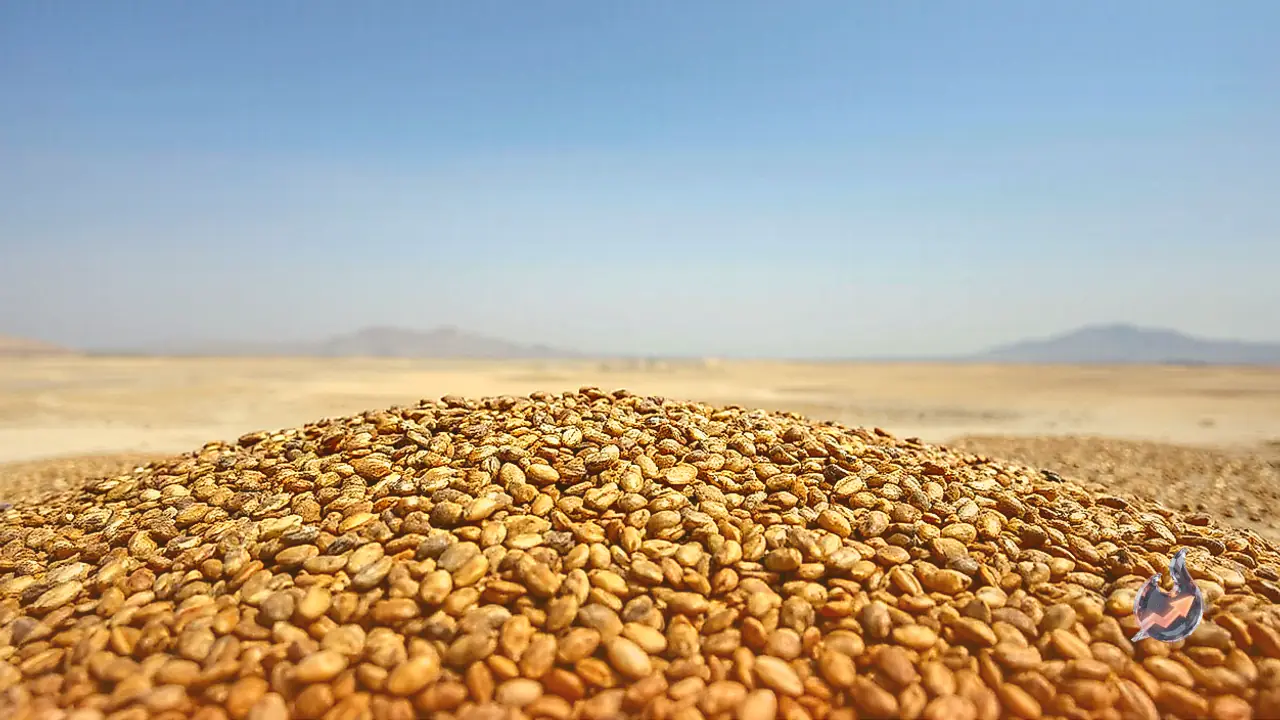
- Seed Preparation: Soak one teaspoon of Balam Khira seeds in water overnight and consume them the following morning alongside rock sugar (mishri).
- Fruit Powder: Dry the fruit completely, grind it into a fine powder, and consume a dose of three to five grams.
Essential Dietary Precautions And Proper Hydration
Dr. Vandana Tiwari cautioned that individuals should never consume Balam Khira without consulting a qualified Ayurvedic practitioner. Since Ayurvedic medicine offers multiple treatments for kidney stones, self-medication could prove harmful without proper diagnostic guidance.
Beyond renal care, Balam Khira is believed to help relieve digestive issues such as abdominal gas and constipation, while powder made from its bark is utilized to aid wound healing. The remedy is thought to break kidney stones into smaller fragments so they can pass naturally through the urinary tract. During the treatment period, patients must maintain high fluid intake by drinking plenty of water. Additionally, individuals are advised to strictly avoid foods like eggplant, tomatoes, leafy green vegetables, and items rich in calcium.