





















Federal health authorities in the United States have issued urgent warnings following a series of widespread Salmonella outbreaks that have infiltrated multiple segments of the nation's food supply. Contamination has been detected across fresh produce, poultry products, dietary supplements, and commercial pet food, triggering massive product recalls and multi-state epidemiological investigations. Food safety experts emphasize that rising summer temperatures create ideal environmental conditions for bacterial proliferation, amplifying public health risks as hundreds of consumers suffer from severe gastrointestinal illnesses and hospitalizations.
Jalapeño Outbreak Triggers Massive Retail Recalls
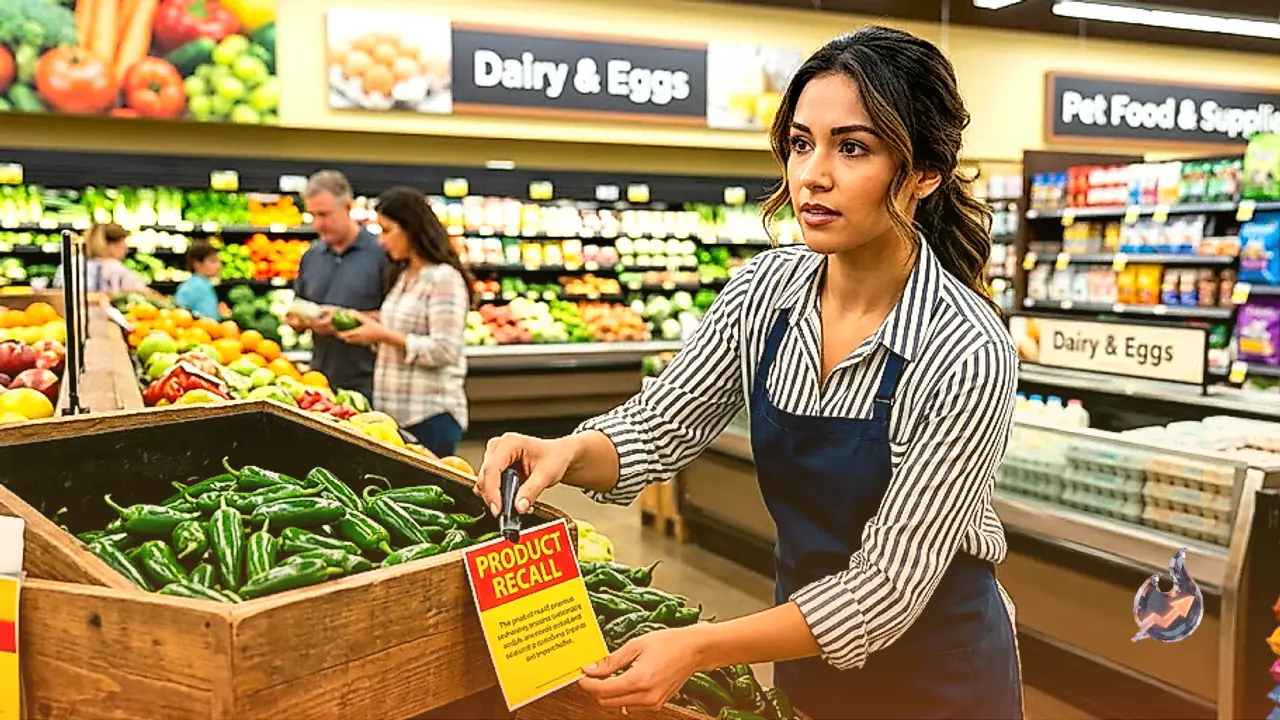
According to an August 19 outbreak update provided by the Centers for Disease Control and Prevention, a major Salmonella outbreak linked to contaminated jalapeño peppers has expanded to 431 reported illnesses across 32 states. The severity of the infection has led to at least 57 hospitalizations. Federal investigators traced the source of the infected produce to agricultural fields in Sinaloa, Mexico, which were imported and distributed throughout North America by Coast Citrus Distributors.
Following the identification of the contamination vector, the distributor executed a voluntary recall of affected shipments. The decision initiated a swift removal of jalapeño-derived food products from the shelves of major national grocery chains, including Trader Joe’s, Whole Foods, Kroger, and Target. Retailers pulled items such as pre-packaged salsa, fresh guacamole, prepared salad dressings, and spicy dips. Concurrently, popular fast-casual restaurant chains Chipotle and Qdoba suspended the serving of fresh jalapeños across their locations to safeguard customers from potential exposure.
Egg Recalls Surge with 19 Million Units Withdrawn
A parallel Salmonella outbreak tied to shell eggs has sickened 98 individuals across 17 states, resulting in 26 hospitalizations. Public health officials identified Midwest Poultry Services as a common supplier linked to several cases, though authorities noted that the company’s facilities do not account for all reported infections in the cluster. Investigations into additional production facilities and regional distribution networks remain ongoing.
In response to the health threat, Midwest Poultry Services initiated a voluntary recall in July covering approximately 19 million eggs. The affected eggs originated from production and distribution farms located in Texas. Regulatory agencies are working with egg producers to audit biosecurity protocols and prevent further distribution of contaminated poultry products.
Dietary Supplements and Dog Food Contaminated
The scope of Salmonella contamination extends beyond traditional dinner tables into specialized dietary supplements and commercial pet foods. Hampton Grocers issued a recall for its Lacnola Lactation Granola after identifying potential Salmonella contamination. The risk was linked specifically to organic moringa powder, a nutrient-dense green ingredient derived from the leaves of the South Asian moringa tree. Health agencies have tracked multiple Salmonella outbreaks associated with imported moringa leaf powder and botanical dietary supplements over the past year.
Animal health has also been impacted, with Oma’s Pride recalling packages of its Woof Complete Canine Chicken Recipe dog food. The recall was prompted after the Food and Drug Administration received a consumer complaint and analyzed product samples, which subsequently tested positive for Salmonella. According to the official FDA notice, three canine illnesses have been reported in connection with the contaminated dog food batch.
Symptoms, Incubation, and High-Risk Populations
Salmonella infection, or salmonellosis, manifests through distinct gastrointestinal symptoms including acute diarrhea, fever, and abdominal cramping. These symptoms typically develop between 12 and 72 hours after ingesting contaminated food or coming into contact with infected animals. While healthy adults often recover without medical intervention, the illness presents serious hazards to vulnerable demographics.
Young children, elderly individuals, and persons with compromised immune systems face heightened risks of severe, systemic, or fatal complications. In severe cases, the bacteria can spread from the intestines into the bloodstream, requiring immediate antibiotic treatment and intensive medical care.
Environmental Factors and Summer Seasonal Spikes
Food safety specialist Ellen Shumaker from NC State Extension notes that Salmonella outbreaks spike predictably during summer months. Warmer weather encourages outdoor dining, picnics, and increased consumption of raw, fresh produce, creating more opportunities for exposure.
Ellen Shumaker explained, "When we see warmer temperatures, that is going to create conditions that are favorable for bacteria like salmonella or parasites like cyclospora to grow." She cautioned that leaving perishable foods or prepared meals unrefrigerated at ambient temperatures for more than two hours creates a hazardous environment where harmful pathogens multiply rapidly.
Biological Mechanisms of Hen and Produce Contamination
Unlike parasites such as Cyclospora, which exclusively infect humans, Salmonella is a zoonotic bacterium capable of infecting both human and animal hosts. The egg-related outbreak specifically involves Salmonella enteritidis, a strain adapted to colonize the reproductive tract of laying hens. This strain contaminates the internal contents of the egg before the shell is formed inside the bird.
Laying hens contract the bacteria through exposure to contaminated feed, water supplies, farm soil, or direct contact with wild birds and rodents. Farm workers can also inadvertently introduce the pathogen into poultry housing via contaminated footwear or clothing. Food microbiologist Jennifer McEntire, founder of the consulting firm Food Safety Strategy, emphasized that this specific strain has a long-established association with poultry operations. Consequently, the FDA enforces strict regulations mandating that commercial egg producers maintaining 3,000 or more laying hens perform routine diagnostic testing for Salmonella enteritidis.
Agricultural Runoff and Irrigation Water Pathways
In fresh produce cultivation, contaminated irrigation water serves as the primary vector for spreading Salmonella, echoing transmission patterns observed with Cyclospora. Edward Dudley, a professor of food science at Penn State, pointed out that agricultural regions hosting both crop farming and animal husbandry face inherent cross-contamination risks.
Professor Edward Dudley explained that when livestock facilities are located in close proximity to crop fields, animal waste containing Salmonella or E. coli can easily wash into surface waters utilized for crop irrigation, eventually transferring pathogens directly onto growing produce.
Prevention Practices and the Role of Cooking
Professor Dudley advises consumers to exercise practical caution rather than alarm, provided they have discarded recalled products. Key preventative measures include thorough handwashing prior to food handling, rigorous sanitation of cutting boards and food preparation surfaces, rapid refrigeration of perishable items, cooking raw meats and eggs to safe internal temperatures, and strict separation of raw animal products from ready-to-eat foods in domestic kitchens.
Dudley highlighted that effective heat treatment remains the ultimate defense against bacterial infection, noting that thorough cooking completely eliminates Salmonella. However, widespread consumer preference for raw fresh produce in the US maintains ongoing exposure risks. Meanwhile, health secretary Robert F. Kennedy Jr. has spent the summer advocating for fresh produce consumption alongside diets emphasizing meats and fermented foods.