
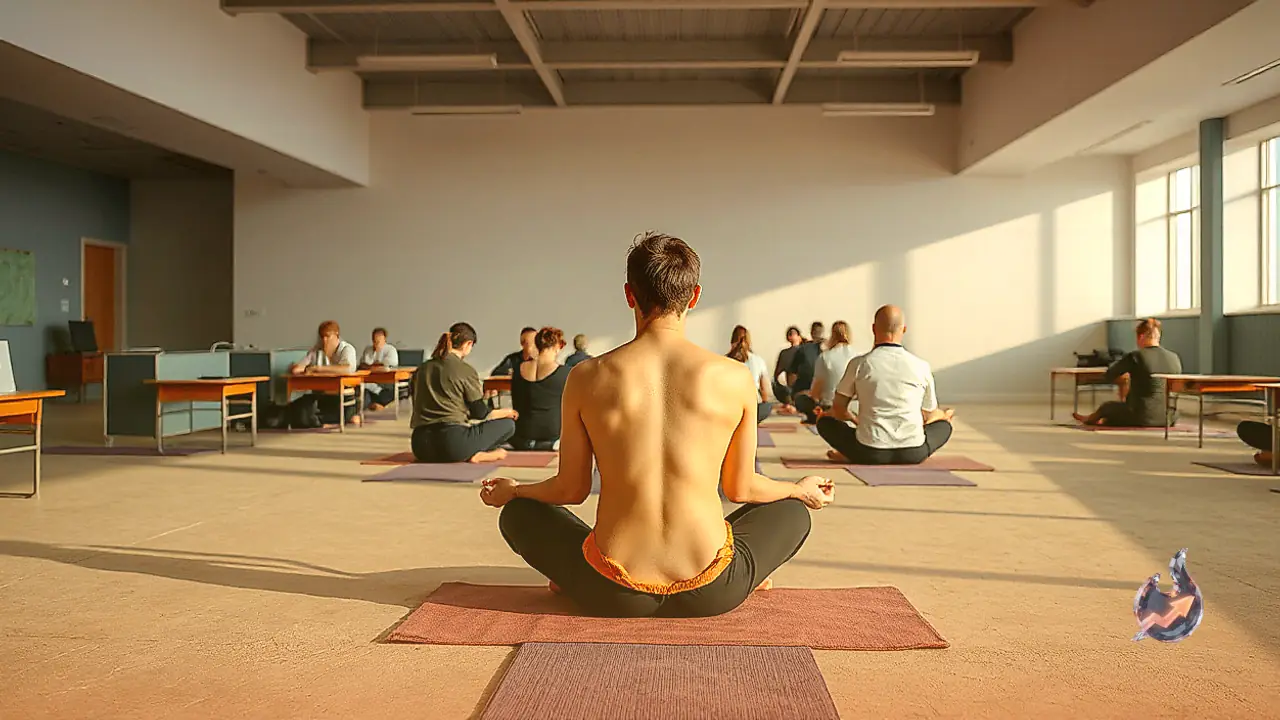















Sitting in a desk chair for long hours every day often leads to stiffness in the back and waist for many people. To combat this physical discomfort and restore flexibility to the body, Hastottanasana serves as a highly effective yoga posture. In this particular asana, a person raises their arms overhead, stretches the entire body upward, and bends backward slightly. This movement creates a noticeable stretch in the spine, shoulders, and abdominal muscles. Notably, this posture also forms the second and eleventh steps of the traditional Sun Salutation sequence. Practicing this asana regularly and correctly helps reduce bodily stiffness, boosts physical activity levels, and leaves a person feeling refreshed throughout the day.
Breaking down the Sanskrit terminology, the word Hastottanasana is derived from two distinct root words. Here, the term hast means hand, while the term uttana signifies an upward stretch. During this posture, an individual lifts both arms straight above the head and stretches the torso upward to its full length. Experts generally consider the morning hours to be the best time to perform this routine for optimal physical benefits.
When a person performs Hastottanasana, it creates a gentle stretch along the spinal column and the surrounding musculature. This gentle pulling action helps maintain the natural flexibility of the body over time. Raising the arms high and stretching the torso during this exercise effectively stretches the muscles of the shoulders, arms, and abdomen, relieving accumulated tension in those areas.
Performing Hastottanasana involves taking deep breaths while stretching the arms upward, which infuses the body with a renewed sense of freshness. Doing this asana in the morning helps kickstart the day with an active and energized mindset. Bending the upper body slightly backward during the routine stretches the abdominal muscles, facilitating a comprehensive full-body stretch.
This posture places significant emphasis on deep and controlled breathing patterns. Focusing on the breath while holding the stretch helps calm the mind and improves overall mental concentration. However, certain precautions must be kept in mind while practicing this routine. Individuals suffering from severe back or neck pain, or those who have sustained a recent injury, should consult a doctor or a certified yoga instructor before attempting this asana. Practitioners must ensure they do not bend their bodies backward excessively beyond their comfort level. People who experience frequent dizziness or suffer from severe heart conditions should perform yoga exclusively under professional supervision. If anyone feels pain or discomfort while executing the posture, they should stop immediately.