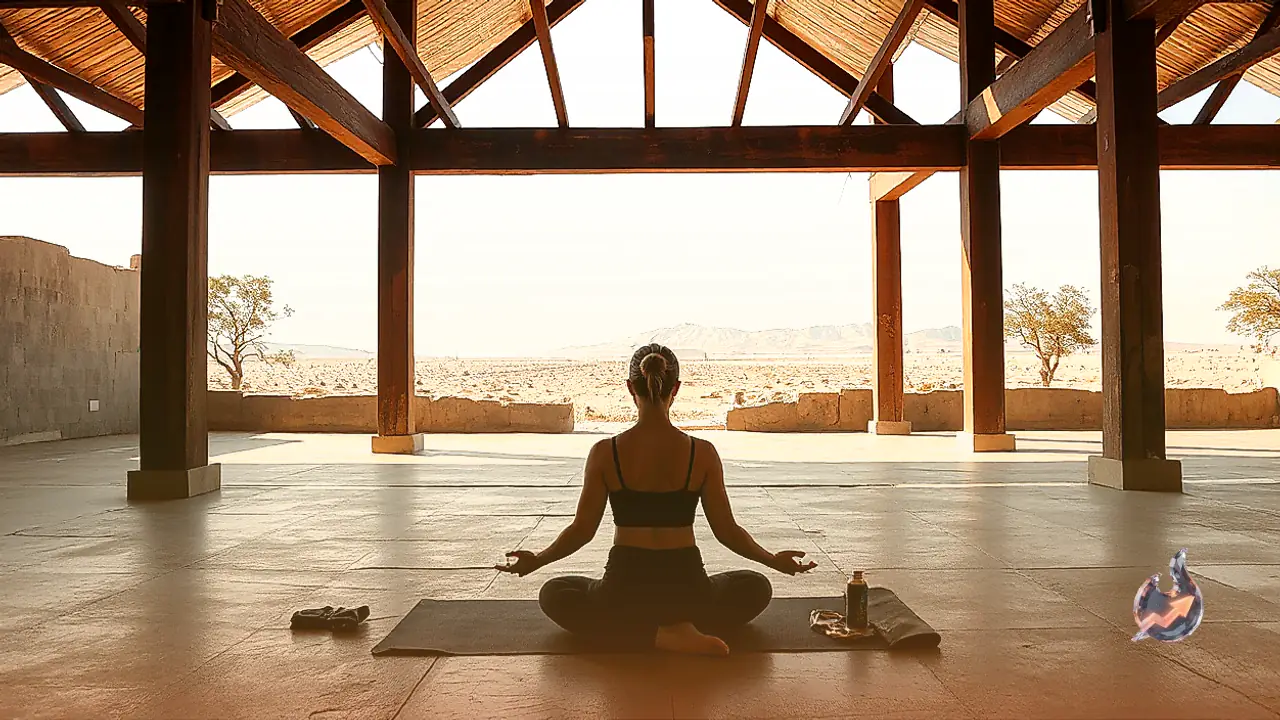






















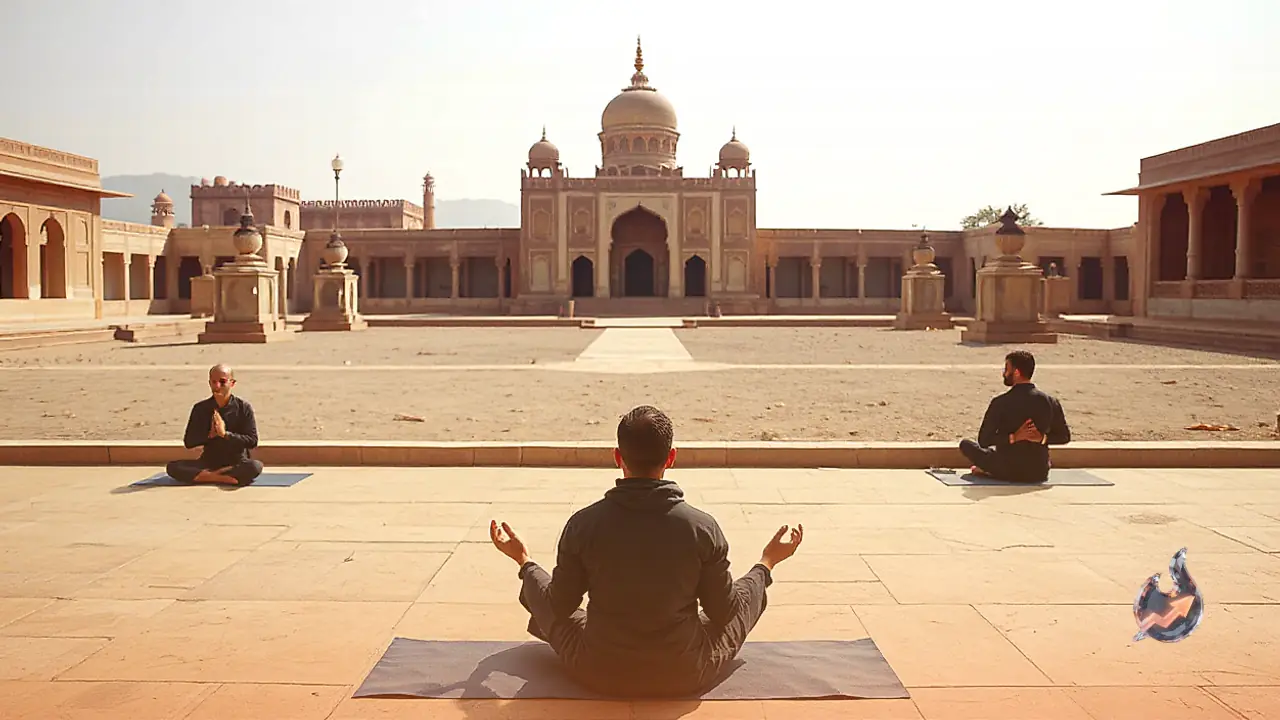

Yoga not only helps keep the physical body healthy but also plays a crucial role in calming the mind. Regular practice of yoga assists in increasing bodily flexibility, strengthening muscles, and reducing mental stress. Within the yogic tradition, several postures go beyond standard exercises to focus heavily on improving body balance and stability. One such prominent posture is Baddha Padmasana, which is widely considered an advanced variation of the traditional Padmasana.
Successfully executing this posture requires an adequate level of flexibility and physical balance. In the heritage of yoga, this specific asana is regarded as highly beneficial for achieving physical stability, mental peace, and deep meditation. However, it is essential to perform it with the correct technique and necessary precautions. Let us explore the proper method of performing Baddha Padmasana along with its notable health benefits.
Meaning and Breakdown of Baddha Padmasana
The term Baddha Padmasana is derived from two distinct words where 'Baddha' translates to bound or locked, and 'Padma' refers to a lotus. Performing this posture involves sitting in the classic lotus position and reaching both arms behind the back to firmly grasp the big toes of the feet. This asana is considerably more challenging than normal Padmasana because it demands substantial flexibility in the hips, knees, shoulders, and arms. In yogic practices, this pose is traditionally utilized to keep the body completely steady and to aid in meditation. Before attempting this advanced posture, mastering basic Padmasana is considered a mandatory prerequisite.
Enhancing Body Flexibility and Posture
During this asana, the legs, hips, and shoulders are positioned in a specific and disciplined alignment. Consistent and correct practice can significantly improve the flexibility of these targeted areas. Nevertheless, practitioners must strictly avoid forcing or overstraining the body into extreme bends. Baddha Padmasana encourages keeping the torso upright and straight, which helps activate the back muscles and improve overall sitting posture. Maintaining a correct posture alongside regular physical activity is vital for keeping the spine healthy and strong.
Benefits for Digestion and Mental Calmness
Sitting in the posture of Baddha Padmasana also proves highly advantageous for digestive health. Daily practice of this asana can assist in preventing digestion-related troubles and accelerating recovery from such issues. Furthermore, sitting with complete stillness while focusing intently on one's breath helps in achieving profound mental tranquility. This is precisely why such advanced mudras are frequently integrated into comprehensive yoga and meditation regimens.
Important Precautions to Keep in Mind
Beginners should always start by practicing the standard Padmasana before attempting to advance into Baddha Padmasana under the expert guidance of a certified yoga instructor. If an individual experiences any pain in the knees, hips, or shoulders, they must never force the body into this locked position. People suffering from pre-existing joint issues or prior injuries should consult a qualified specialist before beginning this practice.