


















Glued to illuminated glass displays, mindlessly gliding past endless algorithmic video feeds, and wrestling with the unspoken pressure to project an impeccably accomplished identity have combined to make contemporary life deeply taxing. The continuous hum of digital connectivity leaves very little room for mental decompression, feeding an ambient undercurrent of unease, melancholy, and burnout. Against this background of hyperconnected exhaustion, a comforting lifestyle shift is gathering quiet momentum as individuals actively revive slow leisure pursuits traditionally associated with older generations. Long before pocket-sized devices dominated spare moments, domestic life revolved around mindful, methodical handicrafts. These were slow, deliberate endeavors carried out with bare hands rather than rapid taps, and returning to those tactile practices is now emerging as a potent balm against the relentless noise of the digital sphere.
Tactile Immersion Free from Technological Distractions
Labeling these practices as pastimes from an earlier era is not a slight, but an affectionate nod to past generations who anchored their days in uncomplicated, tactile routines. The defining attribute across all such activities is the near-total exclusion of screens, electronic circuits, and automated shortcuts, granting the nervous system a rare, uninterrupted interval to settle down.
Art therapist Emily Sharp points out that the fundamental strength of these vintage activities lies precisely in the complete absence of tech interventions. Immersing oneself in such creative routines demands deceleration, prompts individuals to engage their physical senses, and invites personal creation without the weight of expectations or performance metrics. It is precisely this unpressured sensory contact that has gone missing from fast-paced modern living.
Ten Hands-On Habits That Foster Inner Quiet
Stepping away from virtual chatter does not require dramatic retreats; embracing tactile, deliberate crafts offers an immediate anchor for a restless mind
- Yarn Knitting and Crocheting: Counting loops on wooden needles to fashion a scarf or garment gathers scattered focus into a rhythmic, steady cadence. The predictable, repeating movement acts as an effective stabilizer against running worries.
- Needlework and Hand Stitching (Cross-Stitch): Guiding a needle and thread through plain fabric remains one of the oldest and most dependable ways to dismantle tension. Tracing intricate designs stitch by stitch anchors attention entirely in the present moment.
- Pottery and Clay Modeling: Feeling damp clay spin beneath bare palms while gradually coaxing it into functional pottery calms the sensory channels. The direct connection to raw earth delivers a distinct grounding sensation.
- Painting and Freeform Drawing: Blending pigments and sweeping strokes across paper provides an unrestricted channel to release unspoken emotions. Free from right-or-wrong rules, visual art helps process internal turmoil safely.
- Home Gardening: Sifting through outdoor soil, watering pots, and tending culinary herbs creates a direct line of contact with the natural world. The earthy aromas and physical care required to keep greenery alive reliably lift flagging spirits.
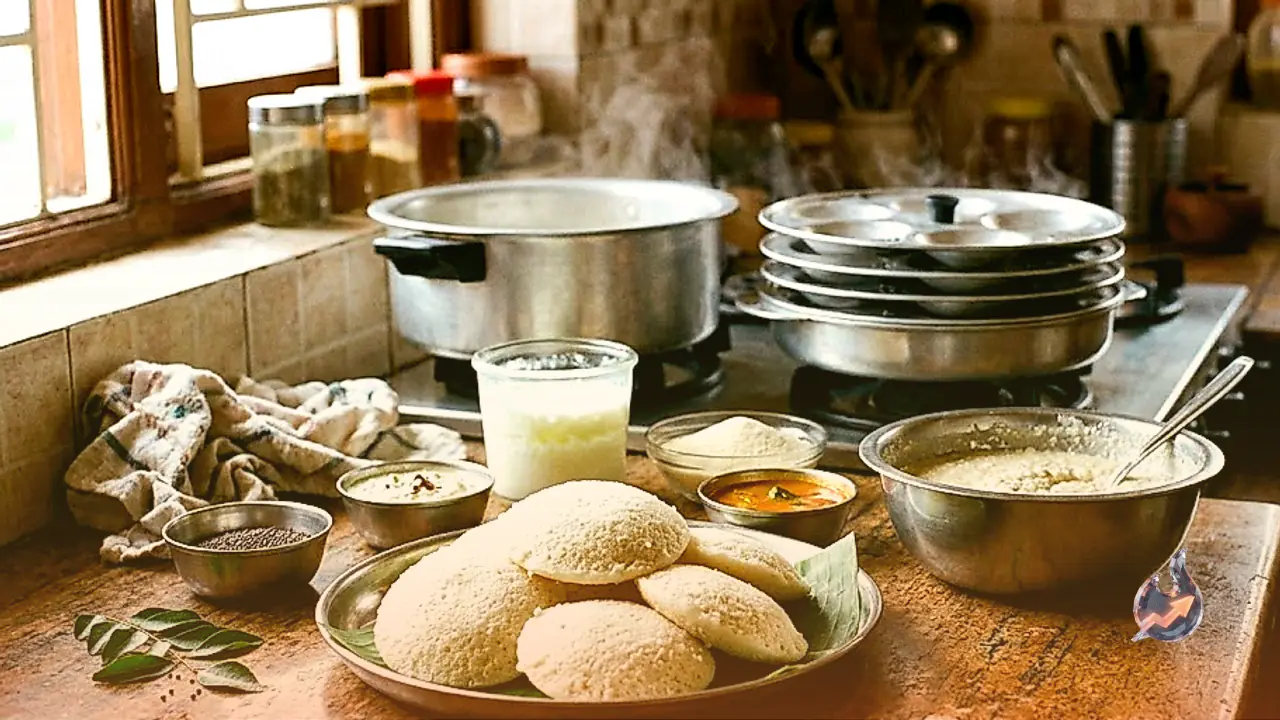
- Artisanal Baking at Home: Measuring flour, kneading dough, and baking loaves or treats from scratch yields an inner fulfillment that store-bought goods simply cannot match. The physical labor paired with warming aromas creates a genuinely comforting domestic environment.
- Writing Letters by Hand: In an era dominated by instantaneous messaging and automated text, setting ink to stationery feels like a restorative, therapeutic pause. Putting thoughts on paper clarifies emotions and slows down runaway thought loops.
- Solving Pen-and-Paper Puzzles and Board Games: Working through crosswords, sudoku puzzles, or sitting down over traditional board games offers mental stimulation completely uncoupled from blue-light displays, keeping analytical faculties sharp without digital fatigue.
- Morning Bird Watching: Spending early daylight hours tracking wild birds among tree canopies and listening to their calls swiftly washes away persistent mental fog, grounding awareness in open surroundings.
- Patchwork and Quilt Construction: Piecing together assorted fabric scraps to fashion a functional, durable quilt channels imaginative focus into practical beauty. Arranging varied textures and patterns creates an enduring sense of quiet accomplishment.
A Deliberate Rejection of Non-Stop Hustle
Adopting an analog hobby certainly requires more initial discipline and patience than passively swiping through a stream of short videos. However, the lasting composure, emotional equilibrium, and tangible satisfaction delivered by slow physical crafts occupy an entirely different plane than transient online amusement.
Fibre artist, author, and Cape Town Craft Club founder Andi Reeves observes that the surge in demand for hands-on crafting has grown remarkably visible. According to Reeves, the younger cohort has grown thoroughly weary of relentless work demands and the suffocating expectation to appear perpetually occupied within hustle culture. Modern individuals are deliberately seeking breaks from glass surfaces to touch tangible raw materials, trust their physical senses, and experience the simple joy of shaping something using their own manual labor. Moreover, in an economy saturated with uniform, mass-manufactured commodities, producing an item with one's own hands restores a deeply personal sense of identity and individual pride.
Carving out brief windows from crowded schedules to take up any of these heritage crafts can serve as an accessible, non-pharmacological buffer against persistent worry and depressive moods. Setting smartphones aside for an afternoon and picking up a time-tested manual skill might just be the most restorative choice one can make this weekend.