




















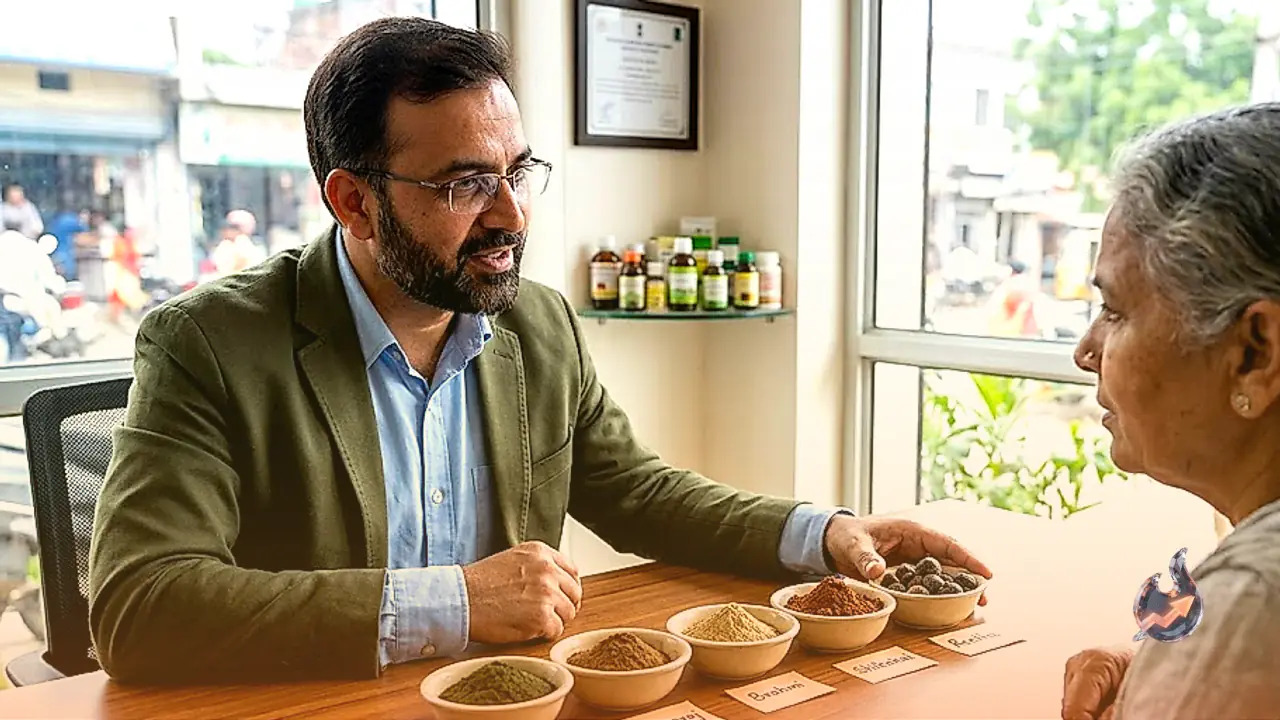

Persistent hair loss, severe thinning, and dull strands have become increasingly common challenges in modern lifestyles. Consumers routinely spend substantial amounts on expensive shampoos, conditioning masks, and cosmetic serums, yet these packaged formulations frequently fail to deliver the desired restoration. Consequently, interest regularly returns to time-tested domestic routines and herbal remedies. According to Dr Mohammad Iqbal, AYUSH Medical Officer in Rampur, five traditional botanical powders, namely amla, bhringraj, brahmi, shikakai, and reetha, have long served as primary foundations for scalp and hair maintenance. Integrating these natural ingredients into regular cleansing schedules or conditioning packs can assist in sustaining healthy hair vitality.
Nourishing Roots With Bhringraj Application
Bhringraj holds an extensive historical presence in hair wellness practices. Dr Mohammad Iqbal explains that bhringraj powder can be blended either with clean water or mixed into a standard hair oil to form a smooth topical pack. Applying this paste directly across the roots and scalp surface helps maintain soft strands while supporting structural tensile strength from within. This method serves as a gentle supportive routine for individuals troubled by fragile follicles.
Revitalising Brittle Strands Using Brahmi
Brahmi powder is another prominent ingredient cited in longstanding home care regimens. As noted by Dr Iqbal, applying brahmi within a prepared paste helps tend to lifeless, brittle, and dry hair textures. Nevertheless, basic dermatological caution remains necessary. Individuals trying brahmi powder for the first time should perform a localized patch test beforehand, as every person has distinct scalp sensitivity and can occasionally experience unforeseen reactions to botanical compounds.
Natural Cleansing Through Shikakai And Reetha
Shikakai and reetha function as traditional non-chemical washing agents due to their intrinsic chemical composition. Dr Iqbal points out that both botanicals carry natural saponins, which actively cleanse accumulated dirt, sebum, and environmental residue from the scalp and strands. For this reason, traditional practitioners have historically combined shikakai with amla and reetha to wash hair thoroughly.
However, excessive application of these cleansing powders requires moderation. Shikakai and reetha can deplete existing surface moisture if overused, creating additional brittleness. Individuals who already possess particularly dry or frizzy hair textures must minimize the proportion of reetha within their wash blends to prevent worsening dehydration across their scalp.
Nutritional Value Of Amla In Scalp Care
Amla remains a cornerstone of traditional wellness because it provides significant concentrations of vitamin C along with antioxidants. Preparing amla powder as a standalone paste with water or blending it with oils provides topical conditioning. Furthermore, combining amla alongside shikakai and reetha balances purification with nourishment, providing a comprehensive domestic treatment without artificial additives.
Addressing Root Causes And Seeking Clinical Guidance
Dr Mohammad Iqbal emphasizes that relying solely on a single herbal powder will not abruptly halt acute hair fall. Excessive shedding is frequently driven by broader physiological triggers, including nutritional deficits, elevated chronic stress, hormonal fluctuations, genetic predispositions, and distinct scalp disorders. Because of these complex variables, traditional botanical powders should be regarded strictly as supportive hair care aids rather than definitive cures for underlying clinical ailments. If rapid hair thinning occurs, patchy bald spots emerge, or scalp surfaces display continuous itching and visible redness, seeking direct evaluation from a healthcare expert is essential.