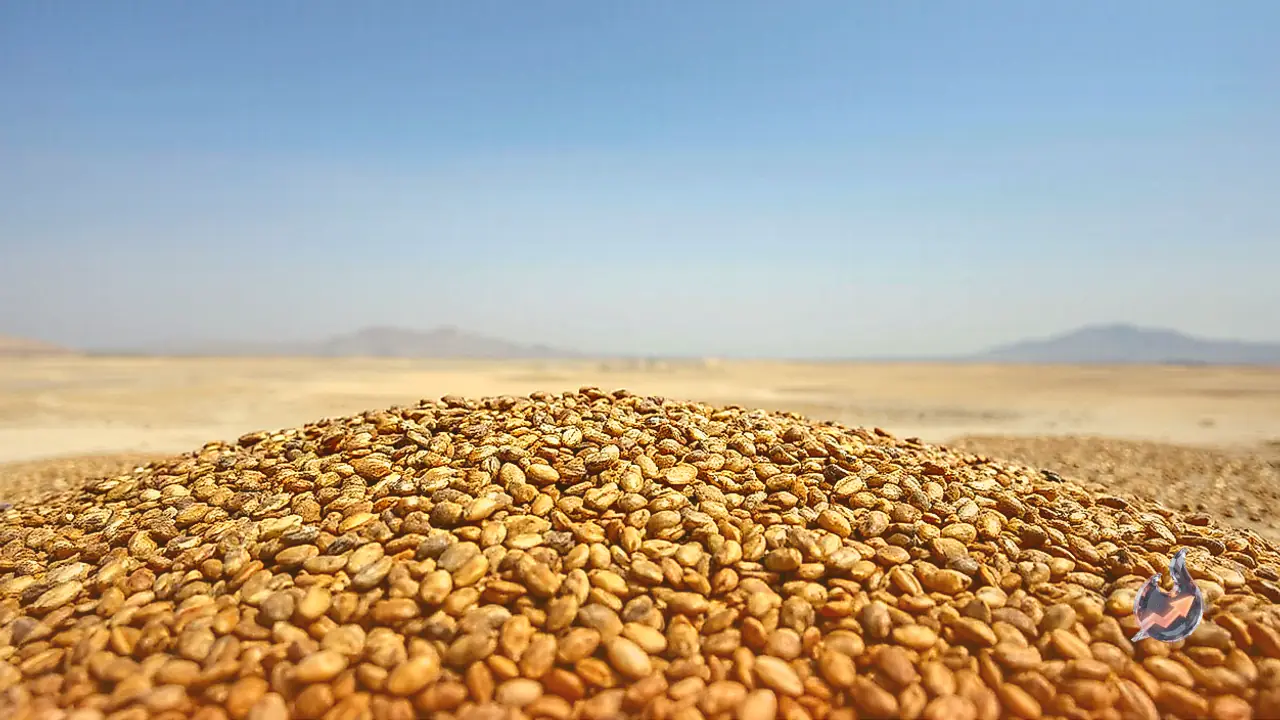

























Dried grapes, commonly known as Munakka in Indian households, serve not just as a nutritious dry fruit but also as a versatile component in traditional domestic remedies. When selected and cooked properly, this pantry staple offers natural comfort for various ailments ranging from chronic constipation to body pain and throat irritation. Dr. Mohammad Iqbal, an Ayush Medical Officer based in Rampur, explains that the therapeutic efficacy of Munakka depends heavily on its method of preparation and ingredient combinations. In particular, pairing Munakka with Khubkala (Hedge mustard seeds) is traditionally recognized for alleviating digestive discomfort, lingering fevers, and respiratory dryness.
Managing Constipation and Improving Bowel Motility
For individuals suffering from irregular bowel movements or persistent constipation, Munakka presents a gentle natural intervention. According to Dr. Iqbal, the recommended method involves taking 4 to 5 dried raisins and carefully removing their inner seeds. These deseeded raisins should then be boiled in water until thoroughly softened. Patients are advised to consume the boiled raisins and drink the residual water. Alternatively, boiling the deseeded fruit in milk is also a popular domestic practice.
Munakka is rich in dietary fiber and natural fruit sugars such as fructose. When ingested in moderate quantities, these nutrients stimulate intestinal peristalsis and help maintain smooth digestive activity. Incorporating soaked or boiled Munakka into the daily diet can ease post-meal stomach heaviness and sluggish digestion. However, medical experts caution against excessive consumption, as taking too many raisins at once can trigger loose stools or abdominal discomfort.
Preparing Stuffed Munakka with Khubkala for Fever Relief
A specialized traditional remedy for fever and associated body aches involves combining Munakka with Khubkala seeds. To prepare this, 4 to 5 raisins are deseeded, leaving a small cavity inside each fruit. A pinch of Khubkala seeds is carefully stuffed into this hollow space. The stuffed raisins are then placed on a griddle (tawa) and lightly roasted over a low flame before consumption.
Khubkala is widely utilized in Ayurvedic formulations for its restorative properties. Roasting it inside the raisin matrix allows the active compounds to blend, creating a preparation that helps soothe body stiffness, fatigue, and fever symptoms. This method remains a trusted folk practice across many rural communities.
Boiled Water Decoction for Prolonged Fevers
For individuals dealing with persistent, low-grade, or long-standing fevers, a simple boiled decoction is often recommended. Approximately 10 grams of Munakka is boiled in water to extract its nutrients. This liquid preparation is taken twice daily, once in the morning and once in the evening, to help reduce internal heat and ease systemic soreness.
Nevertheless, healthcare professionals emphasize that high or prolonged fever can stem from serious underlying medical conditions. In cases of typhoid or other systemic infections, relying solely on home preparations can delay vital medical intervention. Patients must seek immediate clinical evaluation, diagnostic blood tests, and evidence-based pharmaceutical treatment from a qualified doctor.
Soothe Dry Coughs and Throat Irritation
Dry cough and throat tightness caused by seasonal changes can also be addressed using soaked Munakka. The standard routine requires soaking 4 to 5 deseeded raisins in water overnight. By morning, the raisins rehydrate and swell. Eating these plump raisins on an empty stomach and drinking the remaining soaked water provides hydrating relief to sensitive throat tissues.
Boiling the raisins in milk and sipping it warm before bedtime is another widespread custom. This preparation coats the throat, reduces dryness, and calms respiratory irritation, allowing for rest during seasonal flu outbreaks.
Dosage Guidelines and Essential Safety Warnings
While natural remedies like Munakka and Khubkala carry time-tested benefits, moderation is vital for safety. Overusing these remedies can lead to unwanted side effects such as gastric distress or blood sugar spikes. Vulnerable populations, including young children, pregnant women, and individuals taking long-term prescription medications, should always consult a registered physician before starting any herbal regimen.