























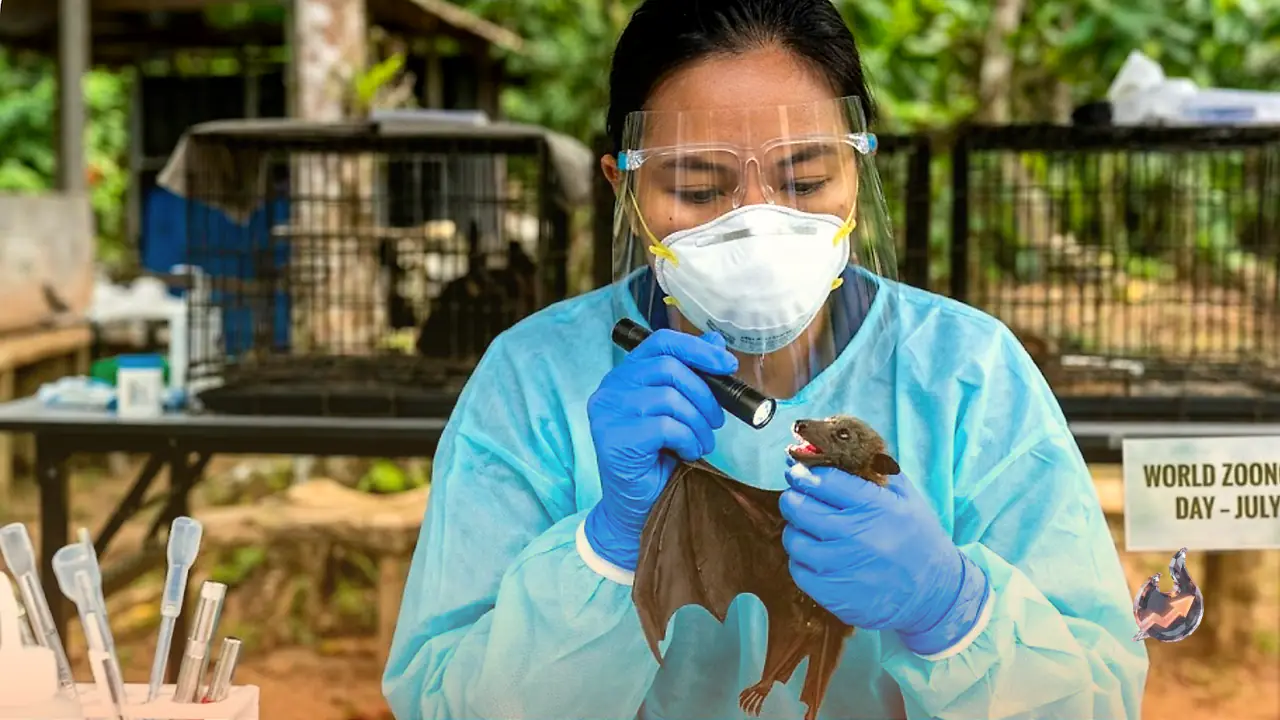

Every year on July 6, health experts around the world observe World Zoonoses Day, a reminder that many infections which start in animals can spill over into humans and turn into serious public health threats. The COVID-19 pandemic drove that lesson home in recent years, showing how quickly an infection dismissed as minor can spiral into a global crisis. That is why doctors and public health experts use this day to urge people to stay alert about animal borne diseases and take precautions before an outbreak takes hold.
How infections travel from animals to humans
Diseases that originate in animals and later spread to people are known as zoonotic diseases, and they can jump across species in more than one way. A person can fall sick through direct contact with an infected animal, through a bite or a scratch, through insects such as mosquitoes and ticks that carry the pathogen, by consuming contaminated food or water, or simply by being exposed to a contaminated environment. This is exactly why animal health and human health cannot be treated as separate issues, since the two are so closely linked.
The 1885 breakthrough behind the July 6 date
The choice of July 6 traces back to a landmark moment in medical history. On July 6, 1885, the renowned scientist Louis Pasteur successfully administered the rabies vaccine to an infected child for the very first time, saving the child's life. World Zoonoses Day is observed on this date every year to commemorate that achievement and to remind people of the importance of vaccination and staying protected against such infections.
Five diseases that can turn deadly once they jump from animals
Rabies remains the best known of all zoonotic diseases, typically passed on to humans through the bite of an infected dog or other animal. Bird flu, the Nipah virus, Ebola and Lassa fever also fall in the same category, and each of them can cause anything from severe fever to life threatening infection. Bovine tuberculosis, found in cattle, is another disease on this list. According to health experts, a significant share of infectious diseases circulating around the world can be traced back to animals in some form, and several of these illnesses can turn fatal if treatment is delayed. That is precisely why staying informed and cautious about them is considered so important.
How to protect yourself and your family
Experts recommend a few simple but essential precautions to guard against these infections.
- Get pets vaccinated on a regular schedule.
- See a doctor immediately if bitten or scratched by an animal.
- Eat meat, eggs and milk only after they are thoroughly cooked.
- Wash your hands well with soap after touching or caring for animals.
- Stay away from sick or dead wild animals.
- Seek medical advice right away if you notice fever, weakness or any unusual signs of infection.